• HOME
  • NEWS
  • EXPLORE
    • CAREER
      • Companies
      • Jobs
    • EVENTS
    • iGEM
      • News
      • Team
    • PHOTOS
    • VIDEO
    • WIKI
  • BLOG
  • COMMUNITY
    • FACEBOOK
    • INSTAGRAM
    • TWITTER
Thursday, October 29, 2026
BIOENGINEER.ORG
No Result
View All Result
  • Login
  • HOME
  • NEWS
  • EXPLORE
    • CAREER
      • Companies
      • Jobs
        • Lecturer
        • PhD Studentship
        • Postdoc
        • Research Assistant
    • EVENTS
    • iGEM
      • News
      • Team
    • PHOTOS
    • VIDEO
    • WIKI
  • BLOG
  • COMMUNITY
    • FACEBOOK
    • INSTAGRAM
    • TWITTER
No Result
View All Result
Bioengineer.org
No Result
View All Result
Home NEWS Science News Agriculture

Scoping review maps how spider plant is used across Sub-Saharan Africa

by
October 29, 2026
in Agriculture
Reading Time: 2 mins read
0
Scoping review maps how spider plant is used across Sub-Saharan Africa

Scoping review maps how spider plant is used across Sub-Saharan Africa

Share on FacebookShare on TwitterShare on LinkedinShare on RedditShare on Telegram

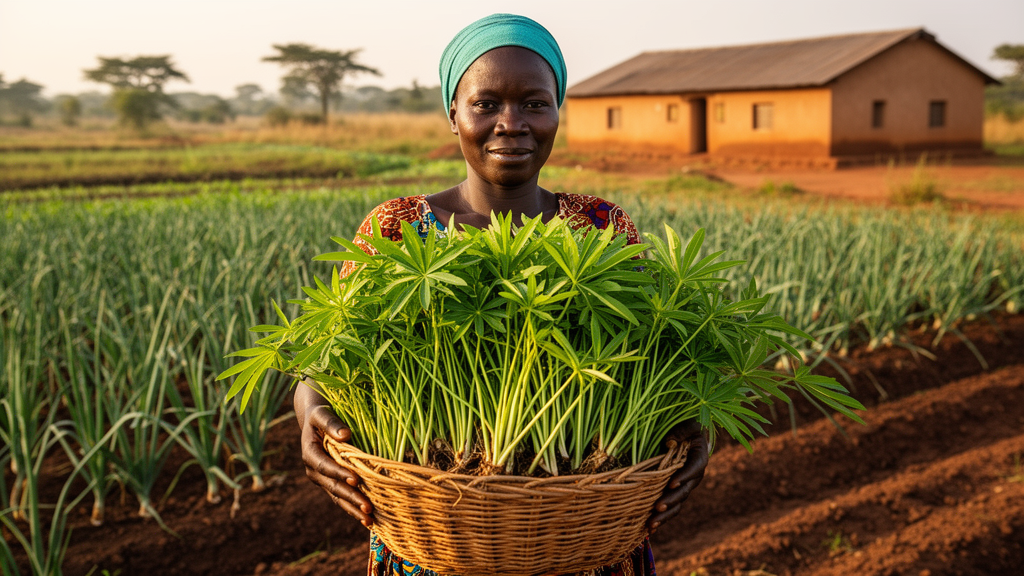
Spider plant (Cleome gynandra L.), an indigenous leafy vegetable widely consumed across Sub-Saharan Africa, has been systematically neglected in agriculture and food systems despite its adaptability to harsh environments and its nutritional benefits, according to a scoping review published on 28 October 2026 in the journal Discover Food.

The review, led by Maanea Lonia Ramphinwa with colleagues including Bono Nethathe, Selekane Ananias Motadi and Mpho Edward Mashau, identified and synthesised existing literature on spider plant use in the region, focusing on its cultivation, consumption, nutritional value, processing, value addition and associated challenges. The authors conducted a comprehensive literature search using major electronic databases, including Scopus, Web of Science, PubMed, ScienceDirect and Google Scholar.

According to the review, the spider plant is widely used across many Sub-Saharan African countries both as an indigenous leafy vegetable and as a medicinal plant. The crop is reported to contain high levels of protein, dietary fibre, vitamins A, C and E, important minerals including iron, calcium, zinc and magnesium, and antioxidants.

The authors conclude that the crop is of great significance in promoting dietary diversity, micronutrient intake and household food security, and that it holds enormous potential for nutrition security and sustainable agriculture in Sub-Saharan Africa. As a scoping review, the study synthesises previously published research rather than presenting new experimental findings, and its conclusions reflect the scope of the literature it identified.

Looking ahead, the review states that future studies should explore the use of spider plant for biological fortification of various food products to enhance their nutritional quality and functional properties. The article is published open access, and the version shared at publication is a peer-reviewed, accepted manuscript that remains subject to further editorial edits before the final Version of Record.

Subject of Research: Use of the indigenous leafy vegetable spider plant (Cleome gynandra) in Sub-Saharan Africa

Article Title: Utilisation of spider plant (Cleome gynandra L.) in Sub-Saharan Africa: a scoping review

Article References: Ramphinwa, M. L., Nethathe, B., Motadi, S. A., Thovhogi, F., Ogola, J. B. O., Matlakala, F. K., & Mashau, M. E. (2026). Utilisation of spider plant (Cleome gynandra L.) in Sub-Saharan Africa: a scoping review. Discover Food. https://doi.org/10.1007/s44187-026-01324-x

Image Credits: AI Generated

DOI: 10.1007/s44187-026-01324-x

Keywords: spider plant, Cleome gynandra, Sub-Saharan Africa, indigenous vegetables, scoping review, nutrition security, food security, micronutrients, dietary diversity, sustainable agriculture, Utilisation, spider

News Source: Daisy Hatcher. (October 29, 2026). Scoping review maps how spider plant is used across Sub-Saharan Africa. Scienmag.

Tags: Cleome gynandradietary diversityfood securityindigenous vegetablesMicronutrientsnutrition securityscoping reviewspiderspider plantSub-Saharan AfricaSustainable Agricultureutilisation
Share12Tweet7Share2ShareShareShare1

Related Posts

AI Model Forecasts Avian Influenza Outbreak Risk Across Canada

AI Model Forecasts Avian Influenza Outbreak Risk Across Canada

October 29, 2026
Olive Bark Beetle Discovered in Czech Republic Raises Fears of a Central European Spread

Olive Bark Beetle Discovered in Czech Republic Raises Fears of a Central European Spread

October 29, 2026

Electronic sensors and GC–MS reveal optimal roasting conditions for white and black sesame seeds

October 29, 2026

Stage-Specific Genes Shape Milk Urea Nitrogen Across Lactation in Iranian Holsteins

October 29, 2026

POPULAR NEWS

  • Acid-loving bacteria strip methane in hot biotrickling filters for 700 days

    Acid-loving bacteria strip methane in hot biotrickling filters for 700 days

    29 shares
    Share 12 Tweet 7
  • Early Mitochondrial Changes Emerge Before Disease in Arrhythmogenic Cardiomyopathy Model

    29 shares
    Share 12 Tweet 7
  • Optogenetics offers a precise window into neural circuits behind neurodegenerative disease

    29 shares
    Share 12 Tweet 7
  • Olive Bark Beetle Discovered in Czech Republic Raises Fears of a Central European Spread

    29 shares
    Share 12 Tweet 7

About

We bring you the latest biotechnology news from best research centers and universities around the world. Check our website.

Follow us

Recent News

Emerging Neuroscientists Map Body, Brain and Behaviour Across the Lifespan

Digital Twin Falls Short: Physics-Based Blood Pressure Model Fails Rigorous Stress Test

Astragaloside IV Improves Cognition After Brain Injury in Mice, Study Finds

Subscribe to Blog via Email

Enter your email address to subscribe to this blog and receive notifications of new posts by email.

Join 84 other subscribers
  • Contact Us

Bioengineer.org © Copyright 2023 All Rights Reserved.

Welcome Back!

Login to your account below

Forgotten Password?

Retrieve your password

Please enter your username or email address to reset your password.

Log In
No Result
View All Result
  • Homepages
    • Home Page 1
    • Home Page 2
  • News
  • National
  • Business
  • Health
  • Lifestyle
  • Science

Bioengineer.org © Copyright 2023 All Rights Reserved.