• HOME
  • NEWS
  • EXPLORE
    • CAREER
      • Companies
      • Jobs
    • EVENTS
    • iGEM
      • News
      • Team
    • PHOTOS
    • VIDEO
    • WIKI
  • BLOG
  • COMMUNITY
    • FACEBOOK
    • INSTAGRAM
    • TWITTER
Thursday, June 18, 2026
BIOENGINEER.ORG
No Result
View All Result
  • Login
  • HOME
  • NEWS
  • EXPLORE
    • CAREER
      • Companies
      • Jobs
        • Lecturer
        • PhD Studentship
        • Postdoc
        • Research Assistant
    • EVENTS
    • iGEM
      • News
      • Team
    • PHOTOS
    • VIDEO
    • WIKI
  • BLOG
  • COMMUNITY
    • FACEBOOK
    • INSTAGRAM
    • TWITTER
  • HOME
  • NEWS
  • EXPLORE
    • CAREER
      • Companies
      • Jobs
        • Lecturer
        • PhD Studentship
        • Postdoc
        • Research Assistant
    • EVENTS
    • iGEM
      • News
      • Team
    • PHOTOS
    • VIDEO
    • WIKI
  • BLOG
  • COMMUNITY
    • FACEBOOK
    • INSTAGRAM
    • TWITTER
No Result
View All Result
Bioengineer.org
No Result
View All Result
Home NEWS Science News Biology

Ultra-absorptive nanofiber swabs could improve SARS-CoV-2 test sensitivity

Bioengineer by Bioengineer
January 27, 2021
in Biology
Reading Time: 3 mins read
0
IMAGE
Share on FacebookShare on TwitterShare on LinkedinShare on RedditShare on Telegram

IMAGE

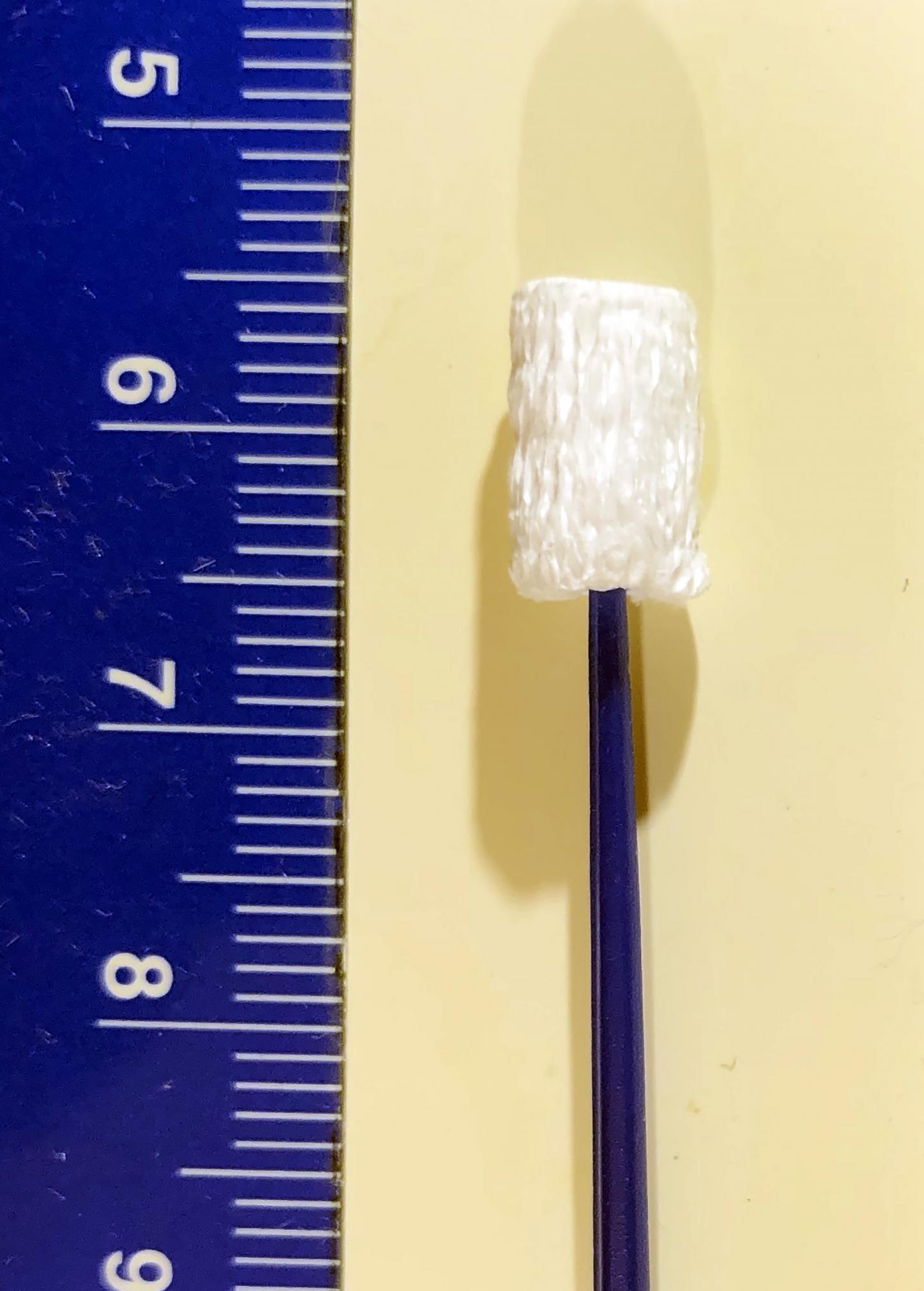
Credit: Adapted from Nano Letters 2021, DOI: 10.1021/acs.nanolett.0c04956

Rapid, sensitive diagnosis of COVID-19 is essential for early treatment, contact tracing and reducing viral spread. However, some people infected with SARS-CoV-2 receive false-negative test results, which might put their and others’ health at risk. Now, researchers reporting in ACS’ Nano Letters have developed ultra-absorptive nanofiber swabs that could reduce the number of false-negative tests by improving sample collection and test sensitivity.

Currently, the most sensitive test for COVID-19 involves using a long swab to collect a specimen from deep inside a patient’s nose, and then using a method called reverse transcriptase-polymerase chain reaction (RT-PCR) to detect SARS-CoV-2 RNA. But if the viral load is low, which can occur early in the course of infection, the swab might not pick up enough virus to be detectable. Jingwei Xie and colleagues wanted to develop a nanofiber swab that could absorb and then release more viruses and other biological specimens, improving the sensitivity of diagnostic tests.

The researchers used an electrospinning technique to make 1-cm-long cylinders composed of aligned nanofiber layers, which they coated with a thin layer of gelatin and bonded to plastic swab sticks. In lab tests, the porous nanofiber cylinders absorbed and released more proteins, cells, bacteria, DNA and viruses from liquids and surfaces than the cotton or flocked swabs commonly used for COVID-19 testing. The team made dilutions of SARS-CoV-2 virus, swabbed the liquid samples and tested for viral RNA with RT-PCR. Compared with the two other types of swabs, the nanofiber ones reduced the false-negative rate and detected SARS-CoV-2 at a 10-times lower concentration. In addition to allowing more accurate and sensitive COVID-19 testing, the nanofiber swabs have far-reaching potential in diagnosing other diseases, testing for foodborne illnesses and helping forensic teams identify crime suspects from miniscule biological specimens, the researchers say.

###

The authors acknowledge funding from the University of Nebraska Medical Center (UNMC), the National Institute of General Medical Sciences and the UNMC College of Medicine COVID-19 Rapid Response Grants.

The paper’s abstract will be available on January 27 at 8 a.m. Eastern time here: http://pubs.acs.org/doi/abs/10.1021/acs.nanolett.0c04956

The American Chemical Society (ACS) is a nonprofit organization chartered by the U.S. Congress. ACS’ mission is to advance the broader chemistry enterprise and its practitioners for the benefit of Earth and its people. The Society is a global leader in providing access to chemistry-related information and research through its multiple research solutions, peer-reviewed journals, scientific conferences, eBooks and weekly news periodical Chemical & Engineering News. ACS journals are among the most cited, most trusted and most read within the scientific literature; however, ACS itself does not conduct chemical research. As a specialist in scientific information solutions (including SciFinder® and STN®), its CAS division powers global research, discovery and innovation. ACS’ main offices are in Washington, D.C., and Columbus, Ohio.

To automatically receive news releases from the American Chemical Society, contact [email protected].

Follow us: Twitter | Facebook

Media Contact
Katie Cottingham
[email protected]

Tags: BiotechnologyChemistry/Physics/Materials SciencesDiagnosticsInfectious/Emerging DiseasesNanotechnology/MicromachinesVirology
Share12Tweet8Share2ShareShareShare2

Related Posts

New Study Seeks to Prolong Immune System Longevity — Biology

New Study Seeks to Prolong Immune System Longevity

June 18, 2026
Great Apes Display Individual Thinking Styles Similar to Humans, Study Finds — Biology

Great Apes Display Individual Thinking Styles Similar to Humans, Study Finds

June 17, 2026

Scientists Awarded $4 Million to Enhance Endangered Species Management on Military Lands

June 17, 2026

New Study Reveals Ebola Virus Persistence in the Central Nervous System, Led by Mount Sinai Microbiologists

June 17, 2026
Please login to join discussion

POPULAR NEWS

  • ESMO 2025: mRNA COVID Vaccines Enhance Efficacy of Cancer Immunotherapy

    326 shares
    Share 130 Tweet 82
  • Saying Goodbye to PGY-6: Pediatric Fellowship Realities

    102 shares
    Share 41 Tweet 26
  • Multi-Hospital Study Reveals Long Covid Burden Is Twice as High as Current Estimates

    92 shares
    Share 36 Tweet 23
  • Detection of EDCs in Breast Milk and Infant Urine Up to Six Months Highlights Early Exposure Risks

    76 shares
    Share 30 Tweet 19

About

We bring you the latest biotechnology news from best research centers and universities around the world. Check our website.

Follow us

Recent News

Confined Migration Causes DNA Damage in Neurons

Multimodal Multitask AI Transforms Lung Cancer Grading

New Study Seeks to Prolong Immune System Longevity

Subscribe to Blog via Email

Enter your email address to subscribe to this blog and receive notifications of new posts by email.

Join 82 other subscribers
  • Contact Us

Bioengineer.org © Copyright 2023 All Rights Reserved.

Welcome Back!

Login to your account below

Forgotten Password?

Retrieve your password

Please enter your username or email address to reset your password.

Log In
No Result
View All Result
  • Homepages
    • Home Page 1
    • Home Page 2
  • News
  • National
  • Business
  • Health
  • Lifestyle
  • Science

Bioengineer.org © Copyright 2023 All Rights Reserved.