Transcription constitutes the foundational step in governing gene expression, defining cellular identity and dictating functional responses across eukaryotic organisms. In eukaryotic systems, three distinct RNA polymerases carry out the synthesis of specialized transcripts from genomic templates, with RNA polymerase I and III generating ribosomal RNA and transfer RNA, while RNA polymerase II synthesizes messenger RNA alongside various non-coding regulatory RNAs. Because messenger RNA abundance governs shifting cell states during embryonic development and lineage differentiation, its expression requires precise, continuous calibration. This regulation takes place across two primary classes of genomic sequence elements: promoters positioned in close proximity to the transcription start site, and remote enhancers situated kilobases or megabases upstream or downstream. Both classes of regulatory elements recruit transcription factors and auxiliary cofactors that together guide the assembly and enzymatic competence of the RNA polymerase II machinery. For decades, the dominant paradigm held that spatial and temporal gene control rested strictly upon sequence-specific DNA-binding domains recognizing explicit promoter and enhancer motifs to trigger transactivation. However, mounting biochemical and genomic observations challenge this simplified framework, revealing that transcription factors operate through far more multifaceted mechanisms involving disordered structural segments, dynamic cooperative interactions, and functional uncoupling from active transcription.
To contextualize how regulatory factors interface with the genome, researchers first examine the stepwise biochemical assembly that prepares core promoters for RNA synthesis. Core promoters flank the transcription start site and bind general transcription factors alongside sequence-specific regulators to construct a multiprotein preinitiation complex. Historically isolated via nuclear extract fractionation, general transcription factors are ubiquitous proteins indispensable for RNA polymerase II engagement in vitro. Canonical preinitiation complex assembly initiates when transcription factor II D binds the core promoter, nucleated by its TATA-binding protein subunit docking onto the TATA box located twenty-five to thirty-five base pairs upstream of the transcription start site. This initial interaction is subsequently stabilized by transcription factor II A and transcription factor II B, which permit the recruitment of RNA polymerase II joined by transcription factor II F, followed by the incorporation of transcription factor II E and transcription factor II H. Within transcription factor II H, the catalytic XPB subunit functions as an ATP-dependent translocase that unwinds downstream DNA to generate torsional tension and establish the transcription bubble, while the associated CDK7 kinase phosphorylates serine 5 of the RNA polymerase II carboxy-terminal domain to initiate nascent RNA synthesis. Although the TATA box remains a standard pedagogical archetype, approximately seventy-six percent of human promoters lack this sequence motif, relying instead on alternate TBP-associated factors within transcription factor II D that recognize elements such as the Initiator motif or downstream G-rich distal sequence elements.
The structural units responsible for sequence recognition, termed DNA-binding domains, present specialized amino acid side chains that insert into the helical grooves of DNA to form base-specific hydrogen bonds and electrostatic contacts with the phosphate backbone. In prokaryotes, individual transcription factors typically display very high intrinsic affinity for rigid operator targets, exhibiting dissociation constants near ten to the minus twelfth molar, as exemplified by the lac repressor and catabolite activator protein in the Escherichia coli lac operon. In contrast, eukaryotic transcription factors generally recognize shorter target sequences with substantially weaker affinities, relying on combinatorial cooperativity to achieve functional specificity across complex genomes. Eukaryotic DNA-binding domains belong to distinct evolutionary structural families, including zinc finger proteins, nuclear hormone receptors, high mobility group domain proteins, homeodomain factors, basic helix-loop-helix proteins, and basic leucine zipper proteins. Residues within these domains mediate contacts within the major or minor grooves and direct homo- or heterodimerization. Classical in vitro methodologies, including electrophoretic mobility shift assays, deoxyribonuclease footprinting, systematic evolution of ligands by exponential enrichment, X-ray crystallography, cryogenic electron microscopy, and nuclear magnetic resonance spectroscopy, established that isolated DNA-binding domains suffice to identify consensus motifs in solution, facilitating predictive computational approaches utilizing hidden Markov models and deep learning architectures.
Despite the predictive power of in vitro binding assays, whole-genome mapping techniques demonstrate that isolated DNA-binding properties correlate only partially with in vivo occupancy. High-resolution profiling through chromatin immunoprecipitation sequencing, cleavage under targets and release using nuclease, and chromatin endonuclease cleavage sequencing reveals that transcription factors associate with a much wider spectrum of degenerate sequences than predicted by in vitro consensus models. Concurrently, only a minor fraction of idealized consensus sites scattered across the genome are occupied at any given time, indicating that intrinsic sequence recognition cannot alone explain genomic targeting. Genomic DNA in vivo is packaged into nucleosomal arrays and higher-order heterochromatin structures that physically occlude target motifs, restricting factor accessibility primarily to regions of open chromatin. Furthermore, even factors capable of recognizing nucleosomal targets occupy only a subset of their high-affinity sequences. Strikingly, mutational analyses across diverse transcription factors in yeast indicate that deleting DNA-binding domains impairs binding, yet many mutant proteins still localize to their principal genomic targets. Conversely, truncating the intrinsically disordered regions of these regulatory proteins triggers a far more severe loss of target specificity in vivo, demonstrating that non-structured protein segments actively dictate intracellular genomic localization independently of direct sequence-specific contacts.
Beyond sequence localization, transcription factors require functional regions known as effector domains to execute transcriptional changes. Classical domain-swapping investigations pioneered on the yeast GAL4 activator demonstrated that deleting specific segments outside the DNA-binding domain eliminated transcriptional activation, while fusing these regulatory segments to heterologous DNA-binding units restored transcriptional output. Early randomized peptide selection experiments revealed that approximately one percent of random amino acid sequences could drive transcription, identifying acidic patches as central drivers of activation, whereas basic, positively charged sequences were associated with transcriptional repression. Unlike folded catalytic domains, activation domains lack fixed secondary structure in isolation and are enriched in acidic residues interspersed with bulky hydrophobic amino acids, including tryptophan, phenylalanine, tyrosine, and leucine, alongside polyglutamine stretches. These intrinsically disordered regions undergo disordered-to-ordered transitions or engage in fuzzy multivalent binding upon contacting positively charged target interfaces on coactivators. In transcriptional repressors, disordered regions frequently harbor compact short linear motifs spanning three to ten amino acids, such as the PxDLS motif in Snail that binds the CtBP corepressor or the WRPW motif in Hairy factors that recruits Groucho. Interestingly, numerous transcription factors contain bifunctional effector domains capable of alternating between activation and repression depending on post-translational modifications, such as the phosphorylation of JUN by Jun-N-terminal-kinase, which alters local charge and promotes dissociation from repressive histone deacetylase 3 or nucleosome remodeling complexes.
Intrinsically disordered regions represent a dominant structural feature of eukaryotic transcriptional regulators, encompassing up to sixty-two percent of transcription factor coding sequences, compared to only five percent in prokaryotic factors and twenty percent in general eukaryotic proteins. In eukaryotic transcription factors, disordered regions average one hundred and sixty amino acids but can extend up to six hundred residues in length, lacking conventional tertiary packing. Because these segments possess high proportions of charged and polar residues, they resist hydrophobic collapse, remaining solvent-exposed and highly flexible to engage multiple transcriptional binding partners simultaneously. Due to their multivalent interaction capacity, disordered regions have been implicated in facilitating liquid-liquid phase separation, wherein high local concentrations of transcription factors such as OCT4 or GCN4, alongside coactivators like MED1 and BRD4, assemble into biomolecular condensates or transcriptional hubs. While the physiological relevance of phase separation remains actively debated because many condensate assays employ non-physiological conditions in vitro or rely on chemical disruptors like hexanediol, imaging in living cells confirms that disordered domains promote localized protein clustering. Functionally, these disordered segments support a two-step target search model wherein disordered regions first guide the factor to permissive transcriptional complexes or open chromatin hubs through weak multivalent interactions, after which the DNA-binding domain engages its cognate motif.
To orchestrate developmental gene expression across vast genomic landscapes, transcription factors bind distal regulatory enhancers located thousands to millions of base pairs from regulated promoters. Enhancers operate in an orientation-independent and position-independent manner, integrating diverse signaling cascades to control tissue-specific transcription. Classic mechanistic frameworks explained long-range action through direct physical DNA looping or facilitated factor tracking along chromatin fibers. However, recent super-resolution and single-molecule imaging studies reveal that transcriptional activation does not consistently correlate with sustained physical proximity between promoters and enhancers. In Drosophila embryos, single enhancers can simultaneously stimulate multiple promoters in opposing directions, challenging simple loop architectures. Instead, enhancers appear to nucleate dense multicomponent transcription hubs that concentrate RNA polymerase II, general transcription factors, and the Mediator complex, generating a permissive local microenvironment that fuels transcription at linked promoters. Enhancers consist of clusters containing three to fifty distinct transcription factor binding sites, with synthetic reconstitution experiments indicating that at least ten clustered motifs are typically required to sustain enhancer activity. Large super-enhancers assemble high-density cooperativity, exhibiting architectures that range from rigid stereospecific enhanceosomes, such as the interferon-beta enhancer, to flexible regulatory ensembles that rely on collective disordered-domain synergy rather than fixed motif spacing.
Combinatorial control and cooperativity allow regulatory circuits to overcome activation thresholds and convert graded signaling inputs into sharp biological switches. Dimerization provides a widespread mechanism for expanding regulatory specificity, as observed among basic leucine zipper family members where monomeric partners recognize distinct DNA half-sites. For instance, JUN and FOS assemble the AP-1 heterodimer to bind standard TPA-response elements, whereas JUN paired with ATF or CREB family proteins recognizes cyclic AMP response elements. Developmental pluripotency networks in mammalian embryonic stem cells rely heavily on cooperative ensembles formed by SOX2, OCT4, and NANOG, which co-occupy thousands of genomic loci. SOX2 and OCT4 cooperatively engage composite DNA sequences to drive stem cell renewal, while ESRRB cooperates with NANOG to regulate early blastocyst plasticity. Cooperativity operates not only through physical protein-protein interfaces over adjacent motifs, as classically documented in bacteriophage lambda repressor systems, but also through multivalent disordered contacts that coalesce transcription factors within shared regulatory hubs. Nonetheless, systematic mapping in model organisms such as yeast demonstrates that combinatorial factor binding does not universally generate biochemical synergy, revealing that true cooperative activation is restricted to select evolutionary factor pairings.
Because genomic DNA is packaged into nucleosomes, transcription factors must overcome profound physical barriers to reach their binding sites. The basic repeating unit of chromatin, the nucleosome, consists of approximately one hundred and forty-seven base pairs of DNA wrapped in two superhelical turns around a histone octamer containing two copies each of H2A, H2B, H3, and H4, sealed externally by linker histones H1 or H5. Active chromatin is enriched in post-translational histone modifications that maintain an accessible state, including histone H3 and H4 acetylation, H3K4me1, and H3K27ac at enhancers, as well as H3K4me3 at active promoters. Conversely, condensed heterochromatin is demarcated by repressive marks, with constitutive heterochromatin marked by H3K9me2/3 deposited by enzymes such as SUV39H1/2 and bound by heterochromatin protein 1, while facultative heterochromatin is marked by Polycomb-mediated H3K27me3 and H2AK119 monoubiquitination. To access compacted chromatin, specialized pioneer transcription factors bind nucleosomal DNA targets directly, frequently docking at nucleosomal entry-exit sites to distort the DNA helix and promote unwrapping. Pioneer factors then recruit ATP-dependent chromatin-remodeling machines belonging to the SWI/SNF, ISWI, CHD, and INO80 families to evict or slide nucleosomes, while recruiting histone acetyltransferases such as p300/CBP to establish open euchromatic domains. Importantly, pioneer activity frequently requires intrinsically disordered regions, which participate in displacing linker histone H1 and recruiting remodeling machineries.
Accumulating evidence reveals that transcription factor occupancy can become entirely uncoupled from immediate transcription, functioning instead to support cellular plasticity and epigenetic memory. During early embryonic development and stem cell maintenance, factors such as OCT4, SOX2, and ESRRB remain stably bound at inactive enhancers that govern future differentiation lineages. These regulatory elements are maintained in a poised, accessible chromatin state bearing activating marks alongside low levels of repressive modifications, priming the underlying loci for future induction without producing mature messenger RNA. In ventral foregut stem cells, FOXA1 and HHEX similarly prime developmental enhancers to license subsequent hepatic and pancreatic differentiation programs. This bookmarking preserves transcriptional potential through DNA replication and enables rapid dedifferentiation or regenerative reprogramming upon exposure to extracellular signaling cues, such as the fibroblast growth factor and MAPK/ERK pathways. Signal transduction alters this poised state by triggering post-translational modifications across transcription factor disordered domains and recruiting the multisubunit Mediator complex, converting static competence platforms into highly active transcription hubs. Mediator subunits, including MED14 and the MED23, MED24, and MED25 tail modules, interface directly with transcription factor disordered regions, while its head module engages RNA polymerase II, orchestrating enhancer-promoter communication.
Following preinitiation complex formation and promoter escape, transcription activation frequently converges on the release of promoter-proximally paused RNA polymerase II. After synthesizing a short nascent transcript of twenty-five to fifty nucleotides, the polymerase arrests due to the binding of negative elongation factor and DRB sensitivity-inducing factor. Promoter-proximal pausing provides a responsive checkpoint for rapid gene activation during developmental transitions and environmental stress responses. Release into productive elongation requires the positive transcription elongation factor b, which phosphorylates negative elongation factor, inducing its dissociation, while simultaneously phosphorylating DRB sensitivity-inducing factor and serine 2 of the RNA polymerase II carboxy-terminal domain. Signaling cascades directly modulate this release; for example, active ERK phosphorylates the NELF-A subunit, while the CDK8 kinase module of the Mediator complex recruits positive transcription elongation factor b to paused promoters. Synthesizing these multifaceted observations indicates that eukaryotic transcription factors execute two distinct binding regimes across the genome: first, high-affinity sequence recognition at consensus sites that primes chromatin and establishes competence, and second, signal-induced recruitment through intrinsically disordered regions into active transcription hubs to drive robust transcript synthesis. Resolving how disordered grammar governs these processes will require emerging locus-resolved approaches, including single-particle tracking, locus-specific proteomics, and synthetic regulatory engineering.
Subject of Research: Mechanisms of eukaryotic transcription factor function beyond DNA binding and transactivation
Article Title: A transcription factor by any other name – function beyond DNA binding and transactivation
Article References: Schuh, C. M., & Brickman, J. M. (2026). A transcription factor by any other name – function beyond DNA binding and transactivation. EMBO Reports, 27(19), 5429-5448. https://doi.org/10.1038/s44319-026-00893-3
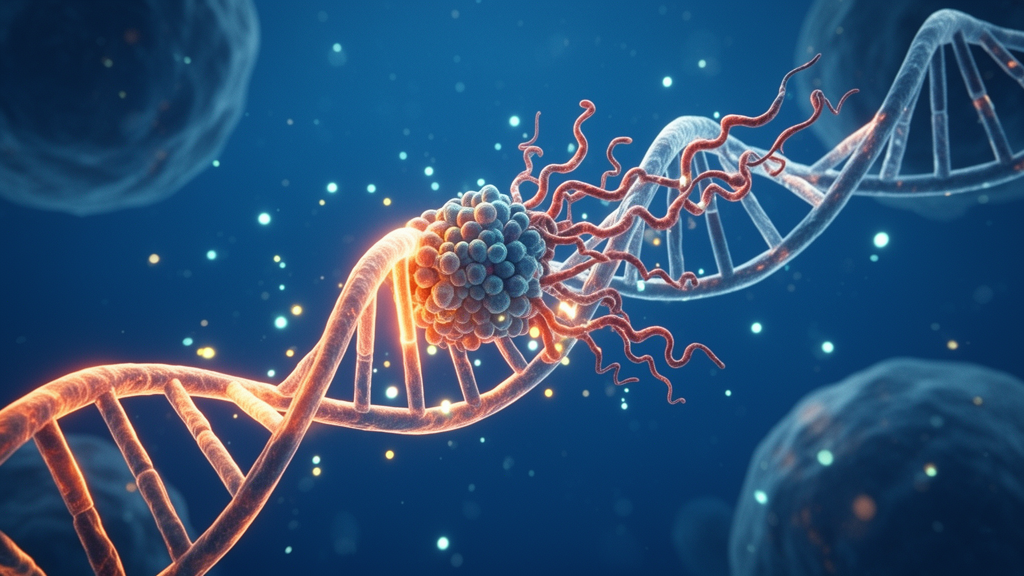
Image Credits: AI Generated
DOI: 10.1038/s44319-026-00893-3
Keywords: transcription factors, gene expression, intrinsically disordered regions, RNA polymerase II, preinitiation complex, enhancers, chromatin remodeling, pioneer factors, promoter-proximal pausing, Mediator complex, epigenetics, cellular plasticity, transcriptional hubs, post-translational modifications, developmental biology, molecular biology, enhanceosome
News Source: Drew Townsend. (November 14, 2026). Transcription Factors Rely on Disordered Regions Beyond Classical DNA Binding. Scienmag.