• HOME
  • NEWS
  • EXPLORE
    • CAREER
      • Companies
      • Jobs
    • EVENTS
    • iGEM
      • News
      • Team
    • PHOTOS
    • VIDEO
    • WIKI
  • BLOG
  • COMMUNITY
    • FACEBOOK
    • INSTAGRAM
    • TWITTER
Friday, November 6, 2026
BIOENGINEER.ORG
No Result
View All Result
  • Login
  • HOME
  • NEWS
  • EXPLORE
    • CAREER
      • Companies
      • Jobs
        • Lecturer
        • PhD Studentship
        • Postdoc
        • Research Assistant
    • EVENTS
    • iGEM
      • News
      • Team
    • PHOTOS
    • VIDEO
    • WIKI
  • BLOG
  • COMMUNITY
    • FACEBOOK
    • INSTAGRAM
    • TWITTER
No Result
View All Result
Bioengineer.org
No Result
View All Result
Home NEWS Science News Health

Three ER Stress Genes Flagged as Candidate Biomarkers for Heart Muscle Disease

by
November 6, 2026
in Health
Reading Time: 2 mins read
0
Three ER Stress Genes Flagged as Candidate Biomarkers for Heart Muscle Disease

Three ER Stress Genes Flagged as Candidate Biomarkers for Heart Muscle Disease

Share on FacebookShare on TwitterShare on LinkedinShare on RedditShare on Telegram

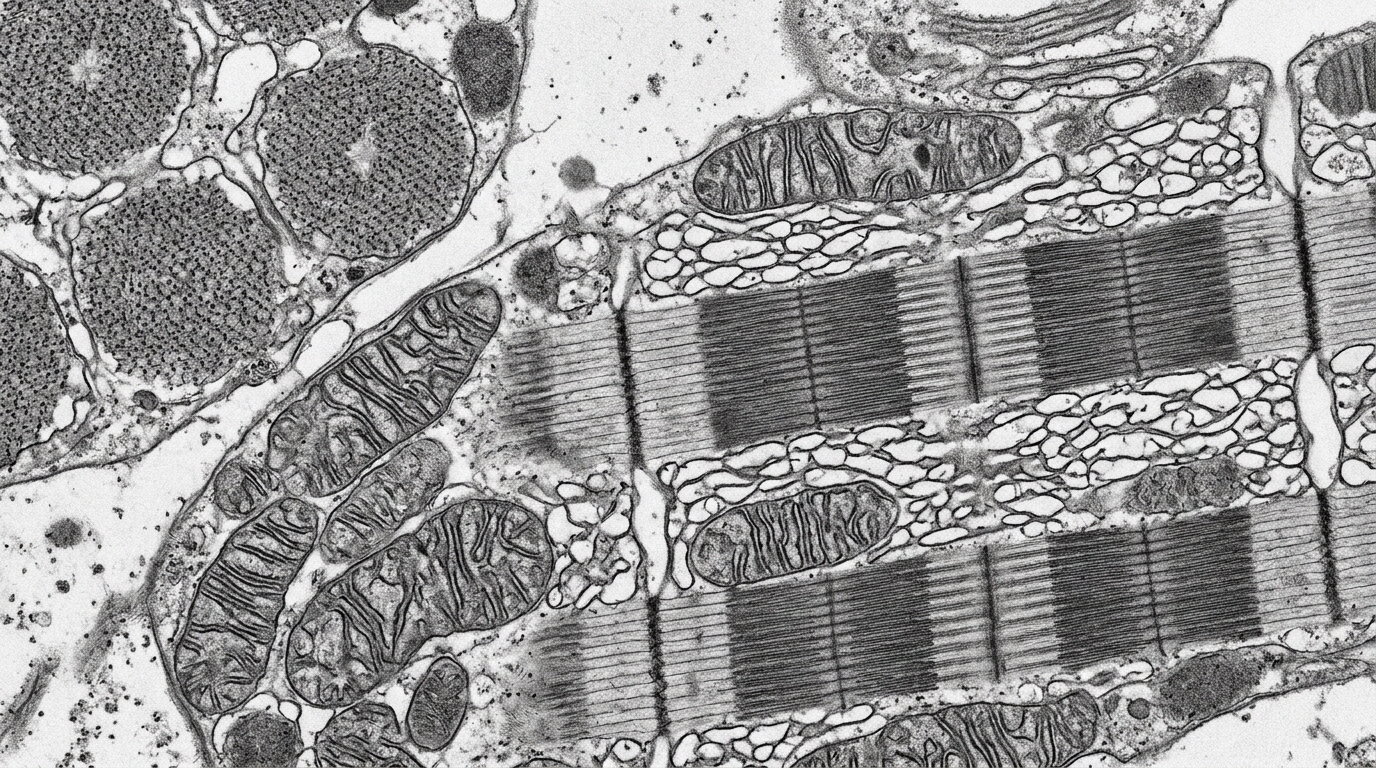
Researchers have identified three genes linked to endoplasmic reticulum stress that may serve as candidate feature genes in hypertrophic cardiomyopathy, a condition in which the heart muscle thickens and can impair heart function.

Endoplasmic reticulum stress is a cellular mechanism that helps maintain homeostasis, and it has been implicated in the development of hypertrophic cardiomyopathy. The research team set out to find genes connected to both this stress response and the disease itself, hoping to offer new perspectives and potential targets for future heart disease treatments.

From this pipeline, three genes emerged: FKBP5, MYH6 and PROS1. The team also built a transcriptomic classification nomogram based on these genes, which showed favorable internal apparent performance with an area under the curve of 0.974.

Beyond gene selection, the study examined the immune landscape of the disease. Using the CIBERSORT algorithm, the researchers calculated the proportions of infiltrating immune cells and found that eight types of immune cells were significantly changed in hypertrophic cardiomyopathy. Monocytes showed a significant correlation with both FKBP5 and PROS1.

Single-cell RNA-sequencing analysis added another layer of detail, revealing that PROS1 was localized to cardiomyocytes within myocardial specimens from patients with the condition. This localization suggests the gene’s expression pattern within the heart muscle itself rather than in infiltrating cell populations.

The expression trends of MYH6 and PROS1 in this model were consistent with the results of the bioinformatics analysis, providing experimental support for the computational findings.

According to the authors, the study identified three endoplasmic reticulum stress-associated candidate feature genes in hypertrophic cardiomyopathy that showed a significant correlation with immune cells. They state that the findings provide a theoretical basis and reference value for exploring the relationship between the disease, ER stress and immunity.

As with any bioinformatics-driven study, the diagnostic model’s reported performance reflects internal validation, and the experimental verification was conducted in a cell model of induced hypertrophy rather than in patients. The authors describe the identified genes as candidate feature genes, positioning the work as a foundation for further research into how endoplasmic reticulum stress and immune activity intersect in this heart muscle disease.

Subject of Research: Identification of endoplasmic reticulum stress-related feature genes in hypertrophic cardiomyopathy using bioinformatics and experimental verification.

Article Title: Selection of endoplasmic reticulum stress-related feature genes in hypertrophic cardiomyopathy based on bioinformatics analysis and experimental verification

Article References: Tian, Z., Zhao, F., Mou, H., Wei, X., & Wang, Y. (2026). Selection of endoplasmic reticulum stress-related feature genes in hypertrophic cardiomyopathy based on bioinformatics analysis and experimental verification. BMC Medical Genomics. https://doi.org/10.1186/s12920-026-02507-2

Image Credits: AI Generated

DOI: 10.1186/s12920-026-02507-2

Keywords: hypertrophic cardiomyopathy, endoplasmic reticulum stress, FKBP5, MYH6, PROS1, bioinformatics, WGCNA, machine learning, CIBERSORT, single-cell RNA sequencing, RT-qPCR, nomogram

News Source: Juliet Wilcox. (November 6, 2026). Three ER Stress Genes Flagged as Candidate Biomarkers for Heart Muscle Disease. Scienmag.

Tags: BioinformaticsCIBERSORTendoplasmic reticulum stressFKBP5hypertrophic cardiomyopathyMachine LearningMYH6nomogramPROS1RT-qPCRsingle-cell RNA sequencingWGCNA
Share12Tweet7Share2ShareShareShare1

Related Posts

Liensinine targets ATG9B to curb autophagy dysfunction in PCOS models

Liensinine targets ATG9B to curb autophagy dysfunction in PCOS models

November 6, 2026
SPECT/CT tracer [123I]I-PARPi mirrors PARP immunohistochemistry across cancers

SPECT/CT tracer [123I]I-PARPi mirrors PARP immunohistochemistry across cancers

November 6, 2026

Hemodialysis Patients in Postwar Tigray Describe Silent Struggles in Qualitative Study

November 6, 2026

Finnish Registry Study Evaluates Healthcare Costs in Multifactorial Falls Prevention Program

November 6, 2026

POPULAR NEWS

  • Generic Vardenafil Tablets Prove Bioequivalent to Levitra in Rigorous Clinical Trial

    Generic Vardenafil Tablets Prove Bioequivalent to Levitra in Rigorous Clinical Trial

    29 shares
    Share 12 Tweet 7
  • Grafting Assisted Molecular Fragmentation Delivers Rapid Gold Standard Quantum Chemical Energies

    29 shares
    Share 12 Tweet 7
  • Brain atrophy mapping links memory decline in MCI to a common network that rTMS can modulate

    29 shares
    Share 12 Tweet 7
  • Research report: Robogut-based ecosystem screening of live biotherapeutic candidates for intestinal CRE suppression

    29 shares
    Share 12 Tweet 7

About

We bring you the latest biotechnology news from best research centers and universities around the world. Check our website.

Follow us

Recent News

Liensinine targets ATG9B to curb autophagy dysfunction in PCOS models

SPECT/CT tracer [123I]I-PARPi mirrors PARP immunohistochemistry across cancers

Formononetin Suppresses Ferroptosis to Protect the Diabetic Heart via PPARγ

Subscribe to Blog via Email

Enter your email address to subscribe to this blog and receive notifications of new posts by email.

Join 86 other subscribers
  • Contact Us

Bioengineer.org © Copyright 2023 All Rights Reserved.

Welcome Back!

Login to your account below

Forgotten Password?

Retrieve your password

Please enter your username or email address to reset your password.

Log In
No Result
View All Result
  • Homepages
    • Home Page 1
    • Home Page 2
  • News
  • National
  • Business
  • Health
  • Lifestyle
  • Science

Bioengineer.org © Copyright 2023 All Rights Reserved.