• HOME
  • NEWS
  • EXPLORE
    • CAREER
      • Companies
      • Jobs
    • EVENTS
    • iGEM
      • News
      • Team
    • PHOTOS
    • VIDEO
    • WIKI
  • BLOG
  • COMMUNITY
    • FACEBOOK
    • INSTAGRAM
    • TWITTER
Tuesday, October 27, 2026
BIOENGINEER.ORG
No Result
View All Result
  • Login
  • HOME
  • NEWS
  • EXPLORE
    • CAREER
      • Companies
      • Jobs
        • Lecturer
        • PhD Studentship
        • Postdoc
        • Research Assistant
    • EVENTS
    • iGEM
      • News
      • Team
    • PHOTOS
    • VIDEO
    • WIKI
  • BLOG
  • COMMUNITY
    • FACEBOOK
    • INSTAGRAM
    • TWITTER
No Result
View All Result
Bioengineer.org
No Result
View All Result
Home NEWS Science News Cancer

THOR hypermethylation drives hTERT reactivation in cervical cancer

by
October 27, 2026
in Cancer
Reading Time: 2 mins read
0
THOR hypermethylation drives hTERT reactivation in cervical cancer

THOR hypermethylation drives hTERT reactivation in cervical cancer

Share on FacebookShare on TwitterShare on LinkedinShare on RedditShare on Telegram

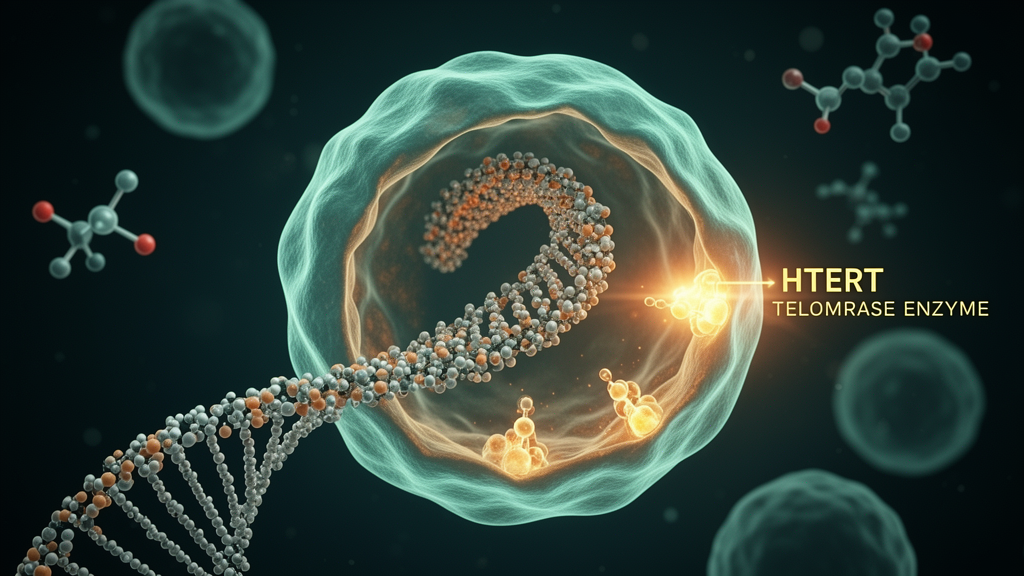
Researchers studying cervical cancer in India report that a specific epigenetic modification of the TERT gene region may help explain how tumours reactivate telomerase, an enzyme that allows cancer cells to keep dividing indefinitely. The study, published in BMC Cancer, analysed tissue samples from 100 cervical cancer patients and 50 controls, measuring hTERT expression, telomere length, methylation of the TERT Hypermethylated Oncological Region (THOR), and HPV status.

The team found that hTERT expression and telomere length were significantly elevated in cervical cancer tissues, and that these measures correlated with patient age, FIGO stage, and menopausal status. THOR hypermethylation emerged as an independent epigenetic regulator of hTERT, operating regardless of clinicopathological parameters. Notably, HPV status showed no association with hTERT expression, telomere length, or THOR methylation, pointing to epigenetic drivers of telomerase reactivation that operate independently of the virus.

To probe the mechanism, the researchers treated several cell lines, including C-33 A, ME-180, HeLa, SiHa, and Saos-2, with 5-aza-2′-deoxycytidine (AZA), a demethylating agent. AZA treatment partially reversed hTERT upregulation and suppressed telomerase activity, with responses varying between cell lines. Using chromatin immunoprecipitation assays, the team also examined menin, a protein involved in gene regulation. Menin enrichment was markedly reduced at hypermethylated THOR but was restored when the region was hypomethylated, which the authors describe as establishing a direct epigenetic link between THOR methylation state and telomere maintenance.

The authors state that this is the first evidence that THOR epigenetic modulation drives telomere maintenance in Indian cervical cancer patients, and they suggest that reduced menin recruitment to hypermethylated THOR identifies an epigenetic axis with potential prognostic and diagnostic value. They also emphasise that the HPV-independent nature of THOR regulation highlights an underexplored target for epigenetic therapy in cervical cancer. The findings are based on a single patient cohort and in vitro experiments, and the reported effects of AZA were partial and cell line-dependent, so further validation will be needed before any clinical application.

Subject of Research: Epigenetic regulation of telomerase reactivation via THOR methylation in cervical cancer

Article Title: THOR hypermethylation and hTERT reactivation define an epigenetic axis in cervical cancer

Article References: Radhakrishnan, M., Parida, B. P., Timalsina, G., Prakash, D., Khoiyang, T., Mishra, H., Mishra, R., Singh, S., & Narayan, G. (2026). THOR hypermethylation and hTERT reactivation define an epigenetic axis in cervical cancer. BMC Cancer. https://doi.org/10.1186/s12885-026-17256-9

Image Credits: AI Generated

DOI: 10.1186/s12885-026-17256-9

Keywords: cervical cancer, THOR, hTERT, telomerase, telomere length, DNA methylation, menin, epigenetics, HPV-independent, azacitidine, BMC Cancer, India

News Source: Nathaniel Bowman. (October 27, 2026). THOR hypermethylation drives hTERT reactivation in cervical cancer. Scienmag.


Tags: azacitidineBMC CancerCervical cancerDNA MethylationepigeneticsHPV-independenthTERTIndiamenintelomerasetelomere lengthTHOR
Share12Tweet7Share2ShareShareShare1

Related Posts

Palliative Sedation Often Follows a Cascade of Refractory Symptoms, Not a Single One

Palliative Sedation Often Follows a Cascade of Refractory Symptoms, Not a Single One

October 27, 2026
Pembrolizumab Brings Heavy Toxicity Burden for Older Breast Cancer Patients in Real-World Care

Pembrolizumab Brings Heavy Toxicity Burden for Older Breast Cancer Patients in Real-World Care

October 27, 2026

STAM protein suppresses kidney cancer through a dual EGFR and AKT mechanism

October 27, 2026

TIGIT receptor drives NKT-like cell exhaustion in high-HBV liver cancer patients

October 27, 2026

POPULAR NEWS

  • Golden Jackal Helpers Step Up When Breeders Vanish, Study Finds

    Golden Jackal Helpers Step Up When Breeders Vanish, Study Finds

    29 shares
    Share 12 Tweet 7
  • Agriculture blocks gene flow in fragmented sloth bear populations of India’s Terai

    29 shares
    Share 12 Tweet 7
  • Scientists call for international network to tackle frontier AI safety risks

    29 shares
    Share 12 Tweet 7
  • THOR hypermethylation drives hTERT reactivation in cervical cancer

    29 shares
    Share 12 Tweet 7

About

We bring you the latest biotechnology news from best research centers and universities around the world. Check our website.

Follow us

Recent News

Golden Jackal Helpers Step Up When Breeders Vanish, Study Finds

Agriculture blocks gene flow in fragmented sloth bear populations of India’s Terai

Scientists call for international network to tackle frontier AI safety risks

Subscribe to Blog via Email

Enter your email address to subscribe to this blog and receive notifications of new posts by email.

Join 85 other subscribers
  • Contact Us

Bioengineer.org © Copyright 2023 All Rights Reserved.

Welcome Back!

Login to your account below

Forgotten Password?

Retrieve your password

Please enter your username or email address to reset your password.

Log In
No Result
View All Result
  • Homepages
    • Home Page 1
    • Home Page 2
  • News
  • National
  • Business
  • Health
  • Lifestyle
  • Science

Bioengineer.org © Copyright 2023 All Rights Reserved.