• HOME
  • NEWS
  • EXPLORE
    • CAREER
      • Companies
      • Jobs
    • EVENTS
    • iGEM
      • News
      • Team
    • PHOTOS
    • VIDEO
    • WIKI
  • BLOG
  • COMMUNITY
    • FACEBOOK
    • INSTAGRAM
    • TWITTER
Sunday, October 4, 2026
BIOENGINEER.ORG
No Result
View All Result
  • Login
  • HOME
  • NEWS
  • EXPLORE
    • CAREER
      • Companies
      • Jobs
        • Lecturer
        • PhD Studentship
        • Postdoc
        • Research Assistant
    • EVENTS
    • iGEM
      • News
      • Team
    • PHOTOS
    • VIDEO
    • WIKI
  • BLOG
  • COMMUNITY
    • FACEBOOK
    • INSTAGRAM
    • TWITTER
  • HOME
  • NEWS
  • EXPLORE
    • CAREER
      • Companies
      • Jobs
        • Lecturer
        • PhD Studentship
        • Postdoc
        • Research Assistant
    • EVENTS
    • iGEM
      • News
      • Team
    • PHOTOS
    • VIDEO
    • WIKI
  • BLOG
  • COMMUNITY
    • FACEBOOK
    • INSTAGRAM
    • TWITTER
No Result
View All Result
Bioengineer.org
No Result
View All Result
Home NEWS Science News

Targeting chronic infections and deadly bacteria

Bioengineer by Bioengineer
February 3, 2020
in Science News
Reading Time: 2 mins read
0
IMAGE
Share on FacebookShare on TwitterShare on LinkedinShare on RedditShare on Telegram

UH researcher examines self-digestion mechanism in persister cells
IMAGE

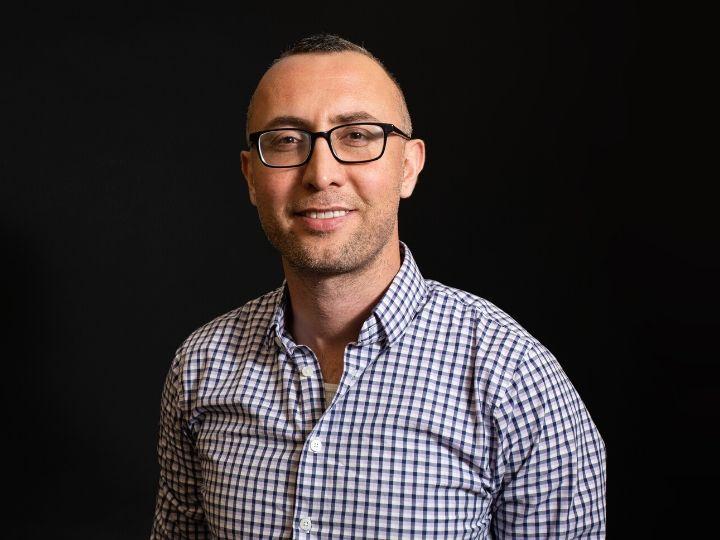
Credit: University of Houston


A University of Houston engineering professor is examining the life cycle of stubborn, drug-resistant persister cells in recurrent infections to find a way to destroy them. Persister cells are non-growing cell subpopulations observed in many pathogenic bacteria and they certainly live up to their name – they persist, and are not phased in the least by current medications. Scientists believe they cause the recurrence of chronic health issues like airway infections in cystic fibrosis patients, urinary tract infections and tuberculosis.

“If we know how persister cells are formed, we can target their formation mechanisms to eliminate these dangerous cell types,” said Mehmet Orman, assistant professor of chemical and biomolecular engineering, who is using a $1.9 million grant from the National Institute of Allergy and Infectious Diseases to explore persister cells.

Orman believes that self-digestion, or autophagy, stimulates persister formation. In self-digestion, cells recycle essential energy molecules by eating their own protein, lipids or other bits to stay alive or temporarily survive under starvation conditions. Self-digestion is triggered by extracellular stress conditions, such as nutrient depletion, hypoxia and overpopulation.

Orman will map the self-digestion-related mechanisms in E. coli to understand how self-digestion is linked to persister cell formation. Then, he will therapeutically explore these mechanisms to identify chemical compounds that can eliminate persister cells.

“Mapping of this comprehensive bacterial pathway from its initial exogenous trigger, through its signal transduction, to the source of antibiotic tolerance, will enable us to develop affective anti-persister therapeutics,” said Orman.

Self-digestion inflicts damage on the cells and can make the cells dormant, putting them in a sleeping mode, and these dormant cells are not effected by antibiotics. The bacterium is less fit to produce protein and resume growth upon exposure to fresh nutrients, providing temporary protection against antibiotics until the self-inflicted damage is repaired.

From an evolutionary perspective, self-digestion is an important survival mechanism. This complex process, which is orchestrated by many regulatory proteins and enzymes, has been well documented in mammalian cells, but largely ignored in bacteria. “By integrating our expertise in bacterial cell biology with advanced current technologies, we aim to decipher the key components of this pathway to provide a clear and much-needed picture of bacterial self-digestion mechanisms,” said Orman.

Orman, himself, is persistent. Previously he developed methods to directly measure the metabolism of persister cells. He has also discovered that persisters are mostly derived from stationary-phase cells with high metabolic activities maintained by self-digestion.

###

Media Contact
Laurie Fickman
[email protected]
713-743-8454

Original Source

https://uh.edu/news-events/stories/2020/february-2020/02032020-mehmet-orman-chronic-infections-bacteria-self-digestion.php

Tags: BiochemistryBiomedical/Environmental/Chemical EngineeringBiotechnologyCell BiologyChemistry/Physics/Materials SciencesIndustrial Engineering/ChemistryMedicine/Health
Share12Tweet8Share2ShareShareShare2

Related Posts

Immunotherapy Breakthroughs and Single-Cell Atlas Studies Reshape Liver Cancer Care in China

Immunotherapy Breakthroughs and Single-Cell Atlas Studies Reshape Liver Cancer Care in China

October 4, 2026
3D Bioprinted Scaffolds That Coach the Immune System to Rebuild Bone

3D Bioprinted Scaffolds That Coach the Immune System to Rebuild Bone

October 4, 2026

Falls at Home Drive Most Trauma in Older Iranians, Registry Study Finds

October 4, 2026

Mini Blood Vessels in a Miniature Plate: 96-Well Platform Streamlines Organoid Production

October 4, 2026
Please login to join discussion

POPULAR NEWS

  • Alloys That Shrink Their Own Grains: New PIX Mechanism Refines Metals With Heat Alone

    Alloys That Shrink Their Own Grains: New PIX Mechanism Refines Metals With Heat Alone

    29 shares
    Share 12 Tweet 7
  • Endurance Exercise Reshapes the Liver in Males and Females Through Distinct Molecular Routes

    29 shares
    Share 12 Tweet 7
  • Single Transcription Factor PU.1 Rapidly Converts Fibroblasts into Macrophage-Lineage Cells

    29 shares
    Share 12 Tweet 7
  • New Scale Measures How Ready Nurse Educators Really Are for the AI Era

    29 shares
    Share 12 Tweet 7

About

We bring you the latest biotechnology news from best research centers and universities around the world. Check our website.

Follow us

Recent News

Alloys That Shrink Their Own Grains: New PIX Mechanism Refines Metals With Heat Alone

Endurance Exercise Reshapes the Liver in Males and Females Through Distinct Molecular Routes

Single Transcription Factor PU.1 Rapidly Converts Fibroblasts into Macrophage-Lineage Cells

Subscribe to Blog via Email

Success! An email was just sent to confirm your subscription. Please find the email now and click 'Confirm' to start subscribing.

Join 85 other subscribers
  • Contact Us

Bioengineer.org © Copyright 2023 All Rights Reserved.

Welcome Back!

Login to your account below

Forgotten Password?

Retrieve your password

Please enter your username or email address to reset your password.

Log In
No Result
View All Result
  • Homepages
    • Home Page 1
    • Home Page 2
  • News
  • National
  • Business
  • Health
  • Lifestyle
  • Science

Bioengineer.org © Copyright 2023 All Rights Reserved.