Fractal Models Reveal How Surface Roughness Accelerates Titanium Alloy Wear
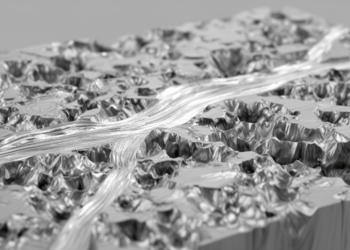
A study combining reciprocating friction experiments and fractal finite element modeling demonstrates that greater surface roughness significantly delays running-in and ...
A study combining reciprocating friction experiments and fractal finite element modeling demonstrates that greater surface roughness significantly delays running-in and ...
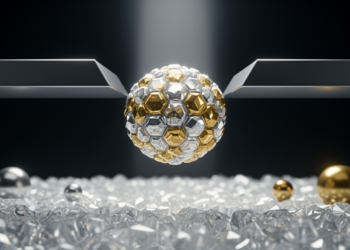
A continuum mechanics flattening model reveals that evolving geometric stress states, rather than intrinsic material weakening, account for the observed ...
A multiscale study combining macroscopic tribometer tests and molecular dynamics simulations reveals that an aqueous medium reduces friction while accelerating ...
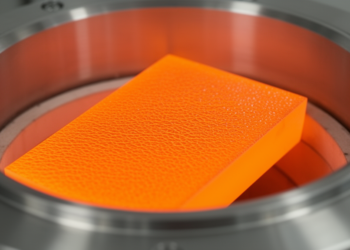
Vacuum annealing of laser-cladded CoCrFeNiAl0.7 high-entropy alloy coatings at 750 °C for four hours significantly enhances hardness while minimizing friction ...
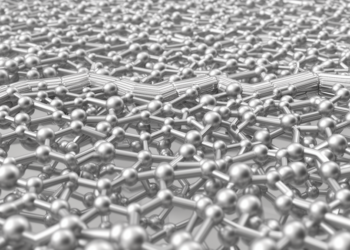
A study shows adding moderate titanium to an arc-melted high-entropy alloy reduces sliding wear by 54 percent and boosts pitting ...
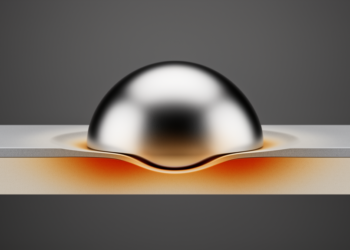
Finite element simulations reveal that base flexibility substantially redistributes contact pressure and lateral displacement during elastic-plastic hemisphere indentation under heavy ...
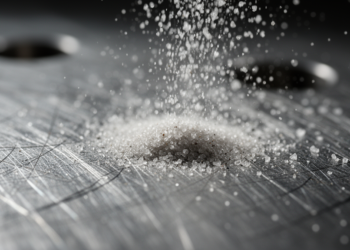
Wear tests on gear steel showed that smaller sand particles remove more material than larger grains despite generating less friction.
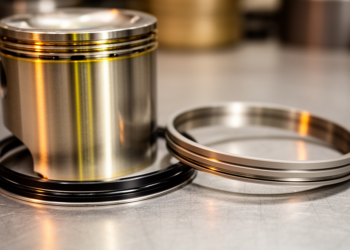
A linear tribometer study reveals that piston ring seizure resistance and contact stability depend heavily on whether lubrication is continuous ...

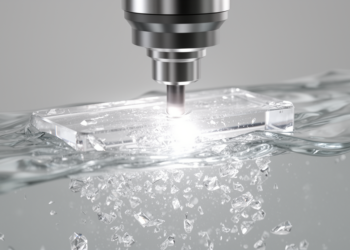
A new comparative study shows that water-jet guided laser drilling of Cf/SiC composites removes material about 3.4 times faster than ...
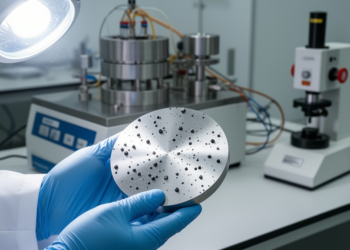
Adding 2.5 to 10 volume percent silicon carbide to FGH95 superalloy powders before spark plasma sintering raised hardness and cut ...
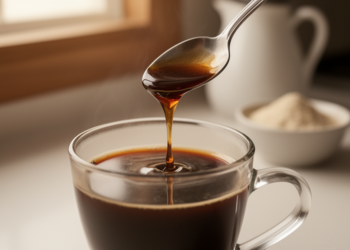
A 2026 study found that adding instant coffee to xanthan gum solutions alters their viscosity, viscoelasticity and lubrication behavior.
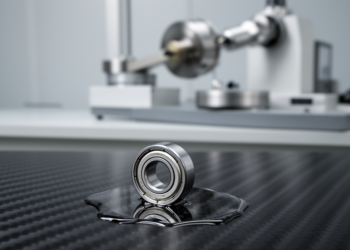
A new study reports that PEEK composites co-reinforced with carbon fiber and hexagonal boron nitride achieved a friction coefficient of ...
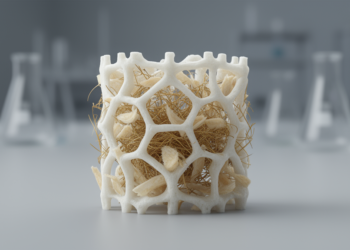
A laboratory study found that a microfiber- and hydroxyapatite-reinforced PLA formulation maximized mechanical measurements, while a higher-hydroxyapatite formulation showed the ...

A laboratory casting study found that CuO nanoparticles refined A356 alloy grains and modified eutectic silicon while increasing microhardness, reducing ...
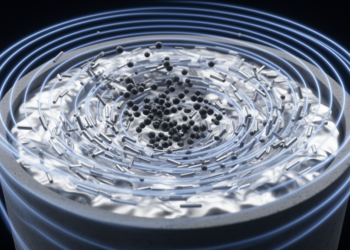
Researchers show that a 10 Hz alternating magnetic field during melt treatment disperses ZrB2 and Al2O3 nanoparticles most uniformly in ...
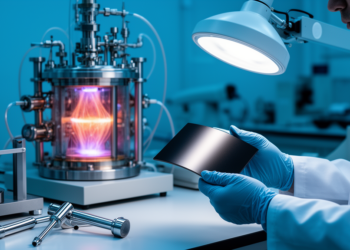
Researchers show that adjusting oxygen pressure during HVOF spraying optimizes zirconium carbonitride coatings, achieving record hardness, adhesion and wear resistance ...
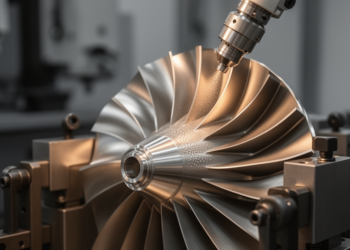
Researchers used room-temperature surface mechanical attrition treatment to refine the grains of Inconel X-750, raising surface hardness by 12.5 percent ...
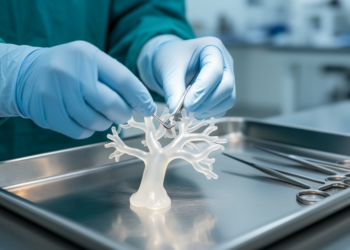
German researchers found that a simple Teflon spray coating dramatically reduces the unrealistic catheter friction of 3D-printed brain vessel models, ...
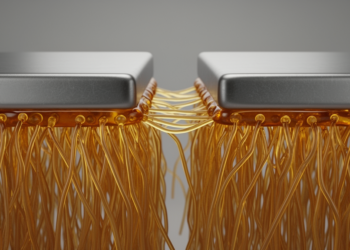
Every time an engine starts, a hidden molecular drama unfolds on its metal surfaces. As lubricants grow thinner in the ...
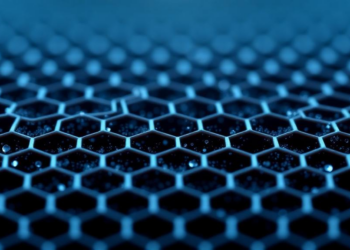
Researchers have built a hybrid machine learning framework that predicts how graphene-enhanced grease heats up, wears down, and transitions between ...