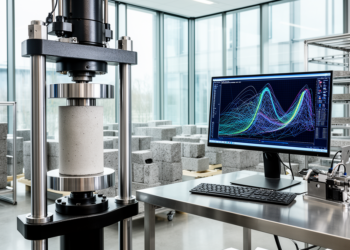
Machine Learning Model Predicts Concrete Strength and Carbon Dioxide Uptake
Researchers developed a gradient boosting machine learning framework to evaluate and optimize compressive strength and carbon dioxide sequestration in carbon-cured ...
Researchers developed a gradient boosting machine learning framework to evaluate and optimize compressive strength and carbon dioxide sequestration in carbon-cured ...
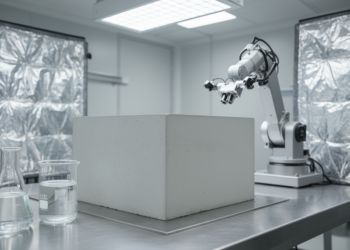
A comparative study shows aggregate-free geopolymer concrete matches conventional serpentinite shielding against gamma radiation while providing superior resistance to boric ...
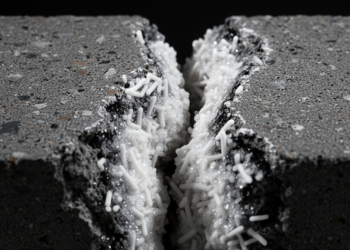
A multi-mechanism system combining crystalline admixtures, basalt fibers, and encapsulated bacteria enhanced mechanical strength, sealed cracks up to 0.81 millimeters, ...
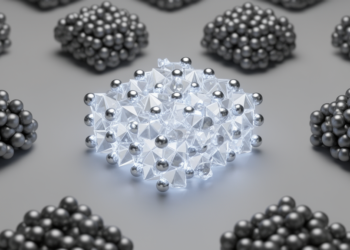
Materials researchers have demonstrated that substituting cerium into magnesium nanoferrites alters their lattice dimensions and suppresses coercivity while maintaining soft ...
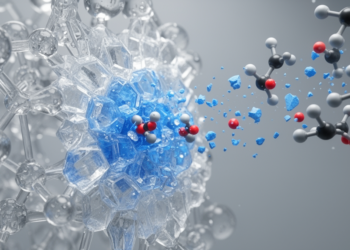
Researchers synthesize vanadyl-doped struvite as a heterogeneous Fenton-type catalyst that degrades methylene blue dye in water without external acid additions.
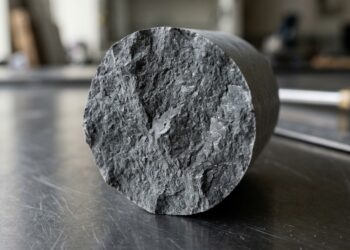
A laboratory study demonstrates that trace hydroxyapatite–chitosan nanorods accelerate cement hydration kinetics and boost 28-day compressive strength by 42.5 percent.
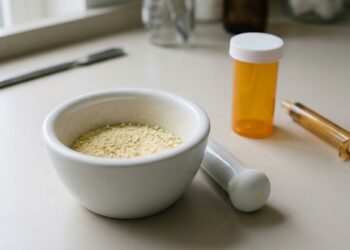
An extemporaneously prepared crushed tadalafil formulation mixed with lactose monohydrate remained physicochemically stable for ninety days under controlled storage conditions.
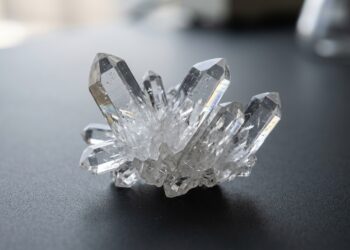
Researchers have characterized the fundamental structural, optical, thermal, and mechanical properties of hippuric acid single crystals grown using a slow ...
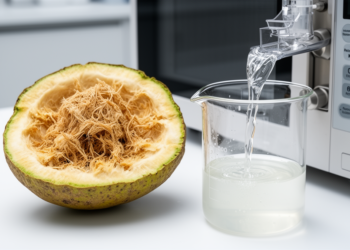
Computer algorithms paired with microwave extraction recovered high-purity low-methoxyl pectin from bael fruit peels with superior emulsifying performance.
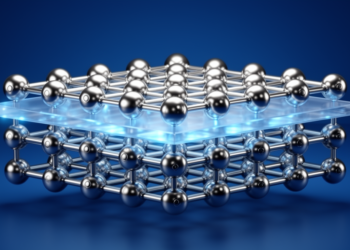
Researchers have mapped the superconducting phase diagram of bilayer nickelate La3Ni2O7+δ by precisely controlling oxygen content and identifying phase transitions ...
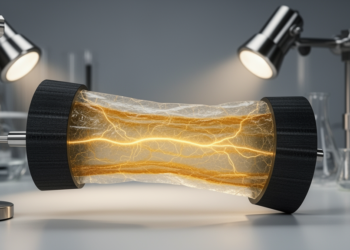
Researchers have synthesized a proton-conducting biopolymer electrolyte from chickpea starch, agar, and ammonium thiocyanate that achieves high ionic conductivity for ...
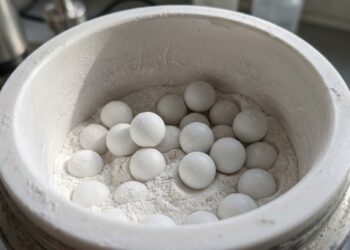
Researchers used solvent-free three-dimensional ball milling to form cyclodextrin inclusion complexes with honokiol, significantly improving early-stage dissolution without diminishing antioxidant ...
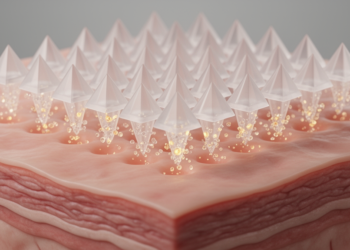
Researchers have fabricated dissolving polyvinyl alcohol microneedles that successfully stabilize and deliver ascorbyl palmitate and ascorbyl glucoside through laboratory skin ...
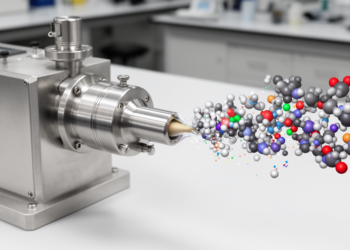
A material-sparing three-step workflow combining PC-SAFT modeling and vacuum compression molding reliably determined hot melt extrusion feasibility for encorafenib while ...
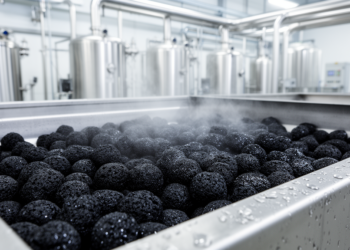
Treating refuse-derived fuel through thermal carbonization followed by hot water washing produced dense char with chlorine concentrations below one percent.
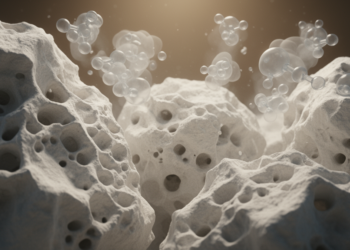
A study of CaO sorbents over 25 cycles reveals that while carbonation capacity degrades, the activation energy for CO2 adsorption ...
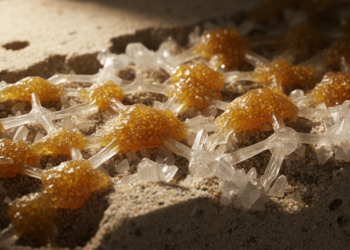
Pre-growing bacterial biofilms directly on aggregate particles significantly boosts mineral precipitation, refines internal pore architecture, and multiplies compressive strength in ...
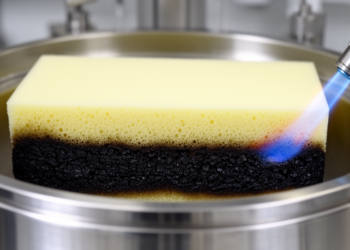
A comparative screening study evaluated how triethyl phosphate, zinc borate, and expandable graphite affect rigid polyurethane foam properties.
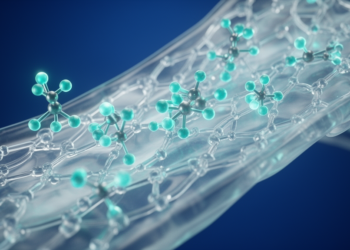
Researchers developed a thymol-plasticized polyvinyl alcohol electrolyte with nickel chloride that achieved an ionic conductivity of 9.45 × 10⁻⁶ S ...
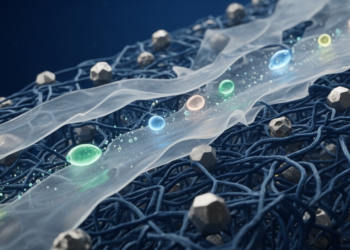
Researchers synthesized a ternary polyaniline, graphene oxide, and chromium-doped manganese dioxide hybrid nanocomposite that achieved a specific capacitance of 430 ...