
Azospirillum Inoculation Cuts Synthetic Nitrogen Needs in Half for Intercropped Crops
A two-year field study in Egypt demonstrates that inoculating intercropped sweet corn and sweet potato with Azospirillum brasilense allows synthetic ...
A two-year field study in Egypt demonstrates that inoculating intercropped sweet corn and sweet potato with Azospirillum brasilense allows synthetic ...

Intercropping Hainan Dayezhong tea plants with areca trees modifies plantation microenvironments and soil microbial communities to enhance white tea flavor.

A study in BMC Ecology and Evolution finds that intercropping morels with herbaceous plants reduces yield but enhances soil microbial ...

Intercropping Asparagus cochinchinensis under Pinus massoniana plantations boosts medicinal saponin content while maintaining vegetative structural traits through hormonal and metabolic ...

Intercropping sage alongside grapevines altered atmospheric volatiles and significantly reduced downy mildew severity on inoculated grapevine foliage in controlled and ...

A survey of 412 smallholder farmers in Kerala links cocoa-cashew intercropping with higher household income and improved perceived food security, ...

A two-year field study in southern Germany found that lentil grown with cereal companions derived up to 95 percent of ...

Fall armyworm, the voracious caterpillar that has become one of the most destructive pests of maize worldwide, can be pushed ...

A new review in The Science of Nature argues that the volatile organic compounds released by companion crops can be ...

Metagenomic sequencing reveals that planting white clover between tea rows significantly reshapes rhizosphere microbial communities and boosts genes tied to ...

Transcriptomic profiling of intercropped maize and soybean roots reveals the cereal amplifies nitrogen metabolism while the legume suppresses specialized metabolism ...

A twelve-year field study in Jiangxi, China, reveals that the species of aromatic tree planted alongside tea bushes dramatically reshapes ...
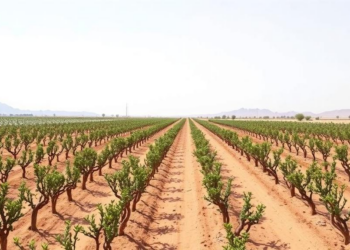
A two-year field experiment in Xinjiang shows that a moderate nitrogen rate of 280 kilograms per hectare minimizes the greenhouse ...

A new review synthesizes how plants communicate through volatile chemicals, root exudates, RNA signals, and fungal networks, and what this ...

A four-year Idaho field trial shows that deficit irrigation and barley–legume intercropping, especially with lentil, steepen soil phosphorus depletion gradients ...

A sweeping review finds that intercropping, agroforestry, and crop rotation can rebuild degraded soils, cut pest pressure by up to ...

A new Plant and Soil study finds that domesticated pepper varieties lose the root trait plasticity that helps wild ancestors ...

New research reveals that stressed faba bean roots release chemical distress signals that induce wheat to secrete benzoxazinoids, which attract ...
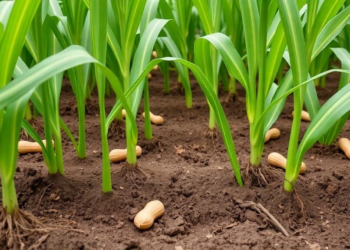
New research shows that maize root exudates rich in organic acids acidify the rhizosphere and unlock soil potassium, rescuing potassium-stressed ...