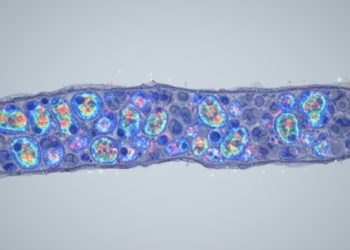
Adhesion Molecule Review Shows No Single Biomarker Ready for Endometriosis Diagnosis
A targeted review finds cell adhesion molecules act through stage-specific pelvic mechanisms but lack external validation as standalone endometriosis diagnostics.
A targeted review finds cell adhesion molecules act through stage-specific pelvic mechanisms but lack external validation as standalone endometriosis diagnostics.
A study of nasopharyngeal carcinoma biopsies reveals that elevated CD44 expression correlates with the viral oncoprotein LMP1, fewer tumor-infiltrating killer ...
Researchers have identified rare stem cell populations in SF1 pituitary tumors that possess the capacity for multilineage endocrine differentiation.
A review highlights how cancer stem cells and protective microenvironments drive gemcitabine resistance in gallbladder cancer.
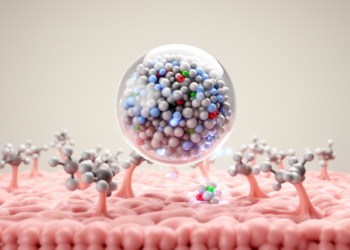
A comprehensive review analyzes how ligand-functionalized nanocarriers targeting specific breast cancer receptors enhance selective intracellular drug delivery and antitumor efficacy ...
An integrative transcriptomic study reveals that a recurrent stromal–myeloid ecosystem termed RISEN is inversely associated with T/NK immune organization in ...
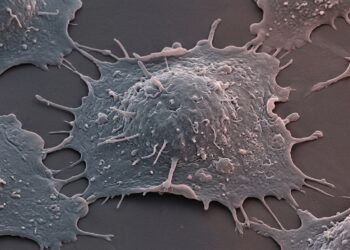
Silencing the circular RNA circ-RHOT1 suppresses triple-negative breast cancer cell growth and stemness marker expression by regulating PRMT5.
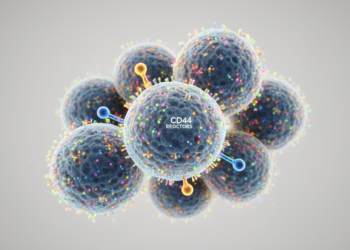
Inhibition of the cell adhesion receptor CD44 restores oligodendrocyte maturation and reduces motor deficits in preclinical models of acid sphingomyelinase ...

Primary meningioma cell cultures retain a consistent inflammatory secretome of cytokines, chemokines, proteases, and protease inhibitors.
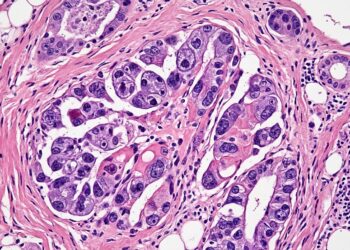
A multi-omics reappraisal prioritizing SDC1 across triple-negative breast cancer tissue spots found no definitive causal genetic evidence linking candidate genes ...
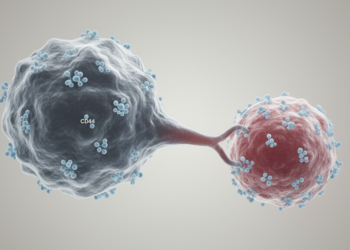
A new study reveals that SPP1-positive tumor-associated macrophages promote cervical cancer progression by activating the NF-κB pathway in tumor cells ...

Elevated LINC00626 enhances STAT3 Tyr705 phosphorylation and CCL20 expression, helping hepatocellular carcinoma cells tolerate oxaliplatin in cell and xenograft models.

A new review examines how plant-derived compounds such as polyphenols, flavonoids, alkaloids and isothiocyanates may target the breast cancer stem ...
A new Cellular Oncology study shows that the enzyme PLA2G2A drives gallbladder cancer progression by promoting cancer stemness through PLA2R1, ...

CRISPR-engineered cervical cancer cells carrying the PIK3CA-E545K mutation show coordinated immune signaling and metabolic rewiring, driven by suppressed lipid biosynthesis ...
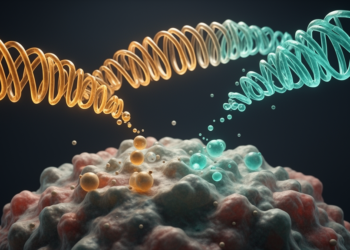
A new review argues that the molecular weight of hyaluronic acid, spanning oligosaccharides below 10 kilodaltons to chains above 6 ...
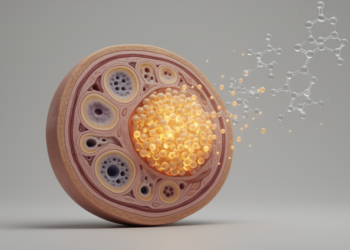
A mouse study reports that benzo(a)pyrene exposure depletes ovarian follicles, damages uterine tissue, and expands ovarian cell populations marked by ...
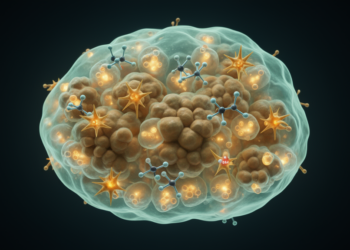
KIT-led researchers show that inactivating the CD44 molecule reprograms tumor-promoting fibroblasts in pancreatic cancer, reducing fibrosis and immunosuppression and shrinking ...
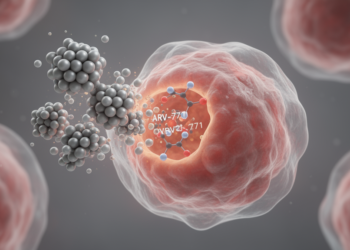
A proof-of-concept nanoparticle system used hyaluronic acid for CD44-mediated tumor-cell targeting and glutathione-triggered disassembly to release ARV-771 and enable BRD4 ...

A new review details how the matrix protein SPP1 orchestrates immunosuppression across the tumor microenvironment and outlines emerging strategies to ...