Blood Cholesterol Marker Flags Brain Injury Risk in Growth-Restricted Infants
A blood-based cholesterol metabolite, 24S-hydroxycholesterol, shows reduced levels in IUGR infants and predicts neurodevelopmental risk in new mouse and clinical ...
A blood-based cholesterol metabolite, 24S-hydroxycholesterol, shows reduced levels in IUGR infants and predicts neurodevelopmental risk in new mouse and clinical ...
A mouse study of traumatic brain injury found that astrocytes increase mitochondrial transfer to neurons via extracellular vesicles, a response ...
Deleting the Polycomb protein PCGF1 in the mouse dorsal forebrain selectively blocks astrocyte production by lifting repression of N4bp1, a ...
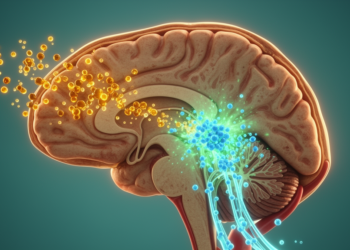
A new mouse and cell study found that the plant flavonoid apigenin improved chemically induced cognitive deficits by activating GPR30 ...
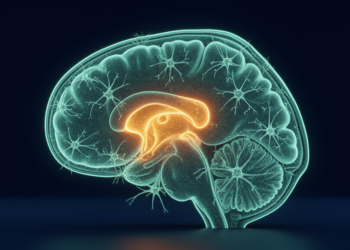
A mouse study finds that age- and diet-dependent changes in astrocyte complexity within the hippocampal temporoammonic pathway parallel spatial learning ...
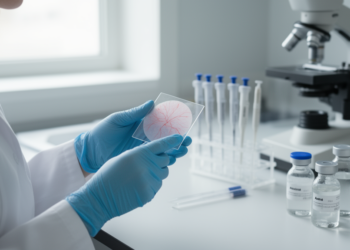
Researchers built a human blood-brain barrier model combined with antiviral testing, validated it with anti-HIV drugs, showed TBEV crosses an ...
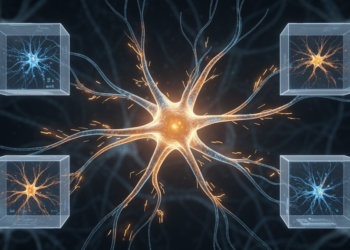
A systematic comparison shows four neuroscience simulation tools produce consistent calcium reaction–diffusion results, while astrocyte branchlet geometry strongly shapes signaling.
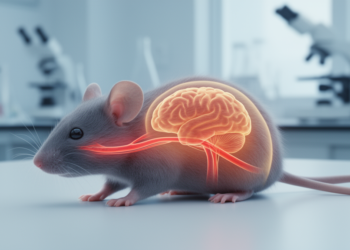
A mouse study found that an asymmetric 0.16/0.18-mm BCAS configuration produced earlier cognitive impairment, more persistent sensorimotor deficits, and more ...
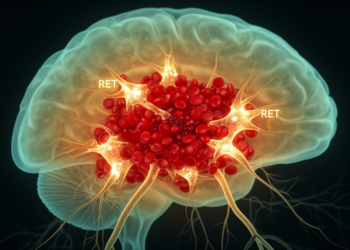
A mouse and cell-culture study finds that the RET protein in astrocytes helps protect nearby neurons from hemin-induced apoptosis after ...
A new review argues that disrupted lipid handling in astrocytes may amplify motor neuron injury and disease progression in ALS.
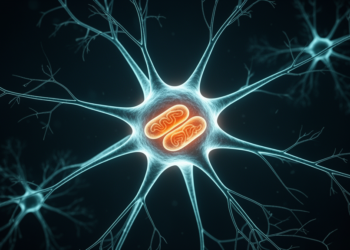
A new human cell model shows that astrocytes lacking the prion protein display increased reactivity markers and mitochondrial abnormalities, yet ...
A new review proposes that the astrocytic stress-responsive protein NDRG2 coordinates multiple depression-related pathways and may serve as a precise ...
A new mouse tool reveals that CD51-positive astrocytes are a functionally distinct subpopulation that promotes cortical synapse formation, hippocampal circuit ...
Researchers at Japan's National Institute of Genetics developed an orthogonal Cro/OR3 gene expression system that, combined with Gal4/UAS, independently controls ...
A mouse study shows that CD51-positive and CD51-negative astrocytes have distinct roles in synapse formation, memory-circuit adaptation and recovery from ...
A selective, brain-penetrant CD38 inhibitor raised NAD+ levels in rodent brain, protected dopaminergic neurons from alpha-synuclein toxicity in vitro, and ...
An integrative transcriptomic study has identified an extracellular matrix and perineuronal net-high astrocyte state in major depressive disorder, along with ...
A new review argues that inflammatory signaling between microglia and astrocytes may help initiate and maintain the central sensitization underlying ...
Single-nucleus RNA sequencing of postmortem brains reveals that carriers of the rare MAPT A152T variant show distinct cell type-specific gene-expression ...
A targeted lipidomic study in engineered human astrocytoma cells found that Alexander disease-associated GFAP mutations caused distinct, extensive changes in ...