Fat cells allow melanoma cells to penetrate the dermis, from which they spread, causing fatal metastases in vital organs, Tel Aviv University researchers say
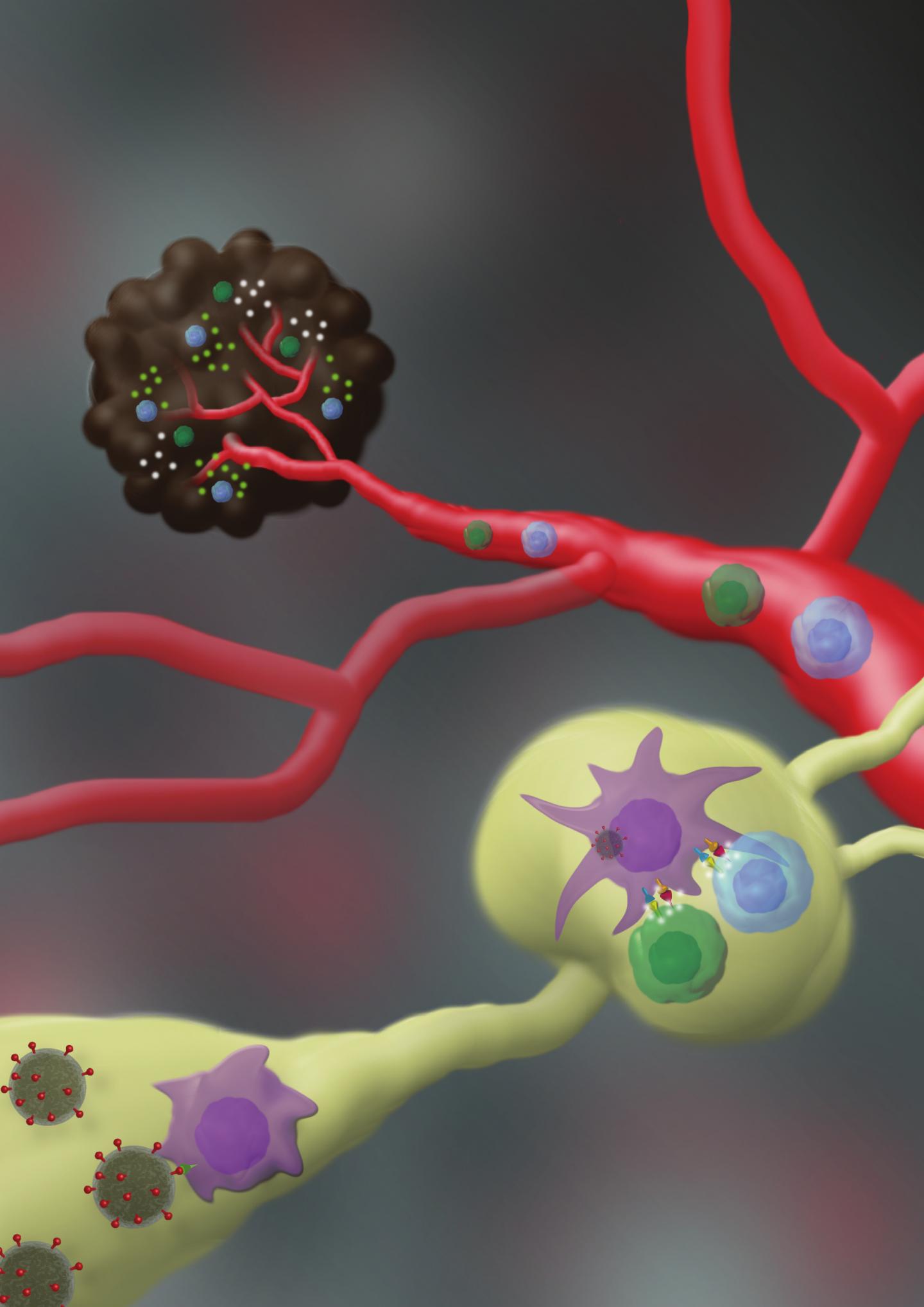
Credit: Professor Carmit Levy/AFTAU
Researchers at Tel Aviv University, led by Prof. Carmit Levy and Dr. Tamar Golan of the Department of Human Genetics and Biochemistry at TAU’s Sackler School of Medicine, have discovered that fat cells are involved in the transformation that melanoma cells undergo from cancer cells of limited growth in the epidermis to lethal metastatic cells attacking patients’ vital organs.
“We have answered a major question that has preoccupied scientists for years,” explains Prof. Levy. “What makes melanoma change form, turning aggressive and violent? Locked in the skin’s outer layer, the epidermis, melanoma is very treatable; it is still Stage 1, it has not penetrated the dermis to spread through blood vessels to other parts of the body and it can simply be removed without further damage.
“Melanoma turns fatal when it ‘wakes up,’ sending cancer cells to the dermis layer of skin, below the epidermis, and metastasizing in vital organs. Blocking the transformation of melanoma is one of the primary targets of cancer research today, and we now know fat cells are involved in this change.”
The research was conducted in collaboration with several senior pathologists: Dr. Hanan Vaknin of Wolfson Medical Center, and Dr. Dov Hershkowitz and Dr. Valentina Zemer of Tel Aviv Medical Center.
The study was on published July 23 in Science Signaling and is featured on the journal’s cover.
In the study, the researchers examined dozens of biopsy samples taken from melanoma patients at Wolfson Medical Center and Tel Aviv Medical Center, and observed a suspicious phenomenon: fat cells near the tumor sites.
“We asked ourselves what fat cells were doing there and began to investigate,” adds Prof. Levy. “We placed the fat cells on a petri dish near melanoma cells and followed the interactions between them.”
The researchers observed fat cells transferring proteins called cytokines, which affect gene expression, to the melanoma cells.
“Our experiments have shown that the main effect of cytokines is to reduce the expression of a gene called miRNA211, which inhibits the expression of a melanoma receptor of TGF beta, a protein that is always present in the skin,” says Prof. Levy. “The tumor absorbs a high concentration of TGF beta, which stimulates melanoma cells and renders them aggressive.”
Critically, the researchers have also found a way to block this transformation.
“It is important to note that we found the process reversible in the laboratory: When we removed the fat cells from the melanoma, the cancer cells calmed down and stopped migrating,” adds Prof. Levy.
A trial of mouse models of melanoma yielded similar results: When miRNA211 was repressed, metastases were found in other organs, while re-expressing the gene blocked metastases formation.
In the search for a potential drug based on the new discovery, the researchers experimented with therapies that are known to inhibit cytokines and TGF beta, but which have never before been used to treat melanoma.
“We are talking about substances that are currently being studied as possible treatments for pancreatic cancer, and are also in clinical trials for prostate, breast, ovarian and bladder cancers,” Dr. Golan said. “We saw that they restrained the metastatic process, and that the melanoma returned to its relatively ‘calm’ and dormant state.”
“Our findings can serve as a basis for the development of new drugs to halt the spread of melanoma — therapies that already exist, but were never used for this purpose,” concludes Prof. Levy. “In the future, we are seeking to collaborate with drug companies to enhance the development of the metastatic melanoma prevention approach.”
###
American Friends of Tel Aviv University supports Israel’s most influential, comprehensive and sought-after center of higher learning, Tel Aviv University (TAU). TAU is recognized and celebrated internationally for creating an innovative, entrepreneurial culture on campus that generates inventions, startups and economic development in Israel. TAU is ranked ninth in the world, and first in Israel, for producing start-up founders of billion-dollar companies, an achievement that surpassed several Ivy League universities. To date, 2,500 US patents have been filed by Tel Aviv University researchers — ranking TAU #1 in Israel, #10 outside of the US and #66 in the world.
Media Contact
George Hunka
[email protected]
Original Source
https:/
Related Journal Article
http://dx.