• HOME
  • NEWS
  • EXPLORE
    • CAREER
      • Companies
      • Jobs
    • EVENTS
    • iGEM
      • News
      • Team
    • PHOTOS
    • VIDEO
    • WIKI
  • BLOG
  • COMMUNITY
    • FACEBOOK
    • INSTAGRAM
    • TWITTER
Wednesday, May 13, 2026
BIOENGINEER.ORG
No Result
View All Result
  • Login
  • HOME
  • NEWS
  • EXPLORE
    • CAREER
      • Companies
      • Jobs
        • Lecturer
        • PhD Studentship
        • Postdoc
        • Research Assistant
    • EVENTS
    • iGEM
      • News
      • Team
    • PHOTOS
    • VIDEO
    • WIKI
  • BLOG
  • COMMUNITY
    • FACEBOOK
    • INSTAGRAM
    • TWITTER
  • HOME
  • NEWS
  • EXPLORE
    • CAREER
      • Companies
      • Jobs
        • Lecturer
        • PhD Studentship
        • Postdoc
        • Research Assistant
    • EVENTS
    • iGEM
      • News
      • Team
    • PHOTOS
    • VIDEO
    • WIKI
  • BLOG
  • COMMUNITY
    • FACEBOOK
    • INSTAGRAM
    • TWITTER
No Result
View All Result
Bioengineer.org
No Result
View All Result
Home NEWS Science News Health

Research to focus on small molecule that can help fight breast cancer

Bioengineer by Bioengineer
October 2, 2019
in Health
Reading Time: 3 mins read
0
IMAGE
Share on FacebookShare on TwitterShare on LinkedinShare on RedditShare on Telegram

UC Riverside and City of Hope awarded Department of Defense grants for the collaborative project
IMAGE

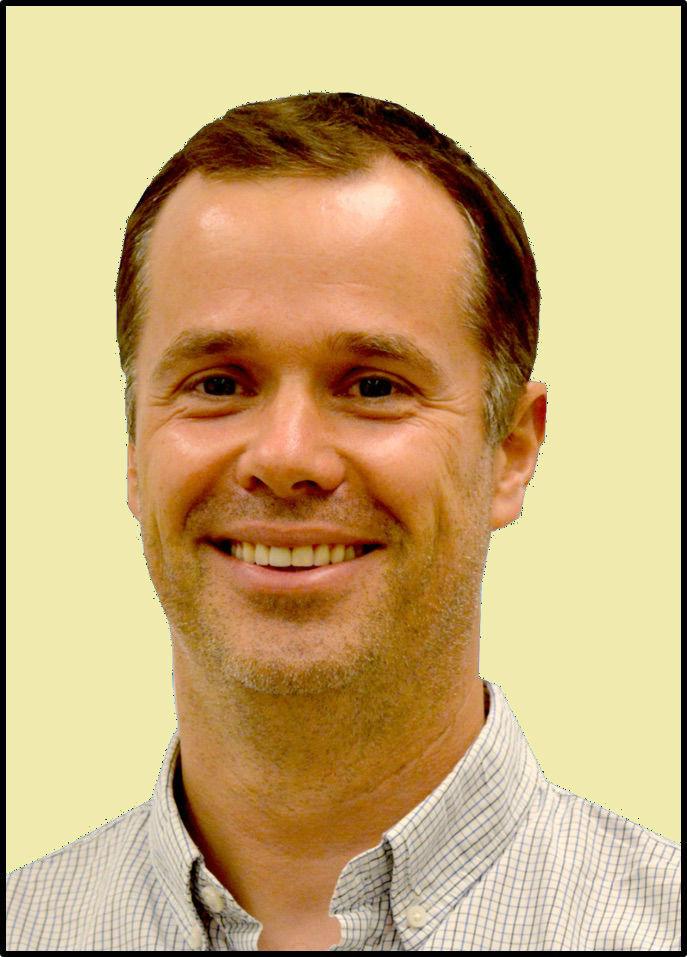
Credit: Perry lab, UC Riverside.

RIVERSIDE, Calif. — A biochemist at the University of California, Riverside, has received a grant from the Congressionally Directed Medical Research Programs, or CDMRP, of the U.S. Department of Defense to develop a novel lead compound to treat breast cancer, the second most commonly diagnosed cancer among American women.

John Jefferson Perry, an assistant professor of biochemistry, is the principal investigator of the three-year grant of $659,000. City of Hope, a comprehensive cancer center, has also received a grant from CDMRP as the research project will partner Perry’s lab at UC Riverside with a City of Hope lab.

Breast cancer totals 30% of newly diagnosed cancer cases; mortality rates are higher than all other forms of cancer except lung cancer.

“Developing new breast cancer therapies is critical, as invasive breast cancer will strike about one in eight U.S. women during their lifetimes,” Perry said.

This year, an estimated 268,600 new cases of invasive breast cancer and 62,930 new cases of noninvasive forms of the cancer are expected in women in the United States.

A big challenge for breast cancer researchers is developing more effective and less toxic treatment regimens for patients that also improve their chances of survival.

“Our goal is to bring to the clinic a novel lead compound that selectively targets breast cancer cells,” Perry said.

His lab is focusing on AOH1160, a small molecule discovered at the City of Hope Medical Center that selectively kills many types of cancer cells through targeting proliferating cell nuclear antigen, or PCNA.

PCNA is an evolutionarily conserved protein that plays an important role in DNA replication and repair. The cancer-associated PCNA, called caPCNA, is present in various cancer cells and promotes the growth and survival of breast cancer cells. AOH1160 is a potent caPCNA inhibitor that suppresses tumor growth and, in models of disease, has been shown to be toxic to breast cancer cells and nontoxic to nonmalignant cells.

“AOH1160 may have limitations as it doesn’t have ideal drug-like properties, in particular due to it being fairly hydrophobic in nature,” Perry said. “Our immediate objective is to create a novel series of new AOH1160-like molecules that selectively kill breast cancer cells, spare noncancer cells, and improve the clinical management of breast cancer patients.”

Perry joined the UCR faculty in October 2014. He studies the molecular mechanisms of cancer, neurodegenerative disease, and aging. He is an adjunct professor at Madrid’s Universidad Francisco de Vitoria, and an international adjunct professor at the School of Biotechnology, Amrita University, in Kerala, India. He is a cofounder of Propellex Bio in San Diego and a stakeholder in San Diego biotech company WinSanTor.

The research project, “Breast Cancer Selective Therapeutic Development: Lead Optimization of a Small Molecule Inhibitor of the Breast Cancer Selective Hub Protein caPCNA,” will support Jennifer Jossart, a graduate student; and Nikola Kenjic, a postdoctoral fellow in Perry’s lab.

###

The University of California, Riverside (http://www.ucr.edu) is a doctoral research university, a living laboratory for groundbreaking exploration of issues critical to Inland Southern California, the state and communities around the world. Reflecting California’s diverse culture, UCR’s enrollment is more than 24,000 students. The campus opened a medical school in 2013 and has reached the heart of the Coachella Valley by way of the UCR Palm Desert Center. The campus has an annual statewide economic impact of almost $2 billion. To learn more, email [email protected].

Media Contact
Iqbal Pittalwala
[email protected]

Tags: BiochemistryBreast CancercancerCell BiologyDevelopmental/Reproductive BiologyGynecologyMedicine/HealthMolecular BiologyPublic Health
Share12Tweet8Share2ShareShareShare2

Related Posts

Gut Microbiome Network Links to Obesity Metabolism

May 13, 2026

AI-Powered Screening Enhances Chemical Exposure Assessment

May 13, 2026

Bacterial Lipopeptides Block IL-33 Release, Easing Dermatitis

May 13, 2026

MICU Proteins Drive Calcium-Based Mitochondrial Energy Control

May 13, 2026
Please login to join discussion

POPULAR NEWS

  • Research Indicates Potential Connection Between Prenatal Medication Exposure and Elevated Autism Risk

    842 shares
    Share 337 Tweet 211
  • New Study Reveals Plants Can Detect the Sound of Rain

    728 shares
    Share 290 Tweet 182
  • Salmonella Haem Blocks Macrophages, Boosts Infection

    62 shares
    Share 25 Tweet 16
  • Breastmilk Balances E. coli and Beneficial Bacteria in Infant Gut Microbiomes

    57 shares
    Share 23 Tweet 14

About

We bring you the latest biotechnology news from best research centers and universities around the world. Check our website.

Follow us

Recent News

Vortex-Induced Triboelectric Nanogenerator Enables Efficient Multidirectional Wind Energy Harvesting in Low Wind and High Humidity Conditions

KAIST Breaks New Ground in Autonomous Driving by Enabling Nighttime Puddle Detection

Comparing Sequential Transarterial Chemoembolization After Stereotactic Body Radiation Therapy to Radiation Alone in Treating Recurrent Hepatocellular Carcinoma

Subscribe to Blog via Email

Enter your email address to subscribe to this blog and receive notifications of new posts by email.

Join 82 other subscribers
  • Contact Us

Bioengineer.org © Copyright 2023 All Rights Reserved.

Welcome Back!

Login to your account below

Forgotten Password?

Retrieve your password

Please enter your username or email address to reset your password.

Log In
No Result
View All Result
  • Homepages
    • Home Page 1
    • Home Page 2
  • News
  • National
  • Business
  • Health
  • Lifestyle
  • Science

Bioengineer.org © Copyright 2023 All Rights Reserved.