• HOME
  • NEWS
  • EXPLORE
    • CAREER
      • Companies
      • Jobs
    • EVENTS
    • iGEM
      • News
      • Team
    • PHOTOS
    • VIDEO
    • WIKI
  • BLOG
  • COMMUNITY
    • FACEBOOK
    • INSTAGRAM
    • TWITTER
Friday, July 10, 2026
BIOENGINEER.ORG
No Result
View All Result
  • Login
  • HOME
  • NEWS
  • EXPLORE
    • CAREER
      • Companies
      • Jobs
        • Lecturer
        • PhD Studentship
        • Postdoc
        • Research Assistant
    • EVENTS
    • iGEM
      • News
      • Team
    • PHOTOS
    • VIDEO
    • WIKI
  • BLOG
  • COMMUNITY
    • FACEBOOK
    • INSTAGRAM
    • TWITTER
  • HOME
  • NEWS
  • EXPLORE
    • CAREER
      • Companies
      • Jobs
        • Lecturer
        • PhD Studentship
        • Postdoc
        • Research Assistant
    • EVENTS
    • iGEM
      • News
      • Team
    • PHOTOS
    • VIDEO
    • WIKI
  • BLOG
  • COMMUNITY
    • FACEBOOK
    • INSTAGRAM
    • TWITTER
No Result
View All Result
Bioengineer.org
No Result
View All Result
Home NEWS Science News Biology

Reconnecting with nature key for the health of people and the planet

Bioengineer by Bioengineer
February 13, 2020
in Biology
Reading Time: 2 mins read
0
IMAGE
Share on FacebookShare on TwitterShare on LinkedinShare on RedditShare on Telegram

IMAGE

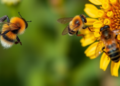
Credit: University of Plymouth

Individuals who visit natural spaces weekly, and feel psychologically connected to them, report better physical and mental wellbeing, new research has shown.

Alongside the benefits to public health, those who make weekly nature visits, or feel connected to nature, are also more likely to behave in ways which promote environmental health, such as recycling and conservation activities.

The findings of the study, published in the Journal of Environmental Psychology, indicate that reconnecting with nature could be key to achieving synergistic improvements to human and planetary health.

The study was conducted by researchers at the University of Plymouth, Natural England, the University of Exeter and University of Derby, and is the first to investigate – within a single study – the contribution of both nature contact and connection to human health, wellbeing and pro-environmental behaviours.

The findings are based on responses to the Monitor of Engagement with the Natural Environment (MENE) survey, commissioned by Natural England as part of DEFRA’s social science research programme. The team looked at people’s engagement with nature though access to greenspace, nature visits and the extent to which they felt psychologically connected to the natural world.

Lead author Leanne Martin, of the University of Plymouth, said: “In the context of increasing urbanisation, it is important to understand how engagement with our planet’s natural resources relate to human health and behaviour. Our results suggest that physically and psychologically reconnecting with nature can be beneficial for human health and wellbeing, and at the same time encourages individuals to act in ways which protect the health of the planet.”

Marian Spain, Chief Executive of Natural England added: “It’s a top priority for Natural England to unlock the potential of the natural environment to help address the challenges we are facing as a society: poor physical health and mental wellbeing; the climate change crisis and the devastating loss of wildlife.

“These findings give vital new insights of the need to not just increase contact with nature, but about the sorts of experience that really help people build an emotional connection, which is key to unlocking health benefits as well as inspiring people to taking action to help their environment. We look forward to using the research as we work with our many partners to support more people from all walks of life to benefit from thriving nature.”

###

Media Contact
Alan Williams
[email protected]
0044-175-258-8004

Original Source

https://www.plymouth.ac.uk/news/reconnecting-with-nature-key-for-the-health-of-people-and-the-planet

Related Journal Article

http://dx.doi.org/10.1016/j.jenvp.2020.101389

Tags: BehaviorBiodiversityClimate ChangeEcology/EnvironmentMedicine/HealthMental HealthPublic HealthSocial/Behavioral Science
Share12Tweet8Share2ShareShareShare2

Related Posts

Study Challenges Rising Global Trade in Critically Endangered Sand Tiger Sharks

Study Challenges Rising Global Trade in Critically Endangered Sand Tiger Sharks

July 10, 2026
Drosophila as a Key Genetic Model for Studying Extracellular Vesicles

Drosophila as a Key Genetic Model for Studying Extracellular Vesicles

July 10, 2026

BU receives $4.6M grant to advance lung science research training

July 10, 2026

Unmedicated Depressed Women Show Reduced Heat Tolerance Compared to SSRI Users

July 10, 2026
Please login to join discussion

POPULAR NEWS

  • Detection of EDCs in Breast Milk and Infant Urine Up to Six Months Highlights Early Exposure Risks

    77 shares
    Share 31 Tweet 19
  • New Drug Candidate Developed at McMaster Shows Potential for Treating Brain Cancer

    58 shares
    Share 23 Tweet 15
  • KTU Researchers Explore Ultrasound’s Role in Enhancing Blood Flow Beyond Diagnostics

    53 shares
    Share 21 Tweet 13
  • 高齢者の骨粗鬆症治療の持続性比較

    51 shares
    Share 20 Tweet 13

About

We bring you the latest biotechnology news from best research centers and universities around the world. Check our website.

Follow us

Recent News

Urolithin A Improves Heart Health by Boosting Mitophagy and Gut-Ceramide Axis

Cruise ship air pollution may worsen viral infection severity

Scientists Capture Cosmic Drift Preceding Star Birth

Subscribe to Blog via Email

Enter your email address to subscribe to this blog and receive notifications of new posts by email.

Join 84 other subscribers
  • Contact Us

Bioengineer.org © Copyright 2023 All Rights Reserved.

Welcome Back!

Login to your account below

Forgotten Password?

Retrieve your password

Please enter your username or email address to reset your password.

Log In
No Result
View All Result
  • Homepages
    • Home Page 1
    • Home Page 2
  • News
  • National
  • Business
  • Health
  • Lifestyle
  • Science

Bioengineer.org © Copyright 2023 All Rights Reserved.