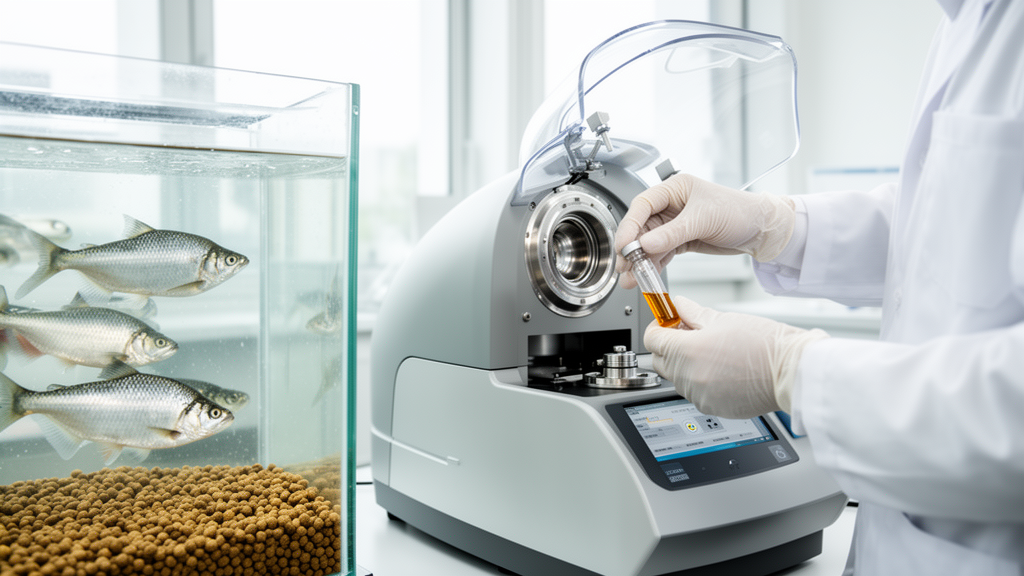
Aquaculture is the fastest-growing food production sector in the world, and a newly published review argues that a molecular technique borrowed from proteomics could help it grow sustainably. The review, published in March 2026 in Aquaculture Science and Management, examines how peptidomics, the large-scale identification and characterization of peptides using advanced analytical methods, can connect the discovery of bioactive peptides to practical applications in fish nutrition, disease management and food security.
Bioactive peptides are short chains of two to fifty amino acids, typically with a molecular weight below ten kilodaltons, that exert biological effects on living organisms. Many of them lie hidden within the folded structure of larger protein molecules and only become active once released by digestion or hydrolysis. The review distinguishes endogenous peptides, produced by cells such as immune, neural and glandular cells, from exogenous peptides that enter the body through food, drugs and dietary supplements. In aquaculture, the most studied categories are antimicrobial peptides, antiviral peptides, antioxidant peptides, immunomodulatory peptides and anti-inflammatory peptides.
The authors frame their work around a perceived gap in the literature. Previous studies, they write, have mostly treated peptidomics and aquaculture as separate domains, focusing on peptide classification, sources or isolated biological effects, while few have demonstrated how peptide detection translates into real-world outcomes such as feed formulation and disease control. Their stated aim is to build a conceptual framework that bridges molecular-level detection to practical outcomes in aquaculture production.
Producing bioactive peptides at usable scale depends on how proteins are broken down. Chemical hydrolysis, using acids or alkalis, is simple and inexpensive but offers poor control over which peptides form, and the harsh conditions of high pH and high temperature can reduce nutritional quality and biological functionality. Enzymatic hydrolysis is the most popular and favoured technique, requiring careful control of pH, temperature, substrate concentration and enzyme activity, and it allows peptides of precise molecular weight and amino acid composition to be targeted. Microbial fermentation offers a cheaper and scalable alternative, with bacterial cultures requiring few nutrients and expressing proteases that simplify extraction. The review notes that enzymes from Aspergillus flavipes and Aspergillus oryzae have been tested on goat and bovine milk, generating peptides with antibacterial and antioxidant properties.
The analytical core of peptidomics is mass spectrometry combined with chromatography. A standard workflow involves sample preparation, liquid chromatographic separation, identification by MALDI-MS or tandem mass spectrometry, and data interpretation using peptide databases and bioinformatics tools. Sample preparation is critical: fish tissues, organs, blood, mucus or protein hydrolysates are ground, centrifuged and enriched for small peptides by filtration or ultrafiltration, with solid-phase extraction and acid additives used to improve purity and prevent enzymatic breakdown. Unlike traditional protein hydrolysis approaches, peptidomics permits direct detection of naturally occurring peptides, including modified peptides and those present only in trace amounts.
Computational tools extend the reach of these laboratory methods. Databases such as BIOPEP and PepBank allow researchers to identify peptides, predict their functions and simulate enzyme-based protein breakdown in silico, which speeds up the selection of candidates with potential antimicrobial, antioxidant or immune-supporting effects. Molecular docking, a structure-based computational approach that simulates binding between peptides and their targets, can rank peptides by predicted binding strength and enable virtual screening. The review also highlights machine learning approaches increasingly used to predict peptide function, toxicity and stability, reducing unnecessary experimental testing.
Sources of bioactive peptides span marine fish, freshwater species and processing waste. Fish peptides have shown antibacterial activity against a range of Gram-positive and Gram-negative bacteria, including Streptococcus iniae, Staphylococcus aureus and Aeromonas hydrophila. Purified peptide fractions from Atlantic salmon viscera have shown antiallergic activity of up to 89.40 percent, while protein hydrolysates from Nile tilapia by-products and yellowfin tuna viscera have shown antibacterial effects, with low-molecular-weight peptides from tuna outperforming high-molecular-weight ones at a minimum inhibitory concentration of 0.5 milligrams per millilitre. Fish processing residues such as heads, frames, skin, viscera and shells, mostly underused or discarded, can be converted through controlled hydrolysis into low-cost functional ingredients, supporting circular bio-economy goals.
On the functional side, the review describes several mechanisms in detail. Antioxidant peptides act through four pathways: scavenging reactive oxygen species, chelating metal ions, preventing lipid peroxidation and triggering antioxidant defense systems. Antimicrobial peptides, the most studied bioactive peptides in aquaculture, disrupt microbial membranes and can also inhibit intracellular processes such as DNA replication, transcription and translation. Fish produce five structural families of antimicrobial peptides: histone-derived peptides, piscidins, beta-defensins, cathelicidins and hepcidins. Immunomodulatory peptides regulate innate immune functions; the peptide BpNKLP40, derived from mudskipper NK-lysin, has been shown to upregulate pro-inflammatory and downregulate anti-inflammatory cytokines in mononuclear and macrophage cells. For growth, examples include alanine-glutamine supplementation improving development in zebrafish fed soybean meal-based diets and reducing the negative impact of ammonia toxicity on juvenile yellow catfish.
Practical deployment remains uneven. The review reports that peptide-rich protein hydrolysates, produced from fish and seafood processing residues, are already being tested at pilot scale and in early commercial aquaculture as partial substitutes for fish meal, with good acceptance and positive effects on nutrient use under controlled conditions. Industrial use, however, is centred on hydrolysates and mixed peptide products rather than purified individual peptides, whose large-scale application is held back by production cost, scale-up difficulties, product stability and regulatory approval. Regulatory frameworks differ widely: the European Union requires scientific review by the European Food Safety Authority under Regulation No. 1831/2003, the United States regulates feed supplements through the FDA with AAFCO support, and in India clear regulatory pathways for bioactive peptides as functional feed additives remain underdeveloped.
The authors conclude that peptidomics offers a structured pathway for converting molecular detections into functional feeds and health-promoting additives, potentially reducing reliance on antibiotics and synthetic additives while strengthening food security. But they are candid about the obstacles: high manufacturing and purification costs, poor peptide stability and bioavailability during processing and storage, undefined regulatory frameworks in many regions, and limited knowledge of long-term ecological effects such as resistance emergence. They call for standardized peptidomics protocols, improved delivery strategies such as micro- and nano-encapsulation, and interdisciplinary collaboration among molecular scientists, feed technologists and aquaculture professionals to turn laboratory peptide observations into farm-level solutions.
Subject of Research: Peptidomics-based identification of bioactive peptides for sustainable aquaculture nutrition and health management
Article Title: Bioactive peptides in aquaculture: a peptidomics approach to food security
Article References: Wani, M. N., Nazir, I., Wali, B., Madne, R., & Asrar, M. (2026). Bioactive peptides in aquaculture: a peptidomics approach to food security. Aquaculture Science and Management, 3(1), Article 5. https://doi.org/10.1186/s44365-026-00033-x
Image Credits: AI Generated
DOI: 10.1186/s44365-026-00033-x
Keywords: aquaculture, bioactive peptides, peptidomics, food security, antimicrobial peptides, fish nutrition, mass spectrometry, functional feeds, immunomodulatory peptides, sustainable aquaculture, fish by-products, feed additives
News Source: Alan Morgan. (October 30, 2026). Peptidomics offers aquaculture a new route to sustainable feeds and food security. Scienmag.