
Nanotechnology Strategies Target Drug-Resistant Tuberculosis Infections with Precision Delivery Platforms
Engineered nanomaterials and responsive delivery platforms provide targeted mechanisms to overcome multidrug-resistant tuberculosis infections.
Engineered nanomaterials and responsive delivery platforms provide targeted mechanisms to overcome multidrug-resistant tuberculosis infections.

A comprehensive narrative review shows that microbial imbalances across genital and gut tissues may actively drive chronic inflammation and tissue ...
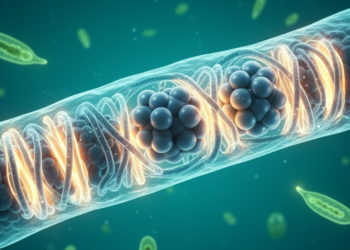
A recombinant trimeric crustin peptide expressed in the microalga Chlamydomonas reinhardtii disrupts bacterial cell membranes and inhibits both Gram-positive and ...

Supervised machine learning algorithms successfully predicted synergistic combinations between antimicrobial peptides and conventional antimicrobial agents using fractional inhibitory concentration data.

Whole genome sequencing of mangrove-derived Bacillus velezensis G7 reveals eight antimicrobial biosynthetic gene clusters and broad-spectrum inhibitory activity against bacterial ...

A systematic review of 122 studies finds that endangered edible species carry exceptionally rich bioactive profiles, including compounds with reported ...

Single-cell genomics reveals that soybean red crown rot is associated with the enrichment of Enterobacterales bacteria carrying genes for resistance ...

Researchers have introduced iAMP-Deep, an alignment-free artificial intelligence framework that combines multimodal sequence embeddings and ensemble learning to discover divergent ...

Researchers report that the antibacterial activity of the bacteriophage K holin depends on coordinated action between its transmembrane domain and ...

A computational pipeline filtered about 1,500 animal-derived antimicrobial peptides down to three candidates that dock strongly against the breast cancer ...
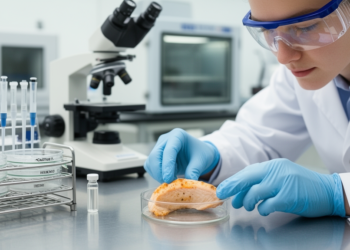
A rationally engineered peptide from black soldier fly larvae showed strong antibacterial activity against Salmonella Typhimurium in laboratory tests and ...

A capsule neural network model called AMP-CapsNet achieved 97.29 percent test accuracy in classifying antimicrobial peptides when using dipeptide composition ...
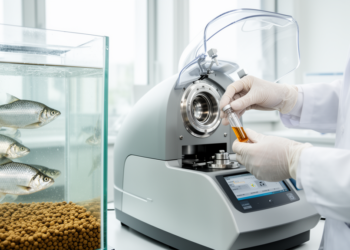
A new review outlines how peptidomics, the large-scale analysis of peptides, could help aquaculture develop sustainable feeds, reduce antibiotic use ...

A critical narrative review finds vaccination and biosecurity are the only livestock alternatives with strong field-scale evidence for reducing antimicrobial ...

A new review reports that bacteria in biofilms can resist antibiotics up to 1,000 times more than planktonic cells, driving ...

A new review argues that yeasts, especially Pichia pastoris, are the leading fungal platforms for scalable recombinant production of antimicrobial ...
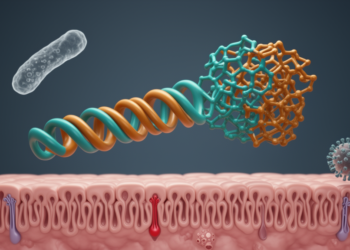
A new computational study reports the design and in-silico evaluation of a chimeric antimicrobial peptide fusing LL-37 and HNP-1 domains ...

A low-abundance nasopharyngeal commensal, Haemophilus paraphrohaemolyticus, produces antimicrobial peptides that selectively target Streptococcus species without harming other airway bacteria or ...
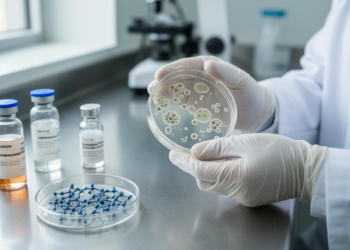
A critical narrative review finds that most non-antibiotic antimicrobial strategies remain preclinical, with only phage therapy, antimicrobial peptides, silver formulations ...

A comprehensive review maps how plants deploy bioactive compounds against pathogens and outlines genetic, nanotech and microbiome strategies to engineer ...