• HOME
  • NEWS
  • EXPLORE
    • CAREER
      • Companies
      • Jobs
    • EVENTS
    • iGEM
      • News
      • Team
    • PHOTOS
    • VIDEO
    • WIKI
  • BLOG
  • COMMUNITY
    • FACEBOOK
    • INSTAGRAM
    • TWITTER
Wednesday, June 24, 2026
BIOENGINEER.ORG
No Result
View All Result
  • Login
  • HOME
  • NEWS
  • EXPLORE
    • CAREER
      • Companies
      • Jobs
        • Lecturer
        • PhD Studentship
        • Postdoc
        • Research Assistant
    • EVENTS
    • iGEM
      • News
      • Team
    • PHOTOS
    • VIDEO
    • WIKI
  • BLOG
  • COMMUNITY
    • FACEBOOK
    • INSTAGRAM
    • TWITTER
  • HOME
  • NEWS
  • EXPLORE
    • CAREER
      • Companies
      • Jobs
        • Lecturer
        • PhD Studentship
        • Postdoc
        • Research Assistant
    • EVENTS
    • iGEM
      • News
      • Team
    • PHOTOS
    • VIDEO
    • WIKI
  • BLOG
  • COMMUNITY
    • FACEBOOK
    • INSTAGRAM
    • TWITTER
No Result
View All Result
Bioengineer.org
No Result
View All Result
Home NEWS Science News Biology

People and plants: Working together for the planet

Bioengineer by Bioengineer
December 5, 2018
in Biology
Reading Time: 2 mins read
0
IMAGE
Share on FacebookShare on TwitterShare on LinkedinShare on RedditShare on Telegram

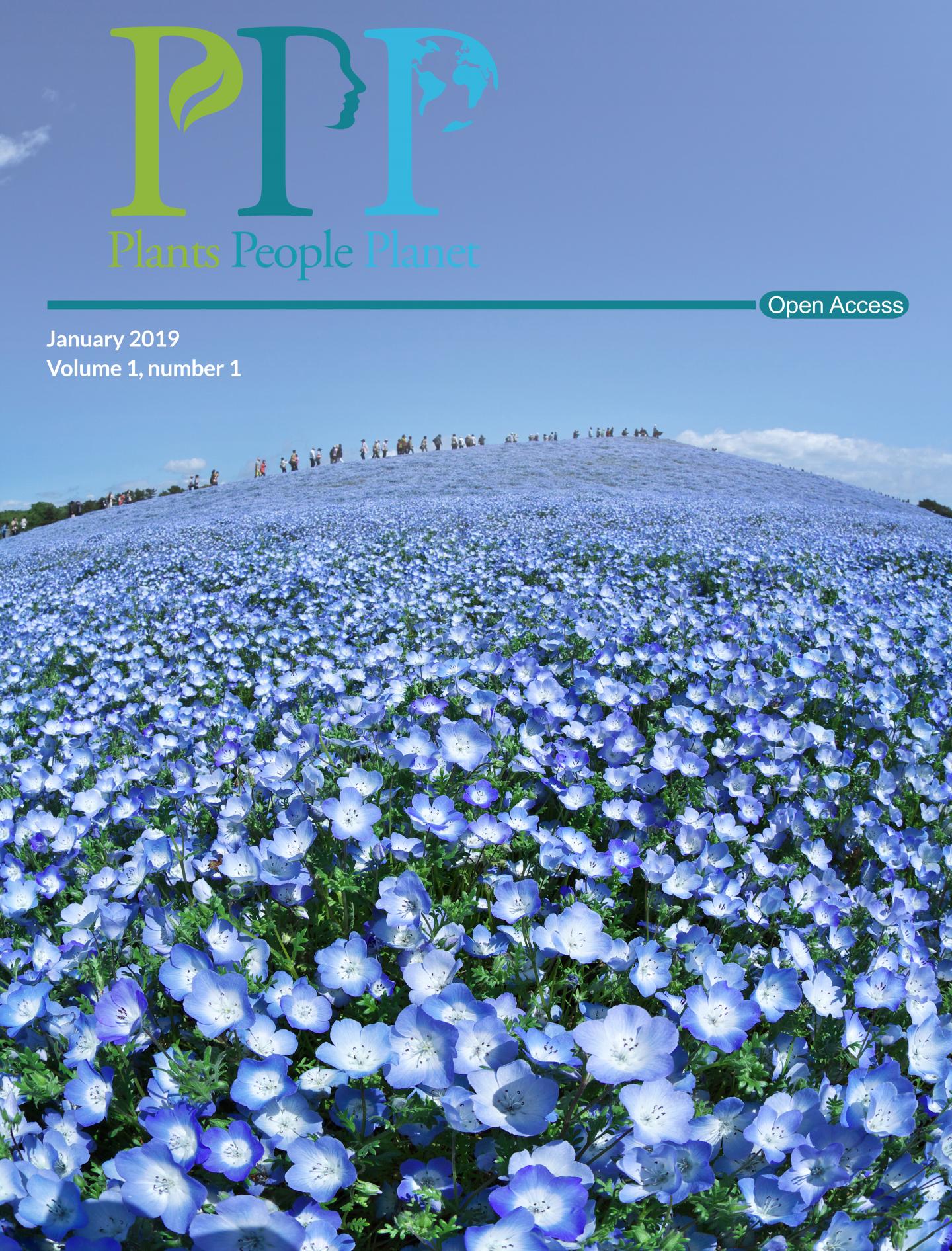
Plants, People, Planet, a new cross-disciplinary Open Access journal, launches today
IMAGE

Credit: Plants, People, Planet / Tetsuo Wada / Aflo.


We rely on plants for food, shelter, fuel and fibres for clothing, for our gardens, landscape, and artistic inspiration. We live on a planet where life is powered by plants through photosynthesis, on land and in the sea; plants connect all of us. Human civilisation exists because of plants.

Plants, People, Planet, a cross-disciplinary Open Access journal, launches today with its first issue. Plants, People, Planet will publish peer-reviewed articles, opinion and review that focuses on the connections between plant science and society. The new journal aims to celebrate everything new, innovative and exciting in plant sciences that is relevant to society and peoples’ daily lives.

Issue 1 of Plants, People, Planet, which will be published today, includes insights into the unbreakable bond between people and plants from Sandra Knapp (Natural History Museum, London), seven ways for plant scientists to protect the planet’s plant diversity by Peter Raven (Missouri Botanical Garden), and the challenge for botanical gardens by Paul Smith (Botanic Gardens Conservation International, BGCI). Chris Thorogood (Oxford Botanical Garden) introduces us to Hydnora, possibly the world’s strangest plant.

Our complex relationship with plants shapes societies, cultures, and the Earth’s ecosystems, resulting in the world as we know it today. As the human race grows the work of plant scientists has never been more important, as it seeks to meet the global challenges of the 21st Century.

Plants, People, Planet will publish emerging plant science that has the potential for impact on society – Societal Impact Statements will highlight how each contributed article is relevant to society. The journal will publish across six themes:

  • Plants and society

  • Plant conservation

  • Plant genomics applications

  • Plant diversity

  • Plants and global change

  • Plant natural assets

Plants, People, Planet is owned and produced by the New Phytologist Trust, the not-for-profit organisation behind the peer-reviewed plant science journal, New Phytologist, which was founded by Sir Arthur Tansley over 100 years ago.

Plants, People, Planet will be available online at: https://nph.onlinelibrary.wiley.com/journal/25722611

###

Media Contact
Bennett Young
[email protected]
44-152-459-4716

Original Source

https://newphytologist.org/img/upload/files/2018-12-03-p3-issue1-news-release.pdf

Tags: AgricultureBiologyBiomedical/Environmental/Chemical EngineeringBiotechnologyClimate ChangeEcology/EnvironmentMycologyPlant Sciences
Share12Tweet8Share2ShareShareShare2

Related Posts

Copal Tree Genetics Reveal Tropical Forest Connectivity — Biology

Copal Tree Genetics Reveal Tropical Forest Connectivity

June 24, 2026
How Intestinal Mucus Influences Klebsiella pneumoniae Colonization and Antibiotic Effectiveness — Biology

How Intestinal Mucus Influences Klebsiella pneumoniae Colonization and Antibiotic Effectiveness

June 24, 2026

From Darkness to Light: How Blind Mexican Cavefish Reveal Brain Evolution

June 24, 2026

Reevaluating the Impact of ‘Yo-Yo Dieting’: Is It Less Harmful Than Commonly Thought?

June 24, 2026
Please login to join discussion

POPULAR NEWS

  • Saying Goodbye to PGY-6: Pediatric Fellowship Realities

    103 shares
    Share 41 Tweet 26
  • Multi-Hospital Study Reveals Long Covid Burden Is Twice as High as Current Estimates

    92 shares
    Share 36 Tweet 23
  • Detection of EDCs in Breast Milk and Infant Urine Up to Six Months Highlights Early Exposure Risks

    77 shares
    Share 31 Tweet 19
  • New Drug Candidate Developed at McMaster Shows Potential for Treating Brain Cancer

    58 shares
    Share 23 Tweet 15

About

We bring you the latest biotechnology news from best research centers and universities around the world. Check our website.

Follow us

Recent News

Light-Based Imaging Advances Promise Enhanced Thyroid Cancer Diagnosis and Fewer Surgeries

Water-Activated PVA Film Transforms from Bioplastic to High-Performance Wood Adhesive

Copal Tree Genetics Reveal Tropical Forest Connectivity

Subscribe to Blog via Email

Enter your email address to subscribe to this blog and receive notifications of new posts by email.

Join 82 other subscribers
  • Contact Us

Bioengineer.org © Copyright 2023 All Rights Reserved.

Welcome Back!

Login to your account below

Forgotten Password?

Retrieve your password

Please enter your username or email address to reset your password.

Log In
No Result
View All Result
  • Homepages
    • Home Page 1
    • Home Page 2
  • News
  • National
  • Business
  • Health
  • Lifestyle
  • Science

Bioengineer.org © Copyright 2023 All Rights Reserved.