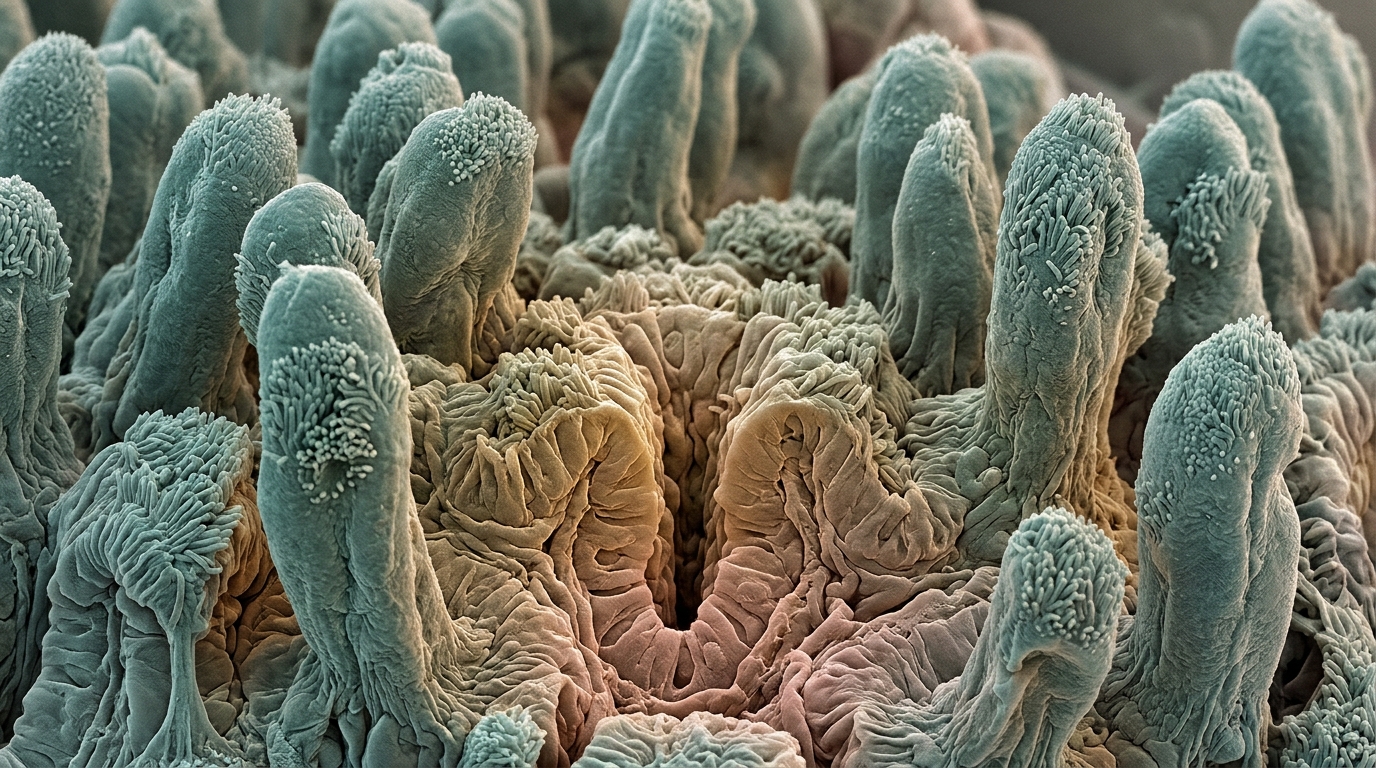
Non-coding RNAs play extensive regulatory roles throughout the occurrence, development, and repair of radiation-induced digestive injury, though current findings derive predominantly from cell and animal models with functional data concentrated largely in intestinal and liver damage, according to a comprehensive scientific review published in Molecular Biology Reports. Authored by Zengyang Fang, Jun Liu, Zhongwei Zhang, Wenxin Xu, Tianjing Cai, and Qing-Jie Liu, the publication systematically synthesizes research progress across the distinct anatomical regions of the digestive system. The authors evaluate how these regulatory molecules participate in cellular responses following exposure to ionizing radiation, summarizing their documented regulatory mechanisms alongside their theoretical prospects as molecular biomarkers and therapeutic targets for mitigating radiation-induced tissue injury.
Radiation therapy remains an indispensable, crucial treatment modality for patients presenting with malignant tumors, but delivering therapeutic radiation doses poses unavoidable challenges for adjacent anatomical structures. Because the digestive system comprises highly radiation-sensitive organs, normal tissues situated immediately adjacent to irradiated tumors remain acutely susceptible to radiation-induced tissue injury. In severe clinical presentations, radiation-induced injury impairs patient quality of life and forces medical teams to interrupt or disrupt essential oncological treatment regimens, emphasizing the urgent need to elucidate biological injury mechanisms and protective pathways across susceptible digestive tissues.
Within normal physiological contexts and tissue recovery, non-coding RNAs serve as vital regulators of tissue homeostasis and injury repair. When tissues are exposed to ionizing radiation, cells across various digestive organs undergo notable changes in their non-coding RNA expression profiles and broader regulatory networks. The authors explain that non-coding RNAs influence the initiation, advancement, and repair of radiation-induced tissue injury across multiple digestive organs by modulating several core biological processes: the DNA damage response, mucosal epithelial regeneration, cell death mechanisms, inflammatory signaling pathways, and fibrotic tissue remodeling.
To capture the biological complexity of radiation-induced digestive damage, the review categorizes published findings according to the specific anatomical regions of the digestive system. By evaluating evidence across individual digestive organs, the authors outline the common regulatory mechanisms shared across different tissues as well as the tissue-specific features of non-coding RNA networks. Clarifying these shared pathways and organ-specific distinctions, alongside identifying pivotal molecular targets, is intended to provide new mechanistic insights necessary for developing interventions aimed at the prevention and targeted treatment of radiation-induced tissue injury.
Despite the expanding literature linking non-coding RNAs to radiation pathology, the review emphasizes that the current body of evidence carries substantial methodological and anatomical limitations. Most existing findings are derived predominantly from in vitro cell models and preclinical animal studies rather than direct clinical observations in human patients. Moreover, functional evidence remains unevenly developed across different digestive structures: while researchers have established comparatively more developed functional evidence in models of radiation-induced intestinal injury and radiation-induced liver injury, mechanistic understanding across other digestive organs remains far more limited.
Looking toward future clinical translation, the authors conclude that ncRNA-based therapeutic interventions face several critical prerequisites that require systematic evaluation before clinical application can be considered. Future investigations must rigorously delineate underlying causal mechanisms rather than correlative associations, establish reliable and selective delivery methods to target vulnerable digestive organs, and define effective therapeutic windows for intervention. Finally, researchers must carefully determine how any non-coding RNA intervention influences tumor response to radiation therapy, ensuring that tissue-protective strategies do not inadvertently impair anti-tumor treatment efficacy or compromise radiation outcomes.
Subject of Research: Non-coding RNAs in radiation-induced digestive injury
Article Title: Role of Non-coding RNAs in radiation-induced digestive injury
Article References: Fang, Z., Liu, J., Zhang, Z., Xu, W., Cai, T., & Liu, Q.-J. (2026). Role of Non-coding RNAs in radiation-induced digestive injury. Molecular Biology Reports, 53(1), Article 1959. https://doi.org/10.1007/s11033-026-13090-1
Image Credits: AI Generated
DOI: 10.1007/s11033-026-13090-1
Keywords: non-coding RNAs, radiation therapy, radiation-induced tissue injury, digestive system, DNA damage response, mucosal epithelial regeneration, cell death, inflammatory signaling, fibrotic remodeling, intestinal injury, liver injury, ionizing radiation, tissue homeostasis, biomarkers, therapeutic targets, selective delivery, therapeutic windows, tumor response
News Source: Drew Townsend. (November 14, 2026). Non-coding RNAs Regulate Radiation Digestive Injury in Cell and Animal Studies. Scienmag.