Chemists have synthesized six new phenyl-1H-pyrazole-carbaldehyde semicarbazone derivatives and combined spectroscopic characterization, density functional theory calculations, and molecular docking simulations to evaluate their structural and computational properties. The compounds, labeled 1 through 6, were characterized using FT-IR, proton and carbon-13 NMR spectroscopy, and mass spectrometry. The study, published in BMC Chemistry, targets three enzymes involved in carbohydrate metabolism: glycogen phosphorylase b (GPb), pancreatic alpha-amylase II (PPA-II), and dipeptidyl peptidase-4 (DPP-4).
NMR analysis conducted in DMSO-d6 revealed that all six compounds adopt a cisE isomeric form in solution. The researchers supported this observation with computational calculations for every compound using DFT at the ωB97XD level of theory with the 6-311++G(d,p) basis set, run in both gas and liquid (DMSO) phases. The computational results agreed with the spectroscopic data, providing independent support for the assigned isomeric configuration.
Beyond confirming the isomeric form, the team carried out a broader computational characterization at the same level of theory. Geometrical parameters were extracted, frontier molecular orbital (FMO) analysis was performed, and molecular electrostatic potential (MEP) mapping was generated, with the computed Gibbs free energy (ΔG) taken into account. The MEP descriptors indicated that the oxygen atom of the carbonyl group (C=O) is susceptible to electrophilic attack, whereas the hydrogen atoms of the amide and hydrazone fragments are prone to nucleophilic attack.
The frontier molecular orbital analysis yielded HOMO–LUMO gaps (Eg) that serve as a proxy for chemical reactivity and stability. According to the calculated values, compound 3 in the liquid phase and compound 5 in the gas phase are the most reactive of the series, while compound 1 is the most stable in both phases. A smaller HOMO–LUMO gap generally corresponds to higher reactivity, while a larger gap indicates greater kinetic stability. These distinctions illustrate how structural differences among the six derivatives translate into measurable differences in computed electronic properties.
Before any docking was attempted, the compounds were screened computationally for pharmacokinetic behavior. Compounds 1 through 6 exhibited favorable ADMET profiles, meaning their predicted absorption, distribution, metabolism, excretion, and toxicity properties fell within acceptable computational ranges. In silico predictions further revealed that compounds 3, 4, and 5, with Pa values greater than 0.5, are potential candidates for antiprotozoal, antiviral, and type 2 antidiabetic activities. The Pa value is a probability measure used in computational activity prediction; such predictions remain computational estimates rather than measured biological results.
The central computational experiment of the study was a set of targeted molecular docking simulations involving compounds 3 and 5 against the three carbohydrate-metabolism enzymes: GPb, PPA-II, and DPP-4. Docking simulations predict how a small molecule positions itself within the active site of a target protein and estimate the binding energy of that interaction. Both compounds demonstrated favorable binding profiles across the enzyme panel. Compound 3 stood out, exhibiting competitive consensus energy distribution and active-site interaction stability.
It is important to be precise about what these results do and do not establish. Docking simulations are computational models of molecular recognition, not measurements of biological effect. A favorable docking profile indicates that a compound is predicted to bind well to a target enzyme’s active site, but it does not demonstrate that the compound inhibits the enzyme in a test tube, in cells, or in any living organism. The authors are explicit on this point: they state that further molecular dynamics simulations, as well as in vitro and in vivo biological assessments, are required to obtain a deeper understanding of the actual therapeutic potential of the studied compounds.
The three enzyme targets chosen for docking are well established in the context of carbohydrate metabolism and glucose regulation. Glycogen phosphorylase b catalyzes the rate-limiting step of glycogen breakdown; inhibiting this enzyme is an investigated strategy for reducing hepatic glucose output. Pancreatic alpha-amylase initiates the digestion of dietary starch, and its inhibition can slow the release of glucose from complex carbohydrates. Dipeptidyl peptidase-4 is the target of an established class of glucose-lowering drugs, because it degrades the incretin hormones that stimulate insulin secretion. A compound predicted to interact favorably with all three enzymes is of interest as a possible multi-target lead, although the docking results alone cannot confirm such activity.
The pyrazole scaffold itself is a recurring motif in medicinal chemistry, and semicarbazone functional groups add hydrogen-bond donors and acceptors that can engage enzyme active sites. The semicarbazone linkage also gives the molecules their characteristic cisE isomeric behavior observed in the NMR experiments. The combination of a pyrazole core, a phenyl substituent, and a semicarbazone arm gives these six derivatives a structural profile that the DFT and MEP analyses suggest is electronically differentiated across the series, with compound 1 on the stable end of the spectrum and compounds 3 and 5 on the more reactive end depending on phase.
For the field, the study contributes a fully characterized set of six new compounds with experimentally validated structures, computationally supported isomeric assignments, favorable predicted ADMET properties, and docking evidence pointing to compounds 3 and 5 as the most promising members of the series against GPb, PPA-II, and DPP-4. The path from these computational findings to any therapeutic claim remains long and requires exactly the follow-up work the authors specify: molecular dynamics simulations to test the temporal stability of the predicted complexes, and in vitro and in vivo biological assessments to determine whether the predicted enzyme interactions correspond to real pharmacological activity. Until those experiments are performed, the results stand as a computational and structural foundation for further research on this compound class.
Subject of Research: Synthesis, DFT characterization, and molecular docking of six novel pyrazole semicarbazone derivatives against GPb, PPA-II, and DPP-4 enzymes
Article Title: Synthesis, DFT studies, and molecular docking of novel pyrazole semicarbazones targeting GPb, PPA-II, and DPP-4 enzymes
Article References: Carrasco, F., Hernández, W., Chupayo, O., Bongiorno, B., Tamayo, J., Guerrero, M., de Oca, J. M., Carrasco, E., Obregón, R., Álvarez, C. M., Ferrero, S., & Yáñez, O. (2026). Synthesis, DFT studies, and molecular docking of novel pyrazole semicarbazones targeting GPb, PPA-II, and DPP-4 enzymes. BMC Chemistry. https://doi.org/10.1186/s13065-026-01936-5
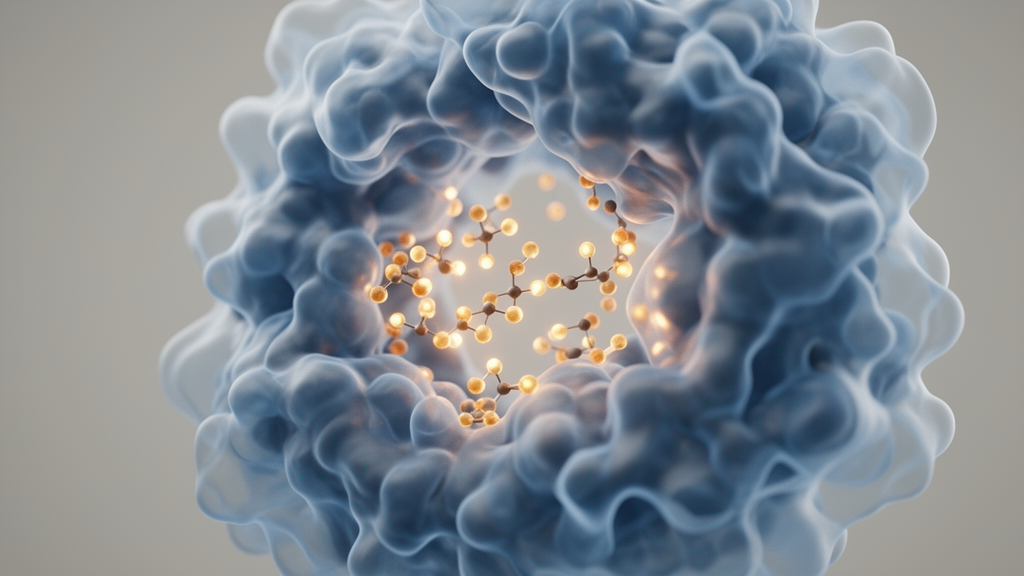
Image Credits: AI Generated
DOI: 10.1186/s13065-026-01936-5
Keywords: pyrazole semicarbazones, molecular docking, DFT calculations, GPb, PPA-II, DPP-4, type 2 diabetes, ADMET prediction, HOMO-LUMO gap, BMC Chemistry, carbohydrate metabolism, medicinal chemistry
News Source: Bethany Barker. (October 30, 2026). New pyrazole semicarbazones show strong docking profiles against diabetes-linked enzymes. Scienmag.