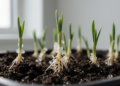
A comparative organellar-genomics study reports the first comprehensive assembly and annotation of the mitochondrial genome of the perennial herb Origanum vulgare. The researchers used HiFi long-read sequencing to assemble a 497,243-base-pair mitogenome containing 57 annotated genes: 39 protein-coding genes, 14 transfer RNA genes and four ribosomal RNA genes. The study also assembled and annotated the species’ chloroplast genome, extending the reported genomic resources available for O. vulgare.
Analysis of the mitochondrial sequence identified nine simple sequence repeats, 26 tandem repeats and 607 dispersed repeats, indicating a structurally variable mitogenome. The researchers also computationally identified 395 candidate RNA-editing sites, most of them at the first or second codon positions. These sites are predictions rather than experimentally verified modifications; the abstract states that transcriptome-based validation will be needed to assess mitochondrial post-transcriptional editing in O. vulgare.
For evolutionary analysis, the study used mitochondrial protein-coding genes from 25 representative species. The resulting phylogenetic analysis placed O. vulgare in close evolutionary relationship with other members of the Lamiales order and highlighted significant genomic rearrangements and adaptive evolution. The supplied abstract does not provide details about the sampled individuals, sampling locations, statistical comparisons or the particular analyses used to infer rearrangement and adaptive signals, so the scope of those conclusions cannot be assessed further from the available material.
The work is presented in an accepted article shared in advance of its final version of record, with further edits still possible. The available evidence is limited to the abstract, which reports computational and comparative findings but does not describe experimental validation of the candidate RNA-editing sites. The results establish an annotated mitogenome and chloroplast-genome resource for O. vulgare and identify features relevant to further study of its organellar genome structure and molecular evolution. The abstract does not establish the functions of the annotated genes or predicted editing sites, nor does it demonstrate effects on medicinal properties, biotechnology or plant breeding.
Subject of Research: Comparative analysis of the Origanum vulgare mitochondrial and chloroplast genomes
Article Title: Mitogenome architecture and evolutionary insights in Origanum vulgare: comparative analysis of structural diversity and repeat-mediated recombination
Article References: Yu, S., Qin, M., Outissint, I., Gong, X., & Tang, M. (2026). Mitogenome architecture and evolutionary insights in Origanum vulgare: comparative analysis of structural diversity and repeat-mediated recombination. BMC Plant Biology. https://doi.org/10.1186/s12870-026-09980-y
Image Credits: AI Generated
DOI: 10.1186/s12870-026-09980-y
Keywords: Origanum vulgare, mitochondrial genome, chloroplast genome, HiFi sequencing, genome assembly, RNA editing, repeat sequences, phylogenetic analysis, Lamiales, comparative genomics, Mitogenome, architecture
News Source: Gavin Prescott. (October 20, 2026). Mitogenome architecture and evolutionary insights in Origanum vulgare: comparative analysis of structural diversity and repeat-mediated recombination. Scienmag.