Oral squamous cell carcinoma remains a significant clinical burden, and progress in metabolic-targeted therapies for the disease has been limited. A new review article in the journal Medical Oncology examines a metabolic strategy that has drawn growing attention: arginine deprivation therapy, in which the enzyme arginase is used to starve susceptible tumor cells of the amino acid they cannot make for themselves.
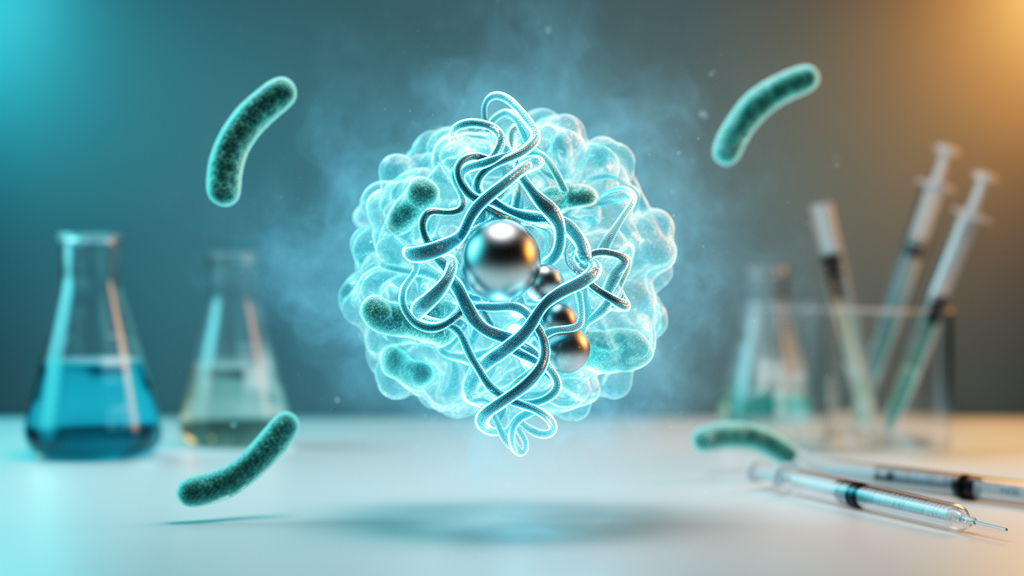
Arginase is a metalloenzyme that hydrolyzes L-arginine into urea and L-ornithine. In recent years the enzyme has shown a promising role in anti-cancer therapy through this deprivation approach. The strategy exploits a metabolic vulnerability: many tumors are arginine-auxotrophic because they downregulate ASS1, the enzyme needed to synthesize arginine from scratch. Among the tumors described as arginine-auxotrophic are hepatocellular carcinoma, melanoma, and subsets of oral cancers, all of which are therefore susceptible to depletion of extracellular arginine.
Recombinant human arginase has advanced into preclinical and clinical trials, but the review notes that issues such as immunological reactions and limited stability have sparked interest in alternative sources of the enzyme. That search has pointed researchers toward the ocean. Marine microorganisms, especially those from deep-sea environments, are known to produce unique and stable enzymes with high catalytic efficiency that are less prone to protein denaturation.
Because of their remarkable stability under harsh conditions and their structural variety, marine microbial arginases have emerged as leading candidates for investigation. The review emphasizes that these enzymes remain active across varying pH, salinity, and temperature ranges, which the authors say offers a versatile platform for protein engineering and therapeutic optimisation.
The article surveys the biochemical and structural properties of arginase and compares microbial and human forms of the enzyme. It also explores the mechanisms of antitumor action attributed to arginase, including tumor cell growth inhibition, angiogenesis modulation, and immune suppression within the tumor microenvironment. The authors identify developments in marine bioprospecting, combination strategies with immunotherapy, and nanoparticle-based delivery as major trends expected to influence future research in this field.
As a review, the article synthesizes existing literature rather than reporting new experimental results, and the therapeutic concepts it describes remain at the preclinical and early clinical stage. The full text is available behind Springer’s subscription paywall, with the abstract accessible to all readers.
Subject of Research: A review of marine microbial arginase as a metabolic therapeutic strategy for oral squamous cell carcinoma
Article Title: Marine microbial arginase: a metabolic therapeutic strategy for oral squamous cell carcinoma
Article References: Priya, R., Ragul, G., Ritika, G., Kannan, K., Ganapathy, D., & Pitchiah, S. (2026). Marine microbial arginase: a metabolic therapeutic strategy for oral squamous cell carcinoma. Medical Oncology, 43(11), Article 343. https://doi.org/10.1007/s12032-026-03456-7
Image Credits: AI Generated
DOI: 10.1007/s12032-026-03456-7
Keywords: arginase, arginine deprivation therapy, oral squamous cell carcinoma, marine microorganisms, ASS1, metabolic therapy, tumor microenvironment, marine bioprospecting, nanoparticle delivery, immunotherapy, Medical Oncology, review article
News Source: Nathaniel Bowman. (October 27, 2026). Marine Microbial Arginase Emerges as a Candidate for Arginine-Depriving Cancer Therapy. Scienmag.