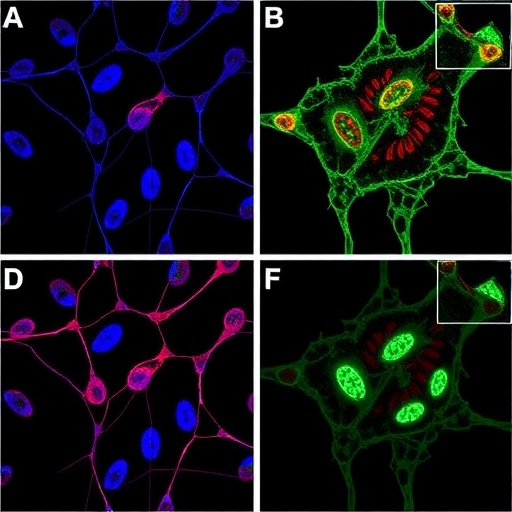
Researchers in the field of cardiovascular biology have recently unveiled a captivating study relating to the protein LRRC8A, which is found in endothelial cells. This protein has emerged as a major player in the management of cardiac hypertrophy that arises due to pressure overload. The findings of this study, published in the journal “Angiogenesis”, point to a previously unrecognized mechanism through which endothelial cells contribute to heart health, hinting at exciting therapeutic strategies for heart disease that could emerge from further research on LRRC8A.
The heart is an organ that is constantly under mechanical stress, particularly in conditions such as hypertension or aortic stenosis. When subjected to such stresses, the heart muscle may undergo hypertrophy—a condition characterized by the thickening of cardiac muscle fibers. This hypertrophy is often detrimental, leading to heart failure and other cardiovascular diseases. Understanding the molecular triggers and pathways involved in cardiac hypertrophy is crucial for developing effective treatments.
LRRC8A, or Leucine-Rich Repeat-Containing Protein 8A, has been known for its role in various physiological processes, particularly in the functioning of ion channels. The recent research indicates that beyond its ion channel functionalities, LRRC8A plays a significant role in endothelial cells by facilitating angiogenesis— the formation of new blood vessels from existing ones. This process is particularly vital in ensuring that tissues receive adequate blood supply, especially when under duress from mechanical strain.
The experiment conducted by Jie, Feng, Zhou, and their colleagues involved subjecting murine models to pressure overload through surgical methods. The resulting cardiac hypertrophy was meticulously monitored, allowing the researchers to assess how manipulation of LRRC8A influenced the hypertrophic response. They found that enhanced expression of LRRC8A in endothelial cells significantly mitigated the hypertrophic response, demonstrating its critical protective role.
What makes LRRC8A especially interesting is its dual functionality. Not only does it help promote angiogenesis, which assures a steady nutrient and oxygen supply to the heart, but it also appears to modulate the signaling pathways involved in cardiac hypertrophy. This suggests that enhancing LRRC8A expression or function could be a dual strategy for preventing adverse cardiac remodeling while simultaneously promoting vascular health.
Another fascinating aspect of this research is the intricate signaling pathways involved. The study points to the potential relationship between LRRC8A and pathways such as the VEGF (Vascular Endothelial Growth Factor) signaling cascade, which is critical for new blood vessel formation. By acting on these pathways, LRRC8A appears to enhance the survival and function of endothelial cells, providing them with resilience against the stresses imposed by hypertension.
Further exploration of the mechanism provides insights into the role of LRRC8A in modulating inflammatory responses as well. Chronic pressure overload often leads to inflammation, which exacerbates hypertrophy and can lead to myocardial damage over time. The findings suggest that LRRC8A’s role in promoting angiogenesis may inherently reduce harmful inflammatory responses, thus providing a two-pronged defense against cardiac hypertrophy.
The implications of these findings could be revolutionary in the field of cardiovascular medicine. While current treatments for cardiac hypertrophy mainly focus on managing symptoms and slowing disease progression, a therapeutic strategy targeting LRRC8A could potentially alter the trajectory of heart disease. By fostering a more resilient endothelial environment, it may be possible to provide long-lasting benefits to individuals suffering from conditions associated with cardiovascular strain.
As experts in cardiovascular research continue to delve deeper, they may discover additional layers to LRRC8A’s functions, broadening our understanding of heart physiology. Investigating the intricate interplay between various proteins, signaling pathways, and cellular functions holds great promise for uncovering new therapeutic targets. Indeed, this research opens avenues for new drug development aimed at maximizing LRRC8A’s protective effects on the heart.
The study not only highlights the importance of fundamental research in understanding the mechanics of cardiac disease but also underscores the potential for translational medicine. As scientists refine their strategies for leveraging LRRC8A functions, we can anticipate potential breakthroughs in cardiovascular therapies that may significantly improve patient outcomes.
In summary, the research conducted by Jie et al. on the endothelial protein LRRC8A offers promising insights into a novel approach for managing cardiac hypertrophy. By promoting angiogenesis, LRRC8A represents a critical player that balances the challenges faced by the heart under pressure overload. Continued investigation of this protein may unlock transformative strategies to combat heart disease and significantly enhance our therapeutic arsenal.
As the scientific community absorbs these findings, attention will inevitably focus on the potential for clinical applications. The quest for innovative therapies to address heart failure and hypertrophy is more pressing than ever, particularly given the global rise in cardiovascular diseases. LRRC8A’s newfound significance could mark a pivotal point in our efforts to combat these pervasive health issues.
In conclusion, the discovery of LRRC8A’s role in mitigating pressure overload-induced cardiac hypertrophy is a significant advancement in cardiovascular research. It bridges our understanding of protein biology and heart health, paving the way for future exploration and innovation. Collaborative efforts across research institutions will undoubtedly enhance the journey toward translating these discoveries into applicable medical therapies, potentially saving countless lives impacted by heart disease.
Subject of Research: Role of LRRC8A in endothelial cells in relation to cardiac hypertrophy and angiogenesis.
Article Title: Endothelial LRRC8A mitigates pressure overload-induced cardiac hypertrophy by promoting coronary angiogenesis.
Article References: Jie, L., Feng, B., Zhou, Y. et al. Endothelial LRRC8A mitigates pressure overload-induced cardiac hypertrophy by promoting coronary angiogenesis. Angiogenesis 29, 7 (2026). https://doi.org/10.1007/s10456-025-10021-9
Image Credits: AI Generated
DOI: https://doi.org/10.1007/s10456-025-10021-9
Keywords: cardiac hypertrophy, LRRC8A, endothelial cells, angiogenesis, cardiovascular disease, signaling pathways.
Tags: angiogenesis and cardiovascular biologycardiac hypertrophy mechanismscardiovascular disease research advancementsendothelial cell contributions to heart functionendothelial cells and heart healthheart failure prevention strategieshypertension and heart muscleLRRC8A protein functionmolecular triggers of cardiac hypertrophypressure overload effects on heartrole of ion channels in heart healththerapeutic strategies for heart disease