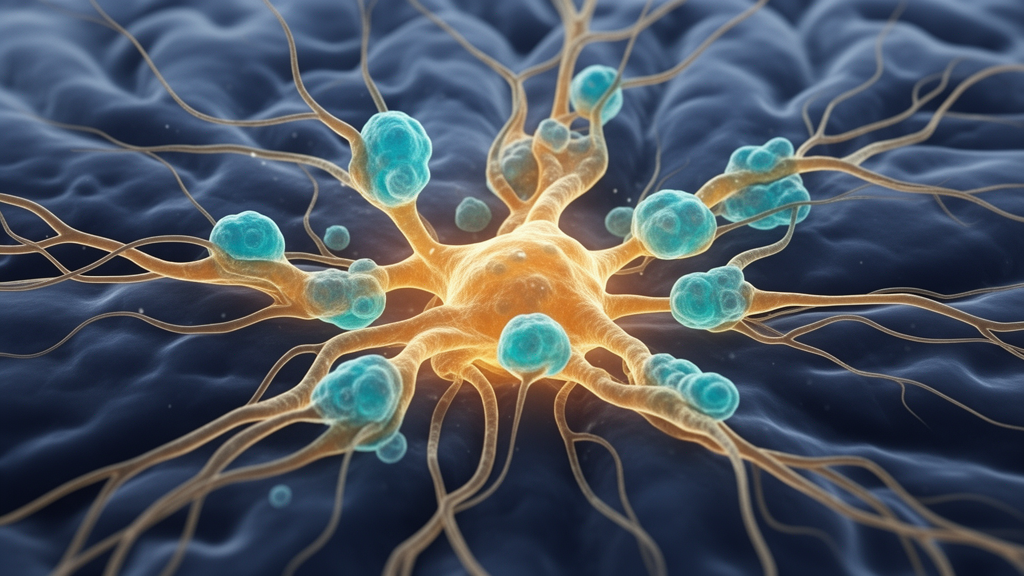
Researchers have identified a mechanism by which inflammatory cells contribute to long-lasting memory dysfunction following an ischemic stroke in older mice. Published in Cell & Bioscience, the study demonstrates that increased synapse elimination by microglia and astrocytes is associated with persistent cognitive deficits in aged animals. The findings suggest that neuroinflammation at the chronic stage of stroke plays a significant role in disrupting neuronal networks and impairing memory function.
The study focused on the impact of microglia- and astrocyte-mediated synapse removal during the chronic phase of ischemic stroke. While previous research established that excessive synapse removal by glial cells contributes to neuronal network disruption during the acute and subacute stages, its role in the chronic stage remained unclear. The team analyzed this process in young mice, aged two months, and old mice, aged between 15 and 18 months, to determine how age influences post-stroke cognitive outcomes.
To induce ischemic stroke, the researchers used permanent occlusion of the distal middle cerebral artery, a method known as dMCAO. In a separate experimental group, a bone fracture was induced by creating a tibia fracture under aseptic conditions six hours before the stroke induction. This bone fracture model was used to test whether prior injury exacerbated cognitive deficits, building on previous findings that such injuries caused long-lasting memory dysfunction in young mice.
The researchers also investigated the potential of pharmacological intervention to mitigate these effects. An alpha-7-nicotinic acetylcholine receptor agonist was administered immediately before the bone fracture and one day after the stroke induction. This treatment was selected based on prior evidence showing that inhibition of inflammation through this receptor agonist could alleviate cognitive deficits in young mice with combined bone fracture and stroke injuries.
Memory function was evaluated weekly for eight weeks using the Y-maze test. The novel object recognition test was conducted one week before and eight weeks after dMCAO. The results indicated that old mice developed long-lasting memory dysfunction that persisted for more than eight weeks. In contrast, young mice did not exhibit the same degree of persistent cognitive impairment.
At eight weeks post-stroke, the team analyzed atrophic volumes, synapse-engulfing astrocytes and microglia/macrophages, RNA expression profiles, neurite length, and dendritic spine density in the peri-atrophic and hippocampal regions. Old stroke mice exhibited larger atrophic volumes, shorter neurite length, and fewer dendritic spines compared to young stroke-only mice. These structural changes were accompanied by an increase in synapse-engulfing astrocytes and microglia/macrophages in the affected brain regions.
Molecular analysis revealed that old stroke mice showed higher upregulation of inflammatory pathways and more downregulation of neurite growth and synaptic transmission pathways than young stroke-only mice. This suggests that the aged brain may be more susceptible to inflammatory-driven synaptic loss. In young mice with the combined bone fracture and stroke model, there were more synapse-engulfing astrocytes and microglia/macrophages in the hippocampal regions compared to young mice with stroke alone.
The administration of the alpha-7-nicotinic acetylcholine receptor agonist reduced the number of synapse-engulfing microglia/macrophages and astrocytes in the hippocampi of the bone fracture plus stroke mice. This finding supports the hypothesis that inhibiting neuroinflammation at the early stage of stroke can reduce synapse loss. The study concludes that enhanced synapse elimination contributes to long-lasting post-stroke memory dysfunction and that early anti-inflammatory treatment may improve post-stroke memory function.
The study provides insights into the cellular mechanisms underlying chronic cognitive deficits after stroke in aged populations.
Subject of Research: Mechanisms of post-stroke memory dysfunction in aged mice
Article Title: Increased synapse elimination by inflammatory cells contributes to long-lasting post-stroke memory dysfunction in old mice
Article References: Shabani, Z., Pan, P., Li, Q., Wang, Z., Leng, K., Sangras, S., Huo, K., Yadav, A., Wang, C., Shi, J., Liang, R., Chinn, G., Kyritsis, N., Ferguson, A. R., Hellman, J., & Su, H. (2026). Increased synapse elimination by inflammatory cells contributes to long-lasting post-stroke memory dysfunction in old mice. Cell & Bioscience. https://doi.org/10.1186/s13578-026-01638-4
Image Credits: AI Generated
DOI: 10.1186/s13578-026-01638-4
Keywords: ischemic stroke, memory dysfunction, neuroinflammation, synapse elimination, microglia, astrocytes, aged mice, alpha-7-nAChR, hippocampus, cognitive deficits, Increased, synapse
News Source: Cassandra Pierce. (November 9, 2026). Inflammatory Cells Drive Chronic Memory Loss After Stroke in Old Mice. Scienmag.