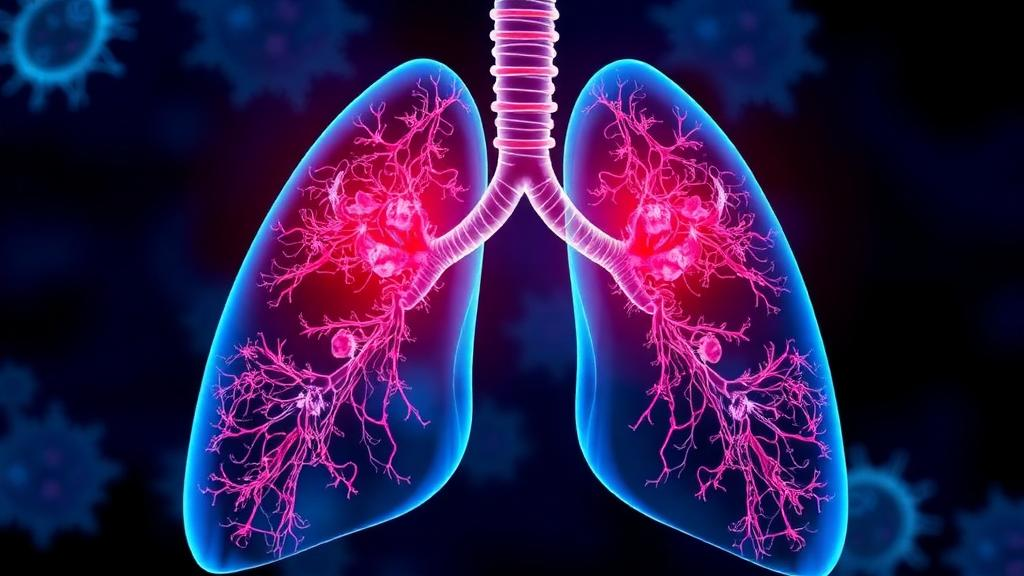
Heat shock protein 90, the molecular chaperone that keeps many cancer-driving proteins stable and functional, may be more than a single target. A review published in Molecular Biology Reports examines how the four HSP90 isoforms found in cells — HSP90α, HSP90β, GRP94 and the mitochondrial paralog TRAP1 — play distinct roles in lung cancer, and argues that exploiting those differences could yield therapies that are both more effective and less toxic.
According to the review, the isoforms are not interchangeable. HSP90α is associated with invasiveness and metastasis, the processes by which cancer cells spread beyond the original tumour. HSP90β, by contrast, sustains homeostatic oncogenic signalling, maintaining the steady-state growth programs that tumour cells rely on. TRAP1, located in mitochondria, acts as what the authors call a metabolic lynchpin: it supports metabolic reprogramming, protects mitochondria under stress, and helps cancer cells resist apoptosis, the programmed cell death that many therapies attempt to trigger.
Together, these chaperones stabilize key drivers of lung cancer, including the receptors and signalling proteins EGFR, ALK and KRAS. By keeping such client proteins folded and mature, the HSP90 system fosters therapeutic resistance, a central obstacle in treating the disease. The review draws on systems biology, bioinformatics and comparative analysis of experimental studies, and highlights high-throughput work identifying HSP90 isoforms as central “hub genes” within the lung cancer interactome — network positions that make them influential points of control.
On the therapeutic side, the authors explore two strategies designed to minimize systemic toxicity: isoform-selective inhibitors that would target only the chaperone variants driving malignancy, and mitochondrial-targeted drug delivery systems aimed at reaching TRAP1 where it operates. The review concludes that understanding isoform-specific dynamics and multi-omics regulatory networks is essential for developing personalized, selective interventions to overcome drug resistance and improve lung cancer management. As a synthesis of existing experimental literature rather than a clinical trial, the work maps a research agenda; translating isoform-selective chaperone biology into approved treatments will require the validation steps that separate laboratory insight from patient benefit.
Subject of Research: The roles of HSP90 chaperone isoforms in lung cancer progression, metabolic reprogramming and therapeutic resistance
Article Title: Molecular mechanisms, functional diversity, and therapeutic implications of HSP90 isoforms in lung cancer
Article References: Janani, K. P., Lalithammbika, S. K., & Praveen Kumar, P. K. (2026). Molecular mechanisms, functional diversity, and therapeutic implications of HSP90 isoforms in lung cancer. Molecular Biology Reports, 53(1), Article 1850. https://doi.org/10.1007/s11033-026-13089-8
Image Credits: AI Generated
DOI: 10.1007/s11033-026-13089-8
Keywords: HSP90, lung cancer, molecular chaperones, TRAP1, drug resistance, EGFR, KRAS, isoform-selective inhibitors, mitochondrial drug delivery, oncogenic signalling, Molecular, mechanisms
News Source: Nathaniel Bowman. (October 29, 2026). HSP90 Chaperone Isoforms Emerge as Precision Targets in Lung Cancer. Scienmag.