Sarbecovirus-positive horseshoe bats show a consistent restructuring of their gut bacterial communities, according to a new study of Rhinolophus shameli roosting in northeastern Cambodia. The research, published in the journal Animal Microbiome, combined full-length 16S rRNA gene sequencing of fecal samples with arthropod DNA metabarcoding to examine how infection status relates to both microbiome structure and diet in a natural coronavirus reservoir host.
Sarbecoviruses, a subgenus of Betacoronavirus, can infect both the respiratory and gastrointestinal tracts of their hosts, raising the possibility that they interact with gut microbial communities. Yet ecological signatures of infection in wild reservoirs such as bats have remained poorly understood. To address this gap, the researchers collected fecal samples across both dry and wet seasons in 2023 and 2024, allowing them to assess microbiome and dietary patterns under varying environmental conditions.
The team found that Sarbecovirus-positive bats exhibited alpha diversity comparable to that of uninfected individuals. In other words, the overall number and evenness of bacterial species in the gut did not simply collapse with infection. Instead, the infected animals showed consistent shifts in gut community composition alongside increased interindividual variability, a pattern the authors link to the Anna Karenina Principle, in which disturbed biological communities vary more from one individual to another. This suggests infection-associated destabilization of community assembly rather than a loss of diversity.
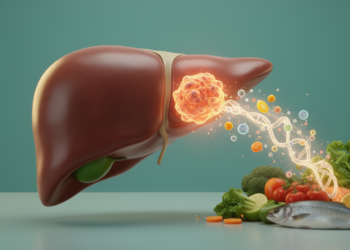
Infection status was also associated with enrichment of particular bacterial taxa, notably Shigella and Escherichia species. These genera have been linked to inflammatory or epithelial stress states in bats, making their increased abundance a potential indicator of the physiological conditions accompanying viral detection in the gut.
Diet, by contrast, did not explain the microbiome differences. Dietary composition showed no consistent compositional structuring by infection status, and only weak coupling with bacterial community structure. The authors conclude that diet is unlikely to be the underlying driver of the infection-associated microbiome signal they observed, strengthening the interpretation that the shifts relate to infection itself rather than to bats simply eating different foods.
The study is careful to note its limits. Although the associations were measurable and consistent, causal directionality cannot be inferred from this kind of observational work. It remains unclear whether Sarbecovirus infection destabilizes the gut community, whether an altered microbiome makes bats more susceptible to infection, or whether both are shaped by a third factor. The samples came from a single host species at roost sites in northeastern Cambodia over two seasons, so broader generalization across reservoir species and regions will require further study.
Even so, the findings carry practical implications for wildlife disease surveillance. Because the microbiome signature appeared consistently across seasons, the authors suggest that microbiome profiling could serve as a monitoring tool for disease processes in wild reservoir populations, potentially flagging infection-associated changes without requiring direct viral detection in every animal.
The work also adds to a growing body of research on bat coronaviruses in Southeast Asia. Related studies include work on the genetic diversity of sarbecoviruses isolated from microbats in southern Japan and the characterization of novel SARS-CoV-2-related viruses in bats from Cambodia, underscoring the region’s importance for understanding the ecology of these viruses in their natural hosts.
By documenting measurable and consistent microbiome restructuring associated with Sarbecovirus detection in a free-ranging reservoir host, the study provides a foundation for future work disentangling the direction of the relationship between viral infection and gut community assembly, and for exploring whether such microbial signatures can be used more widely in monitoring wildlife disease.
Subject of Research: Associations between Sarbecovirus infection status, gut microbiome structure and diet in wild Cambodian horseshoe bats
Article Title: Sarbecovirus-associated gut microbiome heterogeneity in a natural bat reservoir
Article References: Van Leeuwen, P., Guillebaud, J., Voinson, M., Hoem, T., Hoem, S., Nuon, S., André, A., Karlsson, E., Duong, V., Cappelle, J., & Michaux, J. (2026). Sarbecovirus-associated gut microbiome heterogeneity in a natural bat reservoir. Animal Microbiome. https://doi.org/10.1186/s42523-026-00632-y
Image Credits: AI Generated
DOI: 10.1186/s42523-026-00632-y
Keywords: Sarbecovirus, bat microbiome, Rhinolophus shameli, Cambodia, 16S rRNA sequencing, gut microbiome, coronavirus reservoirs, Anna Karenina Principle, wildlife disease surveillance, diet metabarcoding, Sarbecovirus-associated, microbiome
News Source: Morgan Morrow. (October 29, 2026). Gut Microbiome Shifts Tied to Sarbecovirus Infection in Wild Cambodian Bats. Scienmag.