

• HOME
  • NEWS
  • EXPLORE
    • CAREER
      • Companies
      • Jobs
    • EVENTS
    • iGEM
      • News
      • Team
    • PHOTOS
    • VIDEO
    • WIKI
  • BLOG
  • COMMUNITY
    • FACEBOOK
    • INSTAGRAM
    • TWITTER
Friday, October 30, 2026
BIOENGINEER.ORG
No Result
View All Result
  • Login
  • HOME
  • NEWS
  • EXPLORE
    • CAREER
      • Companies
      • Jobs
        • Lecturer
        • PhD Studentship
        • Postdoc
        • Research Assistant
    • EVENTS
    • iGEM
      • News
      • Team
    • PHOTOS
    • VIDEO
    • WIKI
  • BLOG
  • COMMUNITY
    • FACEBOOK
    • INSTAGRAM
    • TWITTER
No Result
View All Result
Bioengineer.org
No Result
View All Result
Home NEWS Science News Biology

Wild Lion Gut Microbiome Yields Hundreds of Novel Microbial Genomes

by
October 30, 2026
in Biology
Reading Time: 2 mins read
0
Wild Lion Gut Microbiome Yields Hundreds of Novel Microbial Genomes

Wild Lion Gut Microbiome Yields Hundreds of Novel Microbial Genomes

Share on FacebookShare on TwitterShare on LinkedinShare on RedditShare on Telegram

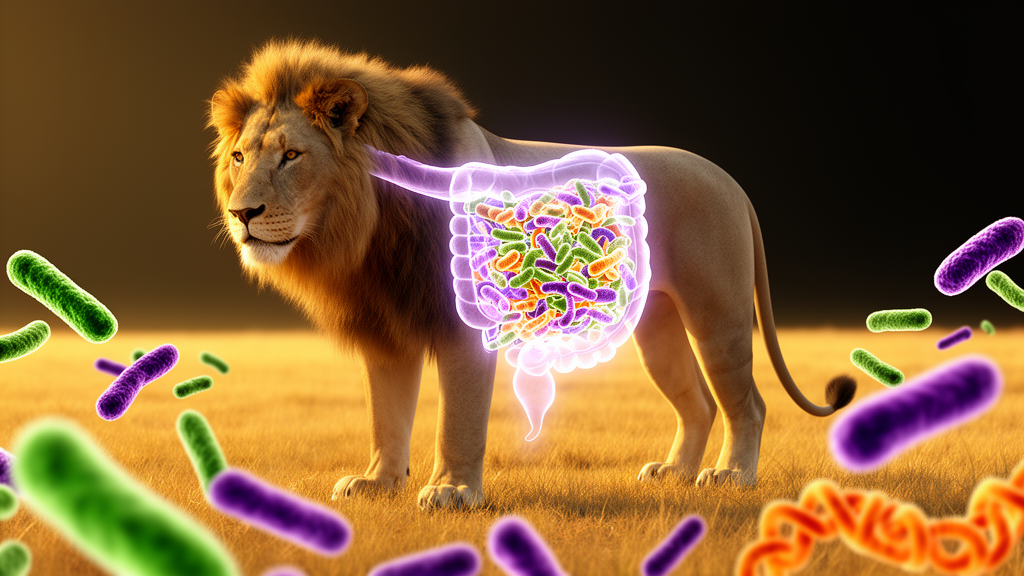
The first comprehensive gut microbiome analysis of free-living African lions has revealed a microbial community dominated by Bacteroides and Phocaeicola, along with more than 300 largely novel metagenome-assembled genomes that substantially fill gaps in existing carnivore reference databases. The study, published in Animal Microbiome, examined 23 fresh faecal samples from 20 individual lions in Etosha National Park, Namibia, and provides the first in-depth description of the microbial taxa inhabiting the gut of Panthera leo melanochaita in the wild.

The African lion gut proved to be dominated by two related genera, Bacteroides at 22.1 percent and Phocaeicola at 13.3 percent. This composition contrasts sharply with previous studies of captive lions, in which Fusobacterium or Bacillota predominated. The researchers attribute this divergence likely to dietary differences, captivity effects and possibly allopatric separation between populations. Earlier lion microbiome studies had focused primarily on small numbers of captive individuals of Asian origin maintained on controlled diets, reporting Fusobacteriota and Firmicutes as the dominant phyla, and genome-resolved analyses of wild African lions had remained lacking.

A central contribution of the work lies in its genome-resolved approach. By combining short- and long-read sequencing, the team reconstructed 318 bacterial and 102 viral metagenome-assembled genomes, or MAGs, from the lion faecal samples. Most of these MAGs shared less than 95 percent average nucleotide identity with existing reference genomes, indicating that they represent largely novel species. When the researchers supplemented the GTDB reference database with their newly reconstructed MAGs, the proportion of unclassified reads dropped from 24.5 percent to 4.5 percent, a result the authors say demonstrates substantial gaps in existing carnivore gut microbiome databases.

The dominance of Bacteroidaceae genera was consistent with patterns observed in other pack-hunting carnivores with high-protein diets, although the authors note notable variation across lion populations and study contexts, including a parallel study conducted in the same ecosystem.

The study’s authors emphasise that the discovery of over 300 novel MAGs significantly expands microbial reference databases and underscores how little-studied apex carnivore microbiomes remain. As an open-access research article published on 18 September 2026, the study marks a shift from small captive cohorts toward genome-level characterisation of microbiomes in wild African carnivores, offering both a reference resource for future microbial discovery and a baseline for monitoring one of the continent’s most iconic threatened predators.

Subject of Research: Gut microbiome composition and novel metagenome-assembled genomes in free-living African lions in Etosha National Park, Namibia

Article Title: The gut microbiome profile of lions in Etosha National Park, Namibia

Article References: Belger, C., Wirbel, J., Maghini, D., Carstens, N., Coller, A. V., Beasley, J. C., Melzheimer, J., Berkman, A. Y., Strauss, W. M., Hetem, R. S., & Hazelhurst, S. (2026). The gut microbiome profile of lions in Etosha National Park, Namibia. Animal Microbiome. https://doi.org/10.1186/s42523-026-00629-7

Image Credits: AI Generated

DOI: 10.1186/s42523-026-00629-7

Keywords: African lion, gut microbiome, metagenome-assembled genomes, Etosha National Park, Namibia, carnivore nutrition, Bacteroides, Phocaeicola, GTDB database, wildlife conservation, purine metabolism, Animal Microbiome

News Source: Morgan Morrow. (October 30, 2026). Wild Lion Gut Microbiome Yields Hundreds of Novel Microbial Genomes. Scienmag.


Tags: African lionAnimal MicrobiomeBacteroidescarnivore nutritionEtosha National ParkGTDB databaseGut microbiomemetagenome-assembled genomesNamibiaPhocaeicolapurine metabolismwildlife conservation
Share12Tweet7Share2ShareShareShare1

Related Posts

Microbial Sources and Stress Shape the Hidden Endophytes of an Invasive Plant

Microbial Sources and Stress Shape the Hidden Endophytes of an Invasive Plant

October 30, 2026
Firebreaks Leave Lasting Scars in Grasslands While Wildfire Heals Fast

Firebreaks Leave Lasting Scars in Grasslands While Wildfire Heals Fast

October 30, 2026

Hidden Peptides in Non-Coding RNAs Reshape Cardiovascular Biology

October 30, 2026

Phage K Holin’s C-Terminal Region Shapes Antibacterial Activity, Study Finds

October 30, 2026

POPULAR NEWS

  • Microbial Sources and Stress Shape the Hidden Endophytes of an Invasive Plant

    Microbial Sources and Stress Shape the Hidden Endophytes of an Invasive Plant

    29 shares
    Share 12 Tweet 7
  • Firebreaks Leave Lasting Scars in Grasslands While Wildfire Heals Fast

    29 shares
    Share 12 Tweet 7
  • ZNF207 shields glutamine transporter ASCT2 from degradation to fuel liver cancer growth

    29 shares
    Share 12 Tweet 7
  • Systematic review maps sustainability tensions in offshore wind development

    29 shares
    Share 12 Tweet 7

About

We bring you the latest biotechnology news from best research centers and universities around the world. Check our website.

Follow us

Recent News

Microbial Sources and Stress Shape the Hidden Endophytes of an Invasive Plant

Firebreaks Leave Lasting Scars in Grasslands While Wildfire Heals Fast

ZNF207 shields glutamine transporter ASCT2 from degradation to fuel liver cancer growth

Subscribe to Blog via Email

Enter your email address to subscribe to this blog and receive notifications of new posts by email.

Join 86 other subscribers
  • Contact Us

Bioengineer.org © Copyright 2023 All Rights Reserved.

Welcome Back!

Login to your account below

Forgotten Password?

Retrieve your password

Please enter your username or email address to reset your password.

Log In
No Result
View All Result
  • Homepages
    • Home Page 1
    • Home Page 2
  • News
  • National
  • Business
  • Health
  • Lifestyle
  • Science

Bioengineer.org © Copyright 2023 All Rights Reserved.
