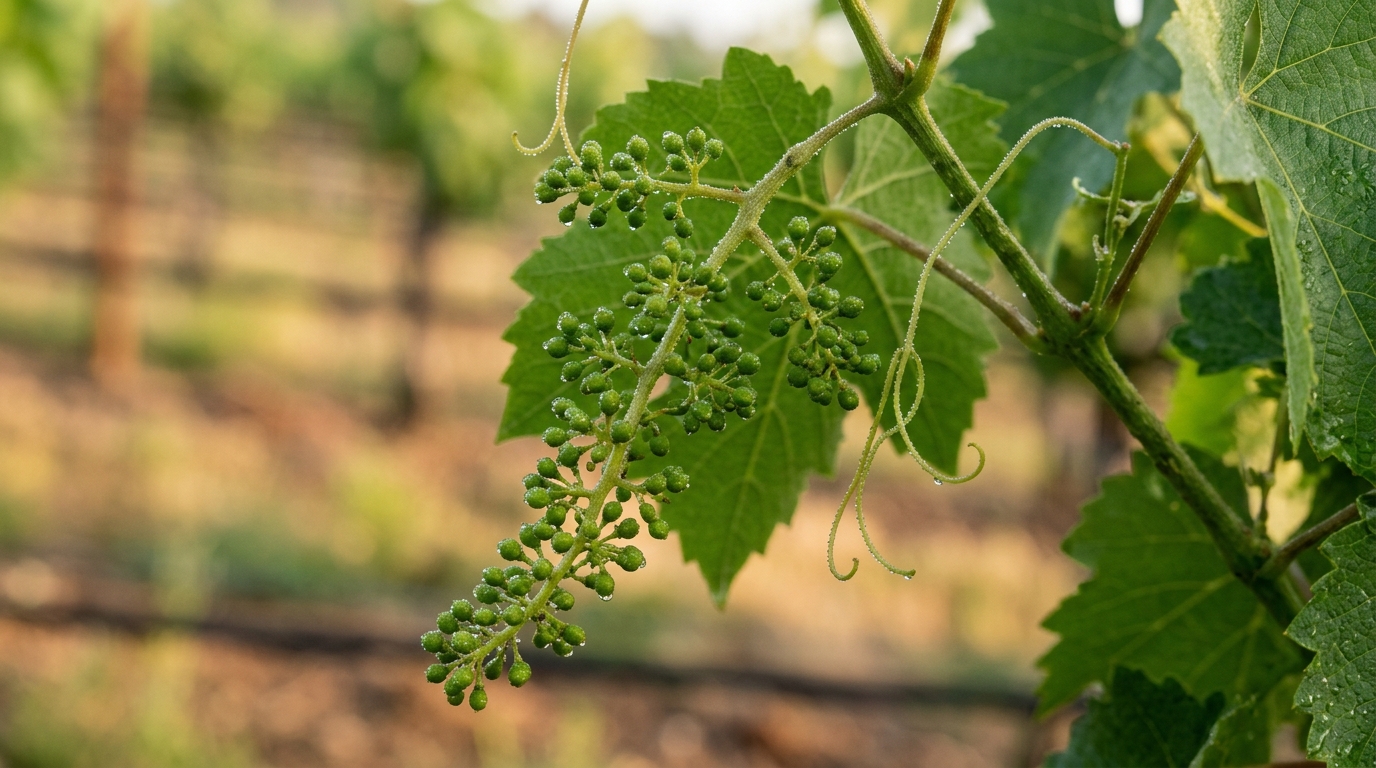
Researchers have generated a transcriptome dataset for the table grape cultivar Sistan Yaghooti, sequencing cluster tissues collected at three developmental stages from vines treated with gibberellin and from untreated controls. The work, published in BMC Genomic Data, produced 380,460,946 paired-end reads of 101 base pairs using libraries prepared with the TruSeq Stranded Total RNA (plant) kit and sequenced on an Illumina HiSeq 2500 platform. The sequencing data are openly available in the NCBI Sequence Read Archive under accession PRJNA1098654.
Cluster compactness is a major agronomic trait in table grapes because it influences fruit quality and susceptibility to disease, making the molecular basis of bunch architecture a target for breeding programs. The Sistan Yaghooti cultivar, studied here in Vitis vinifera, provided the tissue for the profiling effort, which was designed to capture transcriptional activity during cluster development and to examine how gibberellin treatment relates to gene and transcript expression in the sampled stages.
Beyond standard gene expression measurement, the analysis catalogued several classes of non-coding and alternatively processed transcripts. The researchers identified 19,194 alternative splicing events, 2,021 long non-coding RNAs and 3,715 high-confidence circular RNAs across the developmental stages. These transcript classes can add regulatory layers to the coding genome, and their documentation in a single cultivar under a hormone treatment gives other groups a starting point for functional studies of cluster formation.
Read quality, mapping rates to the PN40024 reference genome and assembly metrics were reported as indicators of high technical quality for the dataset. Mapping to a well-characterized reference genome allows the reads from this cultivar to be placed in a genomic context shared with the broader grape research community, which supports reuse of the data for comparative analyses across Vitis genotypes and treatments.
The authors describe the resource as a foundation for dissecting the molecular basis of cluster formation and compactness in Sistan Yaghooti grape, with anticipated applications in marker discovery and breeding strategies aimed at improving bunch architecture and fruit quality. Because the dataset is openly shared, laboratories without sequencing capacity can reanalyze the reads, validate candidate transcripts or integrate them with genetic maps linking traits to genomic regions.
The study appears as an open access Research article, published on 4 November 2026, and was shared early to provide faster access to the peer-reviewed, accepted version, which carries a permanent DOI and remains citable while subject to further edits before the final Version of Record replaces it. The author team includes Abbasali Emamjomeh, Mahmood Solouki, Yasoub Shiri and Shahla Sahraei, affiliated with multiple institutions.
For grape geneticists, the combined measurement of messenger RNA splicing, long non-coding RNAs and circular RNAs in the same tissue series is notable, since most cultivar-focused studies report only one transcript class. The inclusion of both gibberellin-treated and control vines at each of the three stages also allows downstream users to separate stage-associated transcriptional patterns from treatment-associated ones, provided they account for the experimental design when reanalyzing the deposited reads.
The dataset’s value will depend on independent validation of the identified transcript classes, particularly the circular RNAs, which require careful computational filtering; the authors’ designation of 3,715 events as high-confidence reflects that filtering step. Researchers interested in cluster compactness genetics can now query the SRA accession directly, align the reads against their preferred genome annotations and test whether the reported alternative splicing events and non-coding RNAs correspond to functional regulators of the trait.
Subject of Research: Transcriptome profiling of developing grape cluster tissues under gibberellin treatment
Article Title: Transcriptome profiling of cluster tissues during developmental stages in Vitis vinifera cv. Sistan Yaghooti cultivar under gibberellin treatment
Article References: Emamjomeh, A., Solouki, M., Shiri, Y., & Sahraei, S. (2026). Transcriptome profiling of cluster tissues during developmental stages in Vitis vinifera cv. Sistan Yaghooti cultivar under gibberellin treatment. BMC Genomic Data. https://doi.org/10.1186/s12863-026-01498-4
Image Credits: AI Generated
DOI: 10.1186/s12863-026-01498-4
Keywords: Vitis vinifera, transcriptomics, RNA-seq, gibberellin, alternative splicing, long non-coding RNA, circular RNA, cluster compactness, table grape, NCBI SRA, BMC Genomic Data, Transcriptome
News Source: Gregory Coleman. (November 6, 2026). Grapevine transcriptome atlas maps RNA diversity in developing clusters under gibberellin. Scienmag.