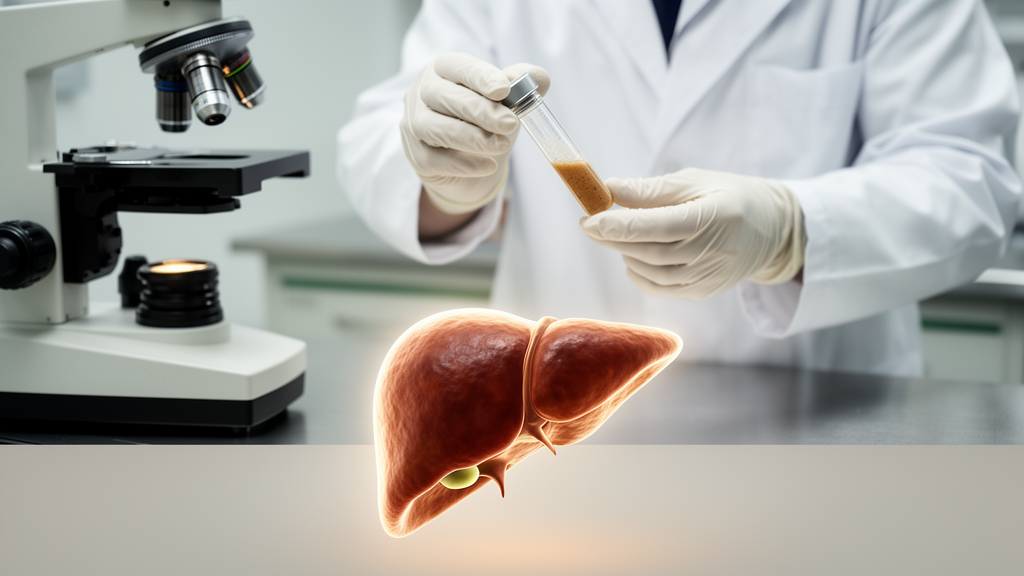
Fecal microbiota transplantation is being investigated as a potential treatment for non-alcoholic fatty liver disease, a condition estimated to affect approximately a quarter of the general adult population worldwide and for which there is a lack of proven or registered pharmacotherapy to reduce the disease burden. A new narrative review published in Frontiers in Cellular and Infection Microbiology pulls together the clinical and mechanistic evidence accumulated so far, and its central message is double-edged: lean patients appear to respond far better to the procedure than obese ones, yet a successfully engrafted donor microbiome does not guarantee that the liver actually benefits.
The search strategy paired fecal microbiota transplantation terms with the full range of fatty liver disease nomenclature, including NAFLD, MASLD, MASH and NASH, and captured 1,465 English-language articles published within the last ten years up to 8 January 2026. Two independent authors screened titles and abstracts, with discrepancies adjudicated by the corresponding author.
Non-alcoholic fatty liver disease, recently renamed under overlapping nomenclature as metabolic dysfunction-associated fatty liver disease or steatotic liver disease, is defined by more than 5 percent fat by volume in the liver and spans a spectrum from isolated steatosis to non-alcoholic steatohepatitis. Its prevalence climbs steeply in high-risk groups: an estimated 55 percent among people with type 2 diabetes and over 90 percent among those with obesity. Researchers have projected that NAFLD may become the most common indication for liver transplantation by 2030, underscoring the urgency of finding new treatments.
The gut microbiome has been repeatedly implicated in fatty liver pathology through mechanisms such as bile acid modulation, which is precisely why transplanting a healthy donor’s microbial community into a patient’s intestine has attracted attention. Fecal microbiota transplantation, whether allogenic from a healthy donor or autologous from the patient’s own stool, is already used to treat Clostridioides difficile infection and has shown promise in inflammatory bowel disease and metabolic syndrome. Donor screening under current guidelines excludes a long list of enteric pathogens, antibiotic-resistant bacteria and parasites before material is transplanted.
A recurring finding in the review concerns body habitus. Evidence from multiple published studies indicates that lean NAFLD patients, or those receiving FMT from lean donors, respond more sensitively to the treatment in both metabolic and microbiomic terms than obese counterparts. Lean patients also showed significantly greater increases in Actinobacteria at the phylum level, Desulfovibrionales at the order level and Tannerellaceae at the family level, suggesting the microbial community structure in lean individuals is more amenable to reshaping.
Metabolic readouts were also reported in these studies. Additional discriminative metabolites tied to glycerolipid metabolism and choline-derived lipids also differed between the two groups.
Microbiomic shifts extend beyond the gut itself. These epigenetic changes may act as a hepatic regulator responding to gut-microbiota-derived signals.
Yet the review’s most sobering section addresses the gap between engraftment and clinical benefit. Species engraftment fraction, which measures the proportion of donor species present in patients after FMT excluding those already there beforehand, appeared donor-specific but not response-specific. In other words, even when donor microbiota demonstrably take hold, improvements in liver fat content, lipid profiles, liver biochemistry or glucose tolerance may still fail to materialize.
The authors propose a mechanistic explanation rooted in the diseased hepatic environment itself. Elevated bile acid concentrations refluxing into the intestine, systemic hyperglycemia and heightened portal pressure all modify the luminal environment in ways that reduce the engraftment success of donor species. Dysbiosis in NAFLD leads to barrier dysfunction, increased intestinal permeability, translocation of microbial products such as lipopolysaccharides, decreased short-chain fatty acid and bile acid production, immune imbalance and activation of pro-inflammatory pathways that promote steatosis, inflammation and fibrosis. Successful colonization may even increase SCFA-producing taxa without conferring benefit, because propionate and acetate exert dual effects in fatty liver disease, and bile acid recovery depends on specific strains plus sufficient liver function.
The review closes with a candid inventory of limitations. Sample sizes in existing clinical studies are grossly underpowered to detect meaningful changes in primary hepatic endpoints, particularly fibrosis regression. Liver biopsy, the reference standard for diagnosis, has been performed only occasionally in FMT-NAFLD studies, and no study to date has found a change in clinically meaningful outcomes such as steatosis or fibrosis grade. Protocols for donor screening, dose number, delivery route and preparation vary widely across trials, and most enrolled patients as a broad category without stratifying by disease stage, BMI phenotype or metabolic comorbidities. The authors conclude that FMT remains a potential therapeutic strategy for NAFLD, but one whose clinical efficacy and long-term benefits warrant further investigation through properly designed randomized controlled trials.
Subject of Research: Fecal microbiota transplantation as an experimental treatment for non-alcoholic fatty liver disease
Article Title: Therapeutic opportunities of fecal microbiota transplantation in the treatment of non-alcoholic fatty liver disease
Article References: Chen, Y., Li, Y., Li, X., Xu, X., & Chen, S. (2026). Therapeutic opportunities of fecal microbiota transplantation in the treatment of non-alcoholic fatty liver disease. Frontiers in Cellular and Infection Microbiology, 16, Article 1962509. https://doi.org/10.3389/fcimb.2026.1962509
Image Credits: AI Generated
DOI: 10.3389/fcimb.2026.1962509
Keywords: fecal microbiota transplantation, non-alcoholic fatty liver disease, gut microbiome, engraftment, liver fat, insulin resistance, bile acids, short-chain fatty acids, randomized controlled trials, metabolic syndrome, DNA methylation, intestinal permeability
News Source: Morgan Morrow. (October 28, 2026). Fecal Transplants Show Promise for Fatty Liver Disease, but Engraftment Alone Falls Short, Review Finds. Scienmag.