

• HOME
  • NEWS
  • EXPLORE
    • CAREER
      • Companies
      • Jobs
    • EVENTS
    • iGEM
      • News
      • Team
    • PHOTOS
    • VIDEO
    • WIKI
  • BLOG
  • COMMUNITY
    • FACEBOOK
    • INSTAGRAM
    • TWITTER
Monday, November 2, 2026
BIOENGINEER.ORG
No Result
View All Result
  • Login
  • HOME
  • NEWS
  • EXPLORE
    • CAREER
      • Companies
      • Jobs
        • Lecturer
        • PhD Studentship
        • Postdoc
        • Research Assistant
    • EVENTS
    • iGEM
      • News
      • Team
    • PHOTOS
    • VIDEO
    • WIKI
  • BLOG
  • COMMUNITY
    • FACEBOOK
    • INSTAGRAM
    • TWITTER
No Result
View All Result
Bioengineer.org
No Result
View All Result
Home NEWS Science News Biology

CMPK2–mtDNA Axis Drives Doxorubicin Heart Damage, Study Finds

by
October 29, 2026
in Biology
Reading Time: 2 mins read
0
CMPK2–mtDNA Axis Drives Doxorubicin Heart Damage, Study Finds

CMPK2–mtDNA Axis Drives Doxorubicin Heart Damage, Study Finds

Share on FacebookShare on TwitterShare on LinkedinShare on RedditShare on Telegram

Doxorubicin, a widely used chemotherapy drug, is limited by dose-dependent damage to the heart, and the mechanisms connecting mitochondrial dysfunction to cardiac inflammation have remained poorly defined. A new mouse study published in Cellular & Molecular Biology Letters identifies the mitochondrial nucleotide metabolic enzyme CMPK2 as a central mediator of this cardiotoxicity and reports that the natural coenzyme flavin adenine dinucleotide (FAD) can block the damaging pathway in mice without reducing the drug’s antitumor efficacy.

Using cardiomyocyte-specific CMPK2 knockout and overexpression mouse models, along with AAV9-mediated cardiac gene delivery in vivo and molecular assays in vitro, the researchers found that CMPK2 expression was significantly upregulated in doxorubicin-injured hearts. Overexpression of CMPK2 in cardiomyocytes worsened doxorubicin-induced cardiac dysfunction, atrophy, oxidative stress and fibrosis, while knockdown of the enzyme attenuated these pathological changes. Tumor-bearing mouse models were used to check whether manipulating the pathway affected chemotherapy effectiveness.

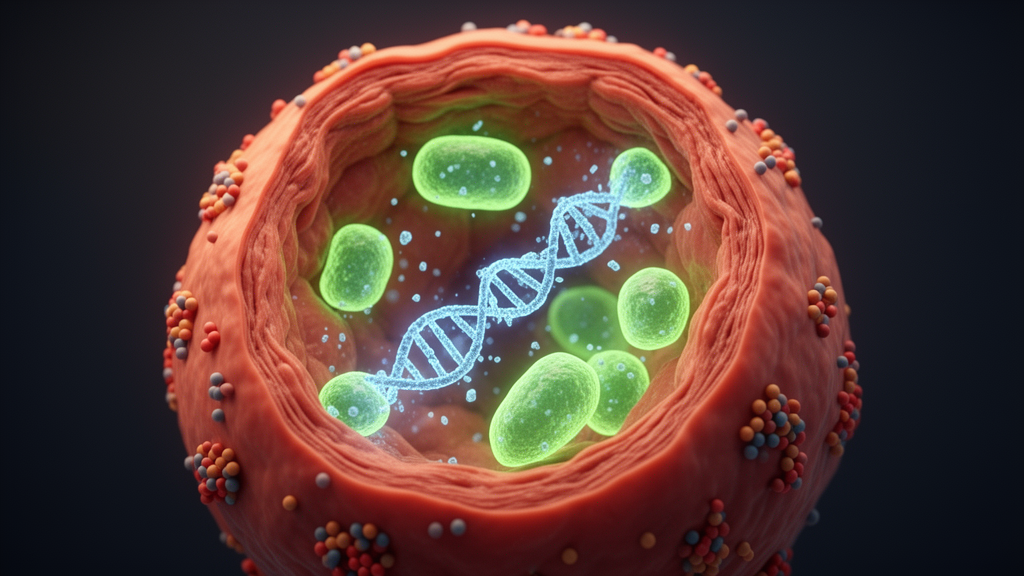
Mechanistically, the study reports that CMPK2 drove oxidative mitochondrial DNA damage and leakage of that DNA into the cytosol, which subsequently triggered activation of the NLRP3 inflammasome, an inflammatory signaling complex. The team also identified the transcription factor STAT1 as an activator of CMPK2 gene expression, linking inflammatory transcriptional regulation to mitochondrial DNA release in a single pathological axis.

Importantly, the researchers found that flavin adenine dinucleotide directly bound to CMPK2 and blocked its downstream signaling. FAD administration mitigated doxorubicin-induced cardiac injury in mice without compromising the drug’s antitumor efficacy, suggesting a selectively cardioprotective approach. The authors conclude that targeting the CMPK2–mtDNA–NLRP3 axis with FAD represents a promising strategy in cardio-oncology, though the findings are preclinical and based on mouse models and in vitro assays, so human efficacy remains to be established.

Subject of Research: The role of the CMPK2–mitochondrial DNA–NLRP3 axis in doxorubicin-induced cardiotoxicity and its inhibition by flavin adenine dinucleotide in mice.

Article Title: The CMPK2–mtDNA axis mediates doxorubicin cardiotoxicity: mechanistic links to STAT1 transcription and FAD-mediated inhibition

Article References: Feng, Z., Lin, L., Yang, Y., Sun, X., Yang, X., Zhang, N., Dong, Y., & Xie, Y. (2026). The CMPK2–mtDNA axis mediates doxorubicin cardiotoxicity: mechanistic links to STAT1 transcription and FAD-mediated inhibition. Cellular & Molecular Biology Letters. https://doi.org/10.1186/s11658-026-01025-4

Image Credits: AI Generated

DOI: 10.1186/s11658-026-01025-4

Keywords: doxorubicin, cardiotoxicity, CMPK2, mitochondrial DNA, NLRP3 inflammasome, STAT1, flavin adenine dinucleotide, cardio-oncology, mouse models, mitochondrial dysfunction, mtDNA, axis

News Source: Nathaniel Bowman. (October 29, 2026). CMPK2–mtDNA Axis Drives Doxorubicin Heart Damage, Study Finds. Scienmag.


Tags: axiscardio-oncologycardiotoxicityCMPK2doxorubicinflavin adenine dinucleotidemitochondrial DNAMitochondrial dysfunctionmouse modelsmtDNANLRP3 inflammasomeSTAT1
Share12Tweet7Share2ShareShareShare1

Related Posts

Microbial Sources and Stress Shape the Hidden Endophytes of an Invasive Plant

Microbial Sources and Stress Shape the Hidden Endophytes of an Invasive Plant

October 30, 2026
Firebreaks Leave Lasting Scars in Grasslands While Wildfire Heals Fast

Firebreaks Leave Lasting Scars in Grasslands While Wildfire Heals Fast

October 30, 2026

Hidden Peptides in Non-Coding RNAs Reshape Cardiovascular Biology

October 30, 2026

Phage K Holin’s C-Terminal Region Shapes Antibacterial Activity, Study Finds

October 30, 2026

POPULAR NEWS

  • Microbial Sources and Stress Shape the Hidden Endophytes of an Invasive Plant

    Microbial Sources and Stress Shape the Hidden Endophytes of an Invasive Plant

    29 shares
    Share 12 Tweet 7
  • Firebreaks Leave Lasting Scars in Grasslands While Wildfire Heals Fast

    29 shares
    Share 12 Tweet 7
  • ZNF207 shields glutamine transporter ASCT2 from degradation to fuel liver cancer growth

    29 shares
    Share 12 Tweet 7
  • Systematic review maps sustainability tensions in offshore wind development

    29 shares
    Share 12 Tweet 7

About

We bring you the latest biotechnology news from best research centers and universities around the world. Check our website.

Follow us

Recent News

Microbial Sources and Stress Shape the Hidden Endophytes of an Invasive Plant

Firebreaks Leave Lasting Scars in Grasslands While Wildfire Heals Fast

ZNF207 shields glutamine transporter ASCT2 from degradation to fuel liver cancer growth

Subscribe to Blog via Email

Enter your email address to subscribe to this blog and receive notifications of new posts by email.

Join 86 other subscribers
  • Contact Us

Bioengineer.org © Copyright 2023 All Rights Reserved.

Welcome Back!

Login to your account below

Forgotten Password?

Retrieve your password

Please enter your username or email address to reset your password.

Log In
No Result
View All Result
  • Homepages
    • Home Page 1
    • Home Page 2
  • News
  • National
  • Business
  • Health
  • Lifestyle
  • Science

Bioengineer.org © Copyright 2023 All Rights Reserved.
