


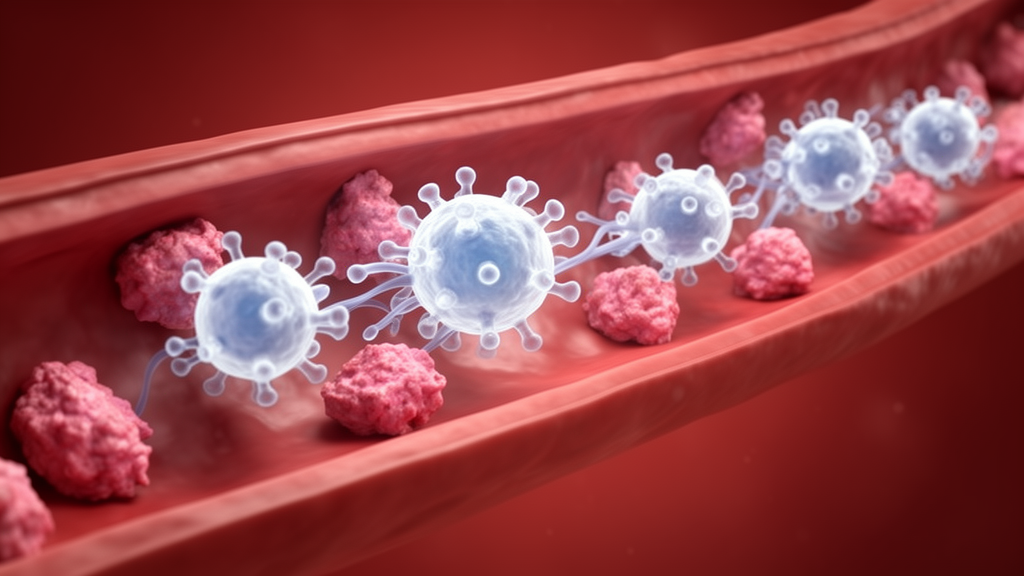
Breast cancer metastasis remains the leading cause of disease-related mortality, and a new review published in Breast Cancer Research argues that the next wave of cellular immunotherapy should be engineered not merely to kill tumor cells but to intercept the disease as it spreads. The article, authored by Farshad Heydari, Mehdi Derakhshani, Rithab Ibrahim Al-Samawi, Nasrin Mansuri, Faranak Kargar and Jalal Naghinezhad and published on 17 September 2026, lays out a breast cancer-specific conceptual framework for chimeric antigen receptor natural killer cells, positioning them as programmable innate immune tools for metastatic niche control, interception of circulating tumor cells and perioperative immune reprogramming.
Chimeric antigen receptor T-cell therapy has transformed the treatment of hematologic cancers, but the review notes that its translation to breast cancer has been constrained by toxicity, poor solid-tumor infiltration, antigen heterogeneity and manufacturing complexity. CAR-NK cells, by contrast, combine antigen-directed cytotoxicity with intrinsic HLA-independent killing, reduced alloreactivity and the feasibility of scalable off-the-shelf production. According to the authors, these properties make CAR-NK cells a compelling translational platform for solid tumors, where T-cell approaches have repeatedly stumbled.
The review synthesizes evidence showing that breast tumors evade NK-cell surveillance through several distinct mechanisms: checkpoint signaling, shedding of activating ligands, stromal exclusion, metabolic stress and defective trafficking. Understanding these escape routes, the authors argue, is essential for engineering NK cells that can survive and function inside the hostile microenvironment of a breast tumor. They further identify HER2 and TROP2 as the most actionable near-term targets for CAR-NK therapy, while EpCAM, MUC1, EGFR and B7-H3 emerge as important candidates for biomarker-guided and multi-antigen strategies designed to overcome tumor heterogeneity.
Beyond target selection, the authors describe engineering strategies intended to improve CAR-NK persistence, function and tumor infiltration. Cytokine armoring, checkpoint resistance, metabolic reprogramming and chemokine receptor engineering are highlighted as modifications that could allow engineered NK cells to endure the immunosuppressive conditions they encounter after infusion. These are presented as design principles for next-generation constructs rather than as validated clinical results, reflecting the review’s role in mapping a translational roadmap rather than reporting trial outcomes.
A central conceptual advance of the review is the integration of CAR-NK therapy into the perioperative window, the period surrounding surgical removal of a tumor. The authors describe this window as biologically vulnerable, marked by surgical stress, neuroendocrine activation, wound-healing programs and transient NK-cell suppression that may promote metastatic resurgence. In their framework, engineered NK cells could be deployed during this interval to eliminate circulating and dormant residual disease at the very moment the tumor is most susceptible to immune attack, converting routine surgery into an opportunity for active immunologic intervention.
The review also introduces a novel biomimetic strategy: platelet-guided CAR-NK exosome hybridization. This is presented as a testable sequential targeting approach intended to exploit the natural tendency of platelets to enrich on circulating tumor cells. In the proposed design, platelet-derived components would guide the engineered exosomes toward tumor cells in the bloodstream, after which CAR-dependent recognition would trigger tumor-specific cytotoxic payload delivery. The authors note that lessons from platelet-engineered CAR-T platforms support the feasibility of developing such dual-targeting systems for circulating tumor cells and residual breast cancer cells.
Biomaterial-guided delivery forms another pillar of the proposed roadmap. Injectable and implantable hydrogels are highlighted as an innovative approach to localize CAR-NK cells at the surgical site, prolong their retention, protect their effector function and convert the resection cavity left after tumor removal into an active immunologic depot. Rather than allowing engineered cells to disperse systemically, this strategy would concentrate them where residual disease is most likely to seed recurrence, potentially addressing the postoperative residual disease that the authors identify as a major unmet clinical challenge.
Collectively, the review proposes a translational roadmap in which CAR-NK therapy, platelet-enabled circulating tumor cell targeting, biomaterial-assisted delivery and perioperative intervention converge to redefine metastatic and postoperative disease control in breast cancer. The authors frame this as a repositioning of CAR-NK therapy from a purely cytotoxic approach toward a process-oriented strategy for metastatic interception and recurrence prevention, one that treats the dissemination of tumor cells through the bloodstream and their regrowth after surgery as therapeutically actionable vulnerabilities rather than inevitable events.
As a review article, the publication does not report new clinical trial data, and the strategies it describes, including platelet-guided exosome hybridization and hydrogel-based delivery, remain conceptual or preclinical proposals requiring experimental validation. Nevertheless, by consolidating the mechanisms of NK-cell dysfunction in breast cancer, prioritizing actionable antigen targets and articulating a staged vision for metastatic interception, the review offers researchers a structured framework for engineering the next generation of innate immune cell therapies against one of the deadliest phases of breast cancer.
Subject of Research: A review of engineered CAR-NK cell platforms for breast cancer metastatic interception, perioperative control and platelet-guided biomimetic strategies.
Article Title: Engineering CAR-NK cell platforms for breast cancer: metastatic interception, perioperative control, and emerging platelet-guided biomimetic strategies
Article References: Heydari, F., Derakhshani, M., Al-Samawi, R. I., Mansuri, N., Kargar, F., & Naghinezhad, J. (2026). Engineering CAR-NK cell platforms for breast cancer: metastatic interception, perioperative control, and emerging platelet-guided biomimetic strategies. Breast Cancer Research. https://doi.org/10.1186/s13058-026-02381-x
Image Credits: AI Generated
DOI: 10.1186/s13058-026-02381-x
Keywords: CAR-NK cells, breast cancer, metastasis, circulating tumor cells, perioperative window, platelet-guided exosomes, HER2, TROP2, hydrogels, immunotherapy, NK-cell dysfunction, off-the-shelf cell therapy
News Source: Nathaniel Bowman. (October 30, 2026). CAR-NK Cells Engineered to Intercept Breast Cancer Metastasis. Scienmag.



