In a groundbreaking exploration into cancer biology, recent research has unveiled the intricate metabolic interplay between cancer stem cells (CSCs) and the specialized cellular microenvironments they inhabit. While traditionally, stromal cells within tumors have been recognized for their role in shaping the metabolic heterogeneity across diverse tumor types, emerging evidence highlights the profound influence exerted by organ-specific parenchymal and stromal cells. This dynamic metabolic crosstalk moulds the cellular and biochemical landscape of tumors in a tissue-dependent manner, thereby sculpting critical aspects of CSC behavior, metabolic adaptation, and the overarching tumor phenotype.
Central to these discoveries is the revelation of how CSCs co-opt tissue-resident niche cells to create metabolic milieus favorable to their maintenance and growth. For instance, in brain tumors, neurons, astrocytes, and microglia do not merely coexist with CSCs; rather, they engage in a sophisticated exchange of metabolic substrates, signaling molecules, and epigenetic cues. This reciprocal communication ties neuronal activity and glial metabolism to key metabolic processes, including cholesterol homeostasis, glutamine utilization, and the dynamic balance between glycolysis and oxidative phosphorylation (OXPHOS). Such an integration ensures the metabolic flexibility that underpins CSC plasticity and tumor progression within the neural milieu.
The nervous system, beyond passive structural roles, actively participates in reshaping tumor architectures. Tumors, particularly those harboring CSCs, have been shown to induce neurogenesis and extension of nerve fibers through mechanisms reminiscent of developmental neurogenesis. These processes are orchestrated by conserved signaling pathways such as NGF–Trk and Wnt, which are co-opted by CSCs alongside inflammatory mediators. Moreover, metabolic factors like dietary palmitic acid can induce epigenetic reprogramming in cancer cells, promoting secretion of molecules like galanin that activate intratumoral Schwann cells. The resultant remodeling of the extracellular matrix fosters environments conducive to metastasis, underscoring a complex nexus of neural, metabolic, and stromal interplay.
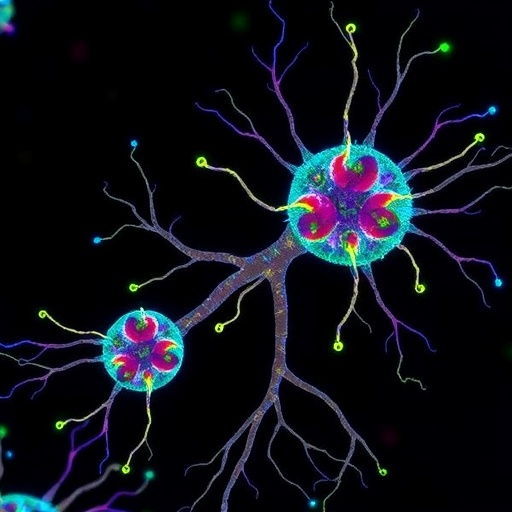
Delving deeper, neuron–tumor interactions transcend secreted factors. Tumor cells, including CSCs, can form functional synapse-like junctions with neurons, integrating into neural circuits. This electrical coupling effectively reinforces stem-like transcriptional programs within CSCs, potentiating their undifferentiated state and proliferative capacity. Concomitantly, neuronal activity-dependent neurotransmitter release, such as neuroligin-3, activates pivotal intracellular pathways like PI3K–mTOR, linking metabolic regulation to CSC expansion, particularly in glioblastoma. Indirect neural influences modify the tumor microenvironment by enhancing angiogenesis and facilitating perineural invasion, both of which correlate with aggressive clinical courses.
Glial components—astrocytes and microglia—constitute critical metabolic partners within the central nervous system’s tumor niche. Within glioblastomas, CSCs actively reprogram these glial cells, driving them from homeostatic functions into reactive states characterized by profound metabolic rewiring. Reactive astrocytes adapt key metabolic pathways to modulate nutrient availability, immune suppression, and promote tumor invasion, while microglia undergo shifts balancing glycolysis and mitochondrial function to maintain their activation states. Astrocyte-derived metabolites, such as glutamine and cholesterol, are strategically utilized by CSCs, facilitated by cholesterol efflux pathways involving ABCA1, to sustain tumor viability and stemness. These intricate metabolic exchanges also orchestrate immune cell recruitment and polarization, thus shaping tumor immunology in addition to metabolism.
Turning to hepatocellular carcinoma, the crosstalk between CSCs and hepatic niche cells encompasses parenchymal entities like hepatocytes and biliary endothelial cells, alongside stromal populations such as hepatic stellate cells (HSCs). Here, CSCs utilize extracellular vesicles loaded with regulatory microRNAs to reprogram HSCs into cancer-associated fibroblasts, fueling a fibrotic and angiogenic microenvironment. This specialization of the fibrotic niche is entrenched in metabolic reprogramming favoring redox homeostasis, amino acid anaplerosis, and extracellular matrix (ECM) stiffness. HSC-derived extracellular vesicles further enhance glycolytic flux and motility in CSCs, while biliary endothelial cells support CSC mitochondrial metabolism through glutamine dependency, highlighting the bidirectional nature of metabolite exchange in hepatic tumors.
In pancreatic ductal adenocarcinoma (PDAC), the metabolic symbiosis between CSCs and their predominant stromal cell partners, pancreatic stellate cells (PSCs) and cancer-associated fibroblasts (CAFs), is a hallmark of tumor resilience in nutrient-scarce microenvironments. CSCs exploit PSC-mediated autophagy-driven secretion of alanine and lactate to fuel mitochondrial oxidative processes, reducing their dependence on glucose and glutamine. This reverse Warburg effect establishes a metabolic niche wherein stromal glycolysis supports CSC OXPHOS, sustaining stemness and tumorigenicity. The ECM remodeling by PSCs enhances resistance to apoptosis via proline metabolism and redox balancing, further highlighting the sophisticated metabolic adaptations facilitating PDAC progression and immune evasion amidst chronic TME acidification.
Adipocytes, abundant in adipose-rich tumors such as breast, ovarian, and colorectal cancers, emerge as dynamic orchestrators of CSC metabolic plasticity. Tumor-associated adipocytes (TAAs) are transformed by CSC-derived inflammatory cues into metabolically active reservoirs that release free fatty acids, lipids, and adipokines to fuel CSC proliferation and survival. The uptake of lipids via transporters CD36 and FABP4 feeds into fatty acid oxidation, supplying ATP and maintaining redox equilibrium under glucose-limiting conditions. Furthermore, adipocyte-secreted proteases and signaling molecules activate stemness and EMT pathways like Wnt/β-catenin and AMPK, enhancing CSC renewal and therapeutic resistance. The interplay between obesity-induced systemic metabolic alterations and local adipocyte-driven cues intensifies these effects, positioning lipid metabolism as a crucial axis in CSC dynamics.
In the lung metastatic niche, alveolar epithelial cells, particularly alveolar type 2 (AT2) cells, have been implicated as critical parenchymal partners. AT2 cells display stem-like plasticity and engage in reciprocal signaling with metastatic CSCs, mediated through pathways including Wnt and Notch. This bidirectional communication supports tumor colonization and stemness enhancement. Metabolically, AT2 cells secrete lung-specific surfactant lipids such as dipalmitoylphosphatidylcholine, which, upon uptake by CSCs, may augment fatty acid oxidation and mitochondrial metabolism, bolstering survival in the lung microenvironment. Indirectly, AT2-derived factors modulate immune populations, thereby sustaining an immunosuppressive niche favorable to tumor persistence.
Beyond classical epithelial tumors, CSC metabolic adaptation extends into mesenchymal and systemic domains. In the bone microenvironment, tumor-originated lactate accumulation fosters osteoclast activation while suppressing osteoblast function, promoting an osteolytic niche supportive of metastatic tumor growth and CSC maintenance. Though direct interactions between muscle cells and CSCs are less established, skeletal muscle contributes substantially to systemic metabolic pools through the release of lactate, alanine, and glutamine during cachexia. These metabolites can augment tumor metabolic plasticity and stem-like traits indirectly, reflecting the interconnectedness of systemic metabolism and tumor biology.
Additional epithelial niches, such as in renal and intestinal cancers, also provide context-specific metabolic inputs. In renal cell carcinoma, metabolic rewiring favors a lactate shuttle with distinct transporter expression, supporting CSC oxidative metabolism. Moreover, pericyte-derived methionine has emerged as a niche metabolite promoting renal CSC stemness. Meanwhile, classic intestinal stem cell niches, characterized by Paneth and endothelial cells, encompass metabolic programs regulating reactive oxygen species and ketone signaling, which complement canonical growth factors to sustain CSC function and metabolic homeostasis.
Collectively, these insights underscore a unifying paradigm: CSC metabolic plasticity is not an autonomous trait but a product of bidirectional metabolic dialogue with tissue-resident and systemic cell types. This dialog integrates nutrient flux, metabolite exchange, and signaling cascades within specialized microenvironments, thereby enabling tumors to adapt, resist therapies, and metastasize across diverse organ contexts. Consequently, therapeutic strategies that target both CSC-intrinsic metabolism and the supporting organ-specific metabolic niches hold promise for enhancing cancer treatment efficacy. As the field advances, the convergence of metabolic biology, cellular crosstalk, and tumor ecology will likely redefine our approach to combating malignancies by disrupting these finely tuned metabolic partnerships.
Subject of Research: The metabolic plasticity and bidirectional crosstalk between cancer stem cells and organ-resident parenchymal and stromal cells.
Article Title: The Metabolic Plasticity of Cancer Stem Cells: Bidirectional Crosstalk with Organ-Resident Cells.
Article References: Jang, J., Gwak, M. & Kim, H. The metabolic plasticity of cancer stem cells: bidirectional crosstalk with organ-resident cells. Exp Mol Med (2026). https://doi.org/10.1038/s12276-026-01746-8
Image Credits: AI Generated
DOI: 09 June 2026
Tags: cancer stem cell metabolic flexibilitycancer stem cell niche interactionscancer stem cell plasticity mechanismscholesterol metabolism in cancer stem cellsepigenetic regulation of cancer metabolismglutamine utilization in tumor progressionglycolysis and oxidative phosphorylation balancemetabolic adaptation in brain tumorsmetabolic heterogeneity in tumorsneuronal and glial metabolic communicationorgan-specific stromal cell influencetumor microenvironment metabolic crosstalk