Adolescence is a key window when the brain is especially sensitive to experience—and when serotonergic psychedelics are sometimes used outside clinical settings. Yet whether brief or repeated exposure leaves a durable mark on adult social behavior, and which neural circuits carry that imprint, has remained largely unknown.
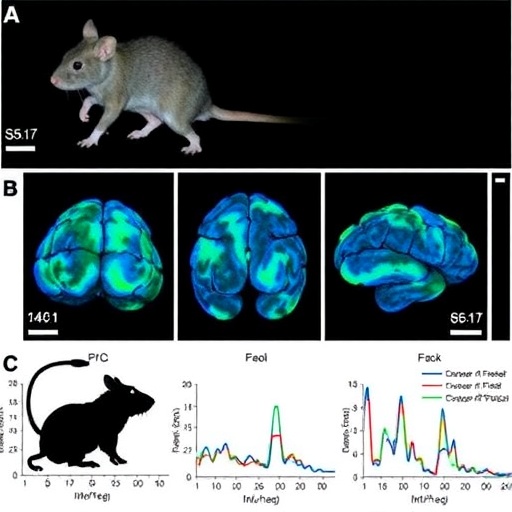
In a new study in rats, researchers tested the effects of the psychedelic 25C-NBOMe, a compound that activates serotonin receptors and can profoundly alter brain network dynamics. Male Sprague-Dawley rats received repeated 25C-NBOMe during adolescence, while a separate group was exposed only in adulthood.
The results revealed a striking and long-lasting behavioral shift: rats exposed during adolescence developed competitive avoidance that persisted into adulthood. Importantly, this change was not simply a secondary consequence of broad alterations in sociability or differences in social dominance, suggesting a more targeted disruption of how animals engage in competition.
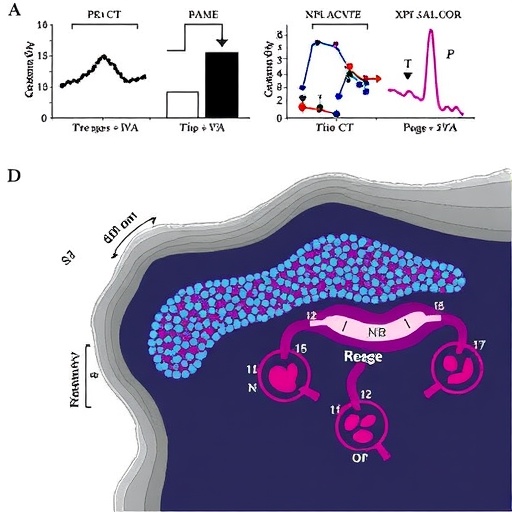
To uncover the brain basis of this effect, the team performed multisite recordings and focused on functional synchrony within a so-called default mode network (DMN)-like circuit. They found that psychedelic exposure disrupted DMN synchrony, particularly in the theta band, with reduced coherence between the ventral hippocampus (vHPC) and orbitofrontal cortex (OFC).
The predictive relationship was robust: the strength of vHPC–OFC theta coherence most strongly tracked the severity of competitive avoidance. In other words, the less synchronized these regions became, the more the animals tended to avoid competitive interactions later in life.
To establish causality rather than correlation, the researchers used chemogenetics to manipulate the vHPC→OFC projection. When they activated this pathway in drug-exposed rats, avoidance behavior normalized, bringing performance closer to that of control animals.
Conversely, inhibiting the same projection in control rats was sufficient to induce competitive avoidance. Together, these bidirectional manipulations indicate that adolescent psychedelics can durably reconfigure hippocampal–prefrontal communication, and that this re-tuning can directly shape adult social strategy.
The study adds a network-level mechanism to the debate over how psychedelics exert lasting behavioral effects. It suggests that vulnerability of DMN synchrony during adolescence may be a central route by which psychedelic exposure can reshape adult social functioning—raising urgent questions about timing, risk, and potential therapeutic windows.
Subject of Research: Neuroscience / social behavior / neural circuits
Article Title: Adolescent exposure to the psychedelic 25C-NBOMe in rats induces lasting competitive avoidance through disrupted hippocampal–prefrontal synchrony.
Article References: Yu, ZP., Zhang, ZY., Li, Q. et al. Adolescent exposure to the psychedelic 25C-NBOMe in rats induces lasting competitive avoidance through disrupted hippocampal–prefrontal synchrony. Nat Neurosci (2026). https://doi.org/10.1038/s41593-026-02369-y
Image Credits: AI Generated
DOI: https://doi.org/10.1038/s41593-026-02369-y
Tags: 25C-NBOMe effects on social behavioradolescent brain development and vulnerabilityAdolescent psychedelic exposure in ratsdefault mode network alterationsenduring avoidance behaviorhippocampal-prefrontal circuit disruptionimpact of psychedelics on neural network dynamicslong-term impact of serotonergic psychedelicsmultisite neural recordings in rodentssocial competition and neural circuitrytheta band neural synchronyventral hippocampus and orbitofrontal cortex connectivity