A scientific review published in Health Nanotechnology examines how metallic nanoparticles mediate programmed cell death in cancer cells, presenting new paradigms for diagnosis and therapy. Authored by Yeshvandra Verma, Meenu Singh, and Suresh Vir Singh Rana, the review analyzes the mechanisms and therapeutic implications of nanomedicine. The authors specifically assess the cytotoxic effects of silver, titanium, and zinc oxide nanoparticles on malignant cells. Because of unique physical and chemical properties—including sub-micron size, high surface-to-volume ratio, structural dissimilarity, enhanced permeability and retention effects, and precise targeting capabilities—nanoparticles can enter cancer cells and trigger multiple distinct cell death pathways.
Under physiological conditions, these nanoscale properties allow nanoparticles to overcome major biological barriers. The authors report that nanoparticles can effectively pass through the tumor microenvironment, the reticuloendothelial system, the blood-brain barrier, and renal infiltration processes. To reach target tissues, nanoparticles can be administered through multiple physiological routes, including oral, nasal, parenteral, and intraocular pathways. Once the particles reach their target site, they can damage or kill cancer cells by activating intrinsic or extrinsic pathways of apoptosis and by modulating cellular death receptor signaling.
The review details the biological events that govern apoptosis during nanoparticle exposure. Intrinsic apoptosis is characterized by mitochondrial injury, endoplasmic reticulum stress, and DNA damage inside the cancer cell. Meanwhile, the extrinsic apoptotic pathway relies on signals that activate death receptors located on the plasma membrane. The authors highlight that a continuous interplay between the extrinsic and intrinsic pathways actively contributes to cell death, demonstrating how external receptor activation and internal organelle damage cooperate to eliminate malignant cells.
Beyond apoptosis, metallic nanoparticles induce cell death through pyroptosis and ferroptosis. The review notes that nanoparticles can activate the inflammasome, an intracellular multiprotein complex. When activated, the inflammasome triggers the release of inflammatory cytokines that directly induce cell death. Furthermore, ferroptosis has also been implicated in nanoparticle-mediated cytotoxicity. This process is characterized by an iron-dependent accumulation of lipid peroxides, which causes extensive membrane damage and leads to cancer cell death.
Nanoparticles can also direct cancer cells into autophagy, a biological process wherein unnecessary cellular components are removed or recycled. In addition, the review outlines the mechanisms of nanoparticle-induced cuproptosis. This pathway facilitates the targeted delivery of copper to cancer cells and introduces the stimuli-responsive release of copper ions within the tumor environment. The resulting copper accumulation promotes protein aggregation and destabilizes iron-sulfur clusters, effectively halting the tricarboxylic acid cycle.
Intriguingly, the authors report that cross-talk among these different cell death signaling pathways plays an important role in overall cytotoxicity. Recent research indicates that nanoparticles can be engineered to target specific cancer cells or to enhance the therapeutic effects of conventional drugs. By coordinating multiple signaling mechanisms, these engineered nanomaterials offer new strategies to modulate death receptor pathways and increase tumor sensitivity to treatment.
Despite the promising effects of metallic nanoparticles on cancer cells, the application of individual nanoparticles faces specific challenges in clinical translation. Healthy cells may suffer from toxicity driven by reactive oxygen species and oxidative stress. Additionally, most published studies revolve around isolated cells and animal models that may not provide comprehensible results in human subjects. Consequently, translation to human clinical care remains constrained by unresolved toxicity and the need for deeper physiological validation.
Subject of Research: Metallic nanoparticles and programmed cell death mechanisms in cancer cells
Article Title: Metallic- nanoparticles mediated programmed cell death in cancer cells: mechanisms and therapeutic implications
Article References: Verma, Y., Singh, M., & Singh Rana, S. V. (2026). Metallic- nanoparticles mediated programmed cell death in cancer cells: mechanisms and therapeutic implications. Health Nanotechnology, 2(1), Article 2. https://doi.org/10.1186/s44301-026-00022-y
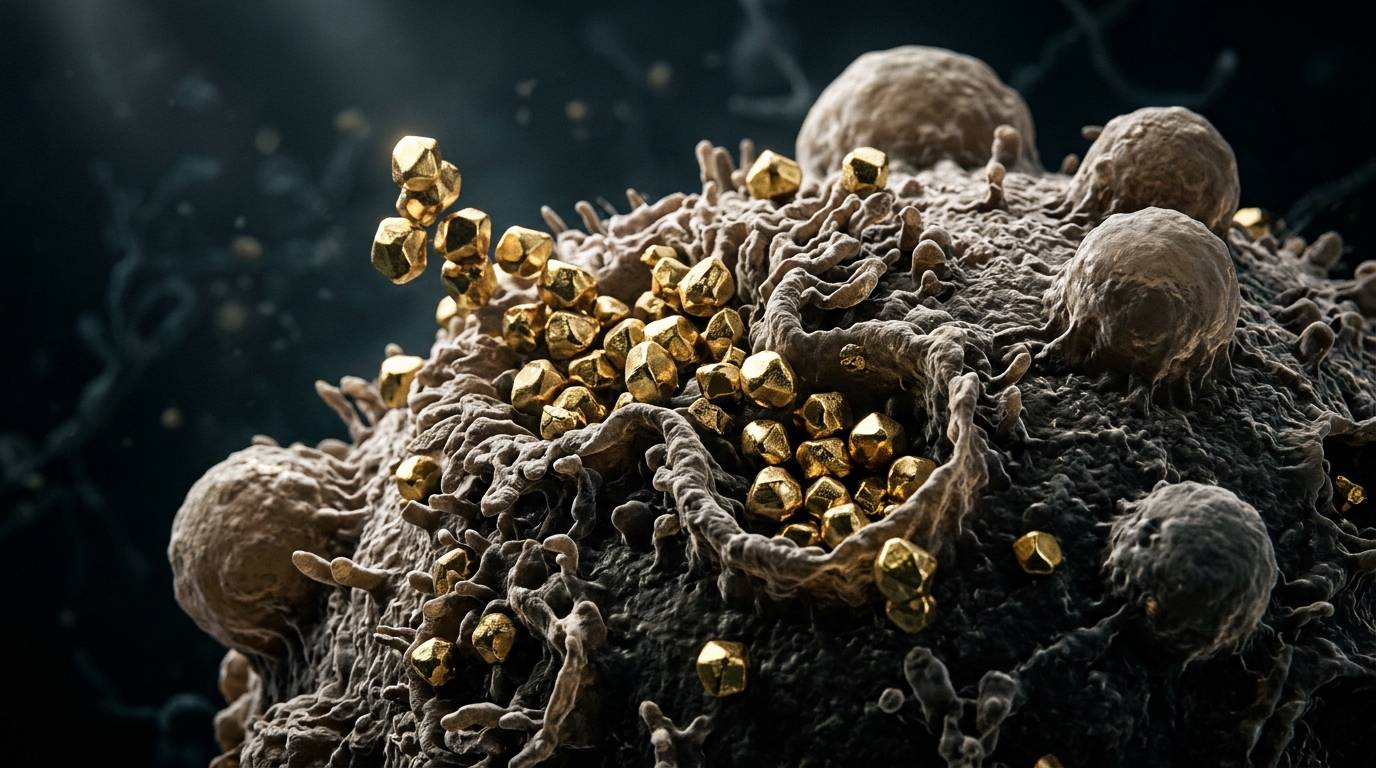
Image Credits: AI Generated
DOI: 10.1186/s44301-026-00022-y
Keywords: metallic nanoparticles, programmed cell death, cancer nanomedicine, apoptosis, pyroptosis, ferroptosis, cuproptosis, autophagy, inflammasome, lipid peroxidation, reactive oxygen species, oxidative stress, silver nanoparticles, titanium nanoparticles, zinc oxide nanoparticles, tumor microenvironment, blood-brain barrier
News Source: Nathaniel Bowman. (November 18, 2026). Metallic Nanoparticles Trigger Multiple Programmed Cell Death Pathways in Cancer. Scienmag.