Persistent loss of microglial homeostasis actively contributes to demyelination, failed remyelination, neurodegeneration, and resulting neurological dysfunction during aging and disease, according to a review published in Molecular Neurodegeneration. Authors Jonathan K. Monteiro and Véronique E. Miron synthesize recent findings examining how these central nervous system cells shift between protective baseline maintenance and sustained pathogenic activity across aging, multiple sclerosis, and Alzheimer’s disease.
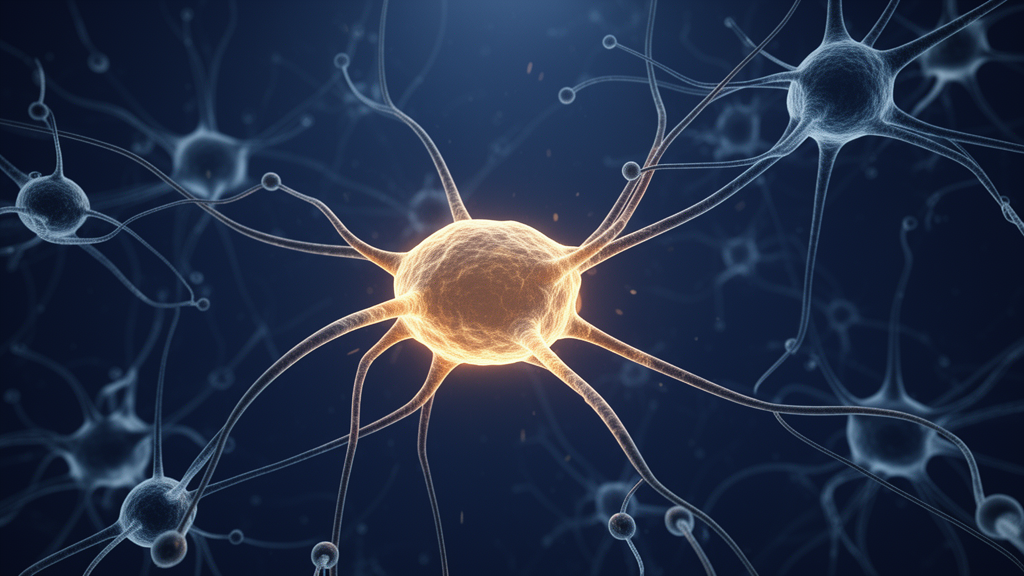
Microglia constitute a specialized population of central nervous system-resident macrophages that perform essential roles in preserving nervous system health. Recent investigations have revealed a multitude of mechanisms through which microglia continuously monitor and regulate the physiological functions of both neurons and surrounding glial cells under normal homeostatic conditions.
In response to acute physiological stressors, microglia depart from their standard homeostatic state. This functional alteration is designed to limit tissue injury and support regenerative processes, representing an initial protective adaptation aimed at promoting disease resolution within the central nervous system.
While loss of microglial homeostasis can temporarily facilitate repair, this non-homeostatic state can become chronic. In the context of aging, as well as in progressive conditions including multiple sclerosis and Alzheimer’s disease, microglial homeostatic disruption frequently persists rather than returning to baseline physiological regulation.
The review details how prolonged microglial disruption drives ongoing structural and functional damage across neural tissues. Specifically, persistent loss of microglial homeostasis contributes directly to myelin breakdown, impaired myelin repair mechanisms, progressive neurodegeneration, and downstream neurological impairment.
Highlighting the ongoing absence of effective therapies for aging-related dysfunction or neurodegenerative disorders, the authors emphasize the necessity of detailing how beneficial microglial functions convert into pathogenic ones. Clarifying the precise mechanisms that dictate whether microglial alterations resolve damage or perpetuate central nervous system dysfunction remains essential for designing targeted therapeutic strategies.
The scientific evaluation emphasizes that microglial cells do not operate under a single static profile during disease progression. Instead, the review synthesizes recent work showing how loss of homeostatic functions serves as a dynamic response to central nervous system stressors. When functioning favorably, this departure limits cellular injury and aids tissue regeneration to facilitate disease resolution. However, the synthesized evidence demonstrates a critical inflection point where beneficial adaptations fail to resolve. In conditions defined by advancing age, multiple sclerosis, or Alzheimer’s disease, microglia remain locked in non-homeostatic behavior. This chronic state impairs normal glial and neuronal regulation, allowing sustained pathological cascades to drive progressive tissue injury.
Furthermore, the authors frame these mechanistic distinctions around urgent therapeutic needs. Because medical interventions currently cannot effectively treat aging-related dysfunction or neurodegenerative disorders, resolving these microglial pathways offers a path forward. Mapping the precise biological steps through which protective surveillance transforms into destructive activity will help researchers uncover putative therapeutic strategies. Distinguishing whether altered microglia promote tissue resolution or drive ongoing neurological damage remains central to designing targeted interventions across these disorders.
Subject of Research: Microglial transition between homeostatic and pathogenic functions in aging and neurodegeneration
Article Title: Beneficial vs. pathogenic microglia functions across aging, multiple sclerosis, and Alzheimer’s disease
Article References: Monteiro, J. K., & Miron, V. E. (2026). Beneficial vs. pathogenic microglia functions across aging, multiple sclerosis, and Alzheimer’s disease. Molecular Neurodegeneration. https://doi.org/10.1186/s13024-026-01002-7
Image Credits: AI Generated
DOI: 10.1186/s13024-026-01002-7
Keywords: microglia, central nervous system, macrophages, homeostasis, neurodegeneration, multiple sclerosis, Alzheimer's disease, demyelination, remyelination, neuronal regulation, glial function, neurological dysfunction, cellular aging, neuroinflammation, disease resolution, therapeutic targets
News Source: Diana Fleming. (November 17, 2026). Persistent Microglial Homeostasis Loss Contributes to Neurodegeneration and Neurological Dysfunction. Scienmag.