• HOME
  • NEWS
  • EXPLORE
    • CAREER
      • Companies
      • Jobs
    • EVENTS
    • iGEM
      • News
      • Team
    • PHOTOS
    • VIDEO
    • WIKI
  • BLOG
  • COMMUNITY
    • FACEBOOK
    • INSTAGRAM
    • TWITTER
Saturday, November 7, 2026
BIOENGINEER.ORG
No Result
View All Result
  • Login
  • HOME
  • NEWS
  • EXPLORE
    • CAREER
      • Companies
      • Jobs
        • Lecturer
        • PhD Studentship
        • Postdoc
        • Research Assistant
    • EVENTS
    • iGEM
      • News
      • Team
    • PHOTOS
    • VIDEO
    • WIKI
  • BLOG
  • COMMUNITY
    • FACEBOOK
    • INSTAGRAM
    • TWITTER
No Result
View All Result
Bioengineer.org
No Result
View All Result
Home NEWS Science News Cancer

Multicenter Protocol Tests Extracellular Vesicles to Predict Cancer Immunotherapy Response

by
November 7, 2026
in Cancer, Health
Reading Time: 2 mins read
0
Multicenter Protocol Tests Extracellular Vesicles to Predict Cancer Immunotherapy Response

Multicenter Protocol Tests Extracellular Vesicles to Predict Cancer Immunotherapy Response

Share on FacebookShare on TwitterShare on LinkedinShare on RedditShare on Telegram

Researchers have outlined the study protocol for EVpredict, a prospective, multicenter, non-randomized trial evaluating whether plasma-derived extracellular vesicles can predict treatment response to anti-PD-(L)1 therapies. The study focuses on patients diagnosed with unresectable locally advanced or metastatic non-small cell lung cancer and advanced melanoma.

Immune checkpoint inhibitors targeting PD-1 and PD-L1 have improved survival outcomes for patients with advanced lung cancer and melanoma, yet objective response rates remain between 40 and 60 percent. Existing clinical biomarkers, such as tumor PD-L1 expression, along with emerging measures including tumor mutational burden and circulating tumor DNA dynamics, remain insufficient to reliably identify which individuals will respond to therapy.

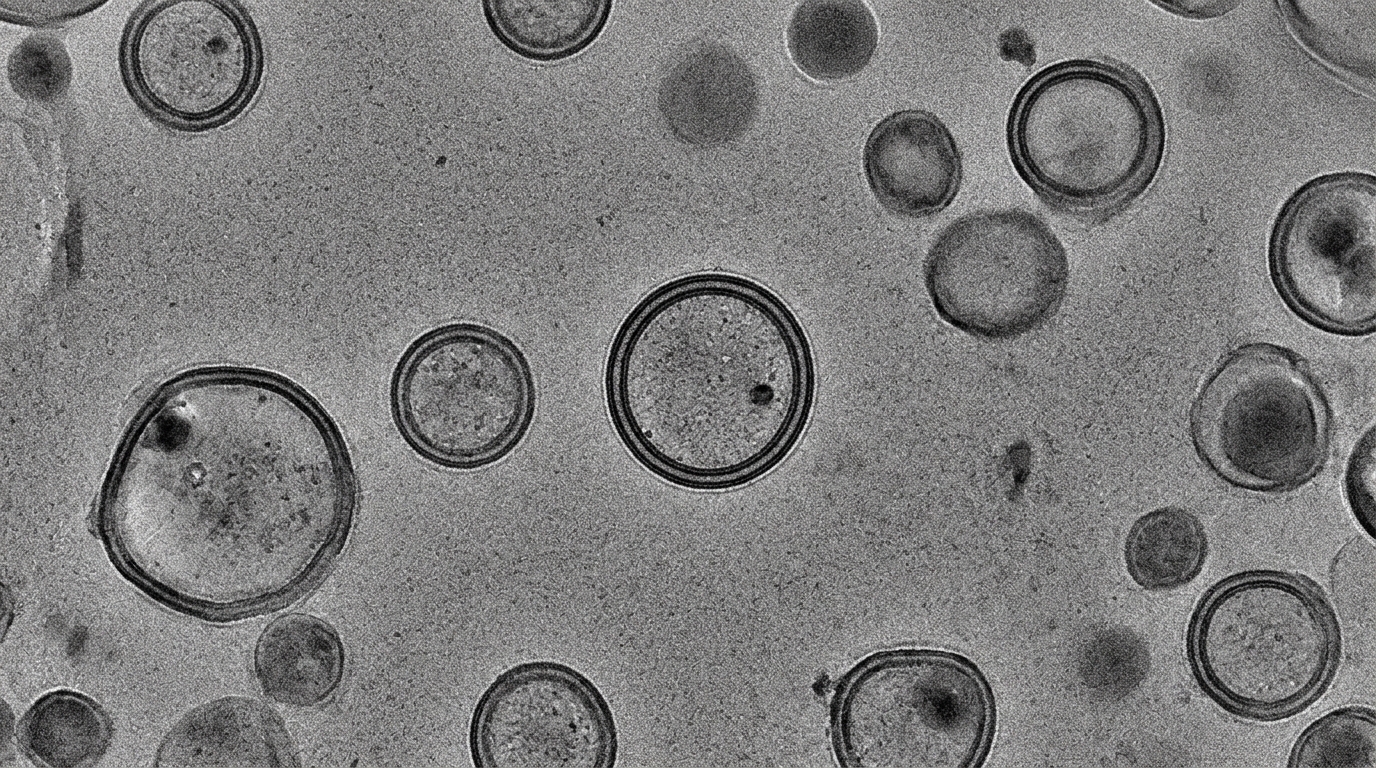
Extracellular vesicles released by tumor and immune cells carry proteins and nucleic acids that reflect both tumor biology and systemic immune conditions, presenting a minimally invasive liquid biopsy source. Following earlier work in a small cohort that linked an extracellular vesicle signature to anti-PD-(L)1 response, the new protocol aims to validate these findings in a larger prospective setting.

The trial protocol details plans to enroll 378 patients receiving anti-PD-(L)1 treatments across multiple centers, collecting longitudinal blood specimens before and during therapy. Extracellular vesicles will be isolated from plasma and characterized using nanoparticle tracking analysis, transmission electron microscopy, and marker profiling according to MISEV2023 guidelines, with multiplex ELISA quantifying EV proteins and small RNA sequencing and RT-qPCR analyzing microRNAs.

The primary trial objective is to assess the association between baseline extracellular vesicle protein markers and treatment response within six months, determined by best overall response using RECIST 1.1 criteria. Secondary endpoints include defining a microRNA signature, creating a predictive score, tracking longitudinal biomarker changes, and evaluating associations with progression-free survival and therapy resistance, supported by centralized processing and standardized sampling.

If validated, these multimolecular extracellular vesicle signatures could improve patient stratification and support more personalized immunotherapy strategies in clinical care. The trial is registered on ClinicalTrials.gov under identifier NCT07376512.

Subject of Research: Extracellular vesicle biomarkers for predicting cancer immunotherapy response

Article Title: Predicting response to anti-PD-(L)1 therapies using plasma-derived extracellular vesicles in NSCLC and advanced melanoma: protocol for a prospective multicenter cohort study

Article References: Kaderbhai, C., Hervieu, A., Bertaut, A., de Girval, C., Naiken, I., Favier, L., Fraisse, C., Bosch, V., Gélinier, E., Rérole, A.-L., Rederstorff, E., Cullot, G., & Gobbo, J. (2026). Predicting response to anti-PD-(L)1 therapies using plasma-derived extracellular vesicles in NSCLC and advanced melanoma: protocol for a prospective multicenter cohort study. BMC Cancer. https://doi.org/10.1186/s12885-026-17120-w

Image Credits: AI Generated

DOI: 10.1186/s12885-026-17120-w

Keywords: extracellular vesicles, immunotherapy, non-small cell lung cancer, melanoma, biomarkers, study protocol, immune checkpoint inhibitors, liquid biopsy, Predicting, response, anti-PD-, therapies

News Source: Nathaniel Bowman. (November 7, 2026). Multicenter Protocol Tests Extracellular Vesicles to Predict Cancer Immunotherapy Response. Scienmag.

Tags: anti-PD-biomarkersextracellular vesiclesImmune checkpoint inhibitorsimmunotherapyLiquid Biopsymelanomanon-small cell lung cancerPredictingresponsestudy protocoltherapies
Share12Tweet7Share2ShareShareShare1

Related Posts

Heat-Killed Bacteria Show Promise in Preventing Food Allergies in Mice

Heat-Killed Bacteria Show Promise in Preventing Food Allergies in Mice

November 7, 2026
Nigerian Mining Study Finds High Metal Health Risks for Children

Nigerian Mining Study Finds High Metal Health Risks for Children

November 7, 2026

Deep Learning Model Achieves 93.52% Accuracy in Ancient Ge’ez Manuscript Recognition

November 7, 2026

Researchers Develop State Self-Compassion Scale for Nepalese Older Adults

November 7, 2026

POPULAR NEWS

  • Patients as co-researchers: what two German projects reveal about meaningful involvement in oncology and palliative care research

    Patients as co-researchers: what two German projects reveal about meaningful involvement in oncology and palliative care research

    29 shares
    Share 12 Tweet 7
  • Peptide-Functionalized Biomaterials Could Boost CAR-NK Cell Therapy Against Solid Tumors

    29 shares
    Share 12 Tweet 7
  • Nanoimprint Lithography Produces High-Efficiency Mid-Infrared Gratings for Pulse Compression

    29 shares
    Share 12 Tweet 7
  • Machine learning model predicts tensile strength of fiber-reinforced polymer composites

    29 shares
    Share 12 Tweet 7

About

We bring you the latest biotechnology news from best research centers and universities around the world. Check our website.

Follow us

Recent News

Heat-Killed Bacteria Show Promise in Preventing Food Allergies in Mice

Nigerian Mining Study Finds High Metal Health Risks for Children

Deep Learning Model Achieves 93.52% Accuracy in Ancient Ge’ez Manuscript Recognition

Subscribe to Blog via Email

Enter your email address to subscribe to this blog and receive notifications of new posts by email.

Join 86 other subscribers
  • Contact Us

Bioengineer.org © Copyright 2023 All Rights Reserved.

Welcome Back!

Login to your account below

Forgotten Password?

Retrieve your password

Please enter your username or email address to reset your password.

Log In
No Result
View All Result
  • Homepages
    • Home Page 1
    • Home Page 2
  • News
  • National
  • Business
  • Health
  • Lifestyle
  • Science

Bioengineer.org © Copyright 2023 All Rights Reserved.