• HOME
  • NEWS
  • EXPLORE
    • CAREER
      • Companies
      • Jobs
    • EVENTS
    • iGEM
      • News
      • Team
    • PHOTOS
    • VIDEO
    • WIKI
  • BLOG
  • COMMUNITY
    • FACEBOOK
    • INSTAGRAM
    • TWITTER
Friday, November 6, 2026
BIOENGINEER.ORG
No Result
View All Result
  • Login
  • HOME
  • NEWS
  • EXPLORE
    • CAREER
      • Companies
      • Jobs
        • Lecturer
        • PhD Studentship
        • Postdoc
        • Research Assistant
    • EVENTS
    • iGEM
      • News
      • Team
    • PHOTOS
    • VIDEO
    • WIKI
  • BLOG
  • COMMUNITY
    • FACEBOOK
    • INSTAGRAM
    • TWITTER
No Result
View All Result
Bioengineer.org
No Result
View All Result
Home NEWS Science News Health

Cells juggle two routes to make DNA building blocks, review finds

by
November 6, 2026
in Health
Reading Time: 2 mins read
0
Cells juggle two routes to make DNA building blocks, review finds

Cells juggle two routes to make DNA building blocks, review finds

Share on FacebookShare on TwitterShare on LinkedinShare on RedditShare on Telegram

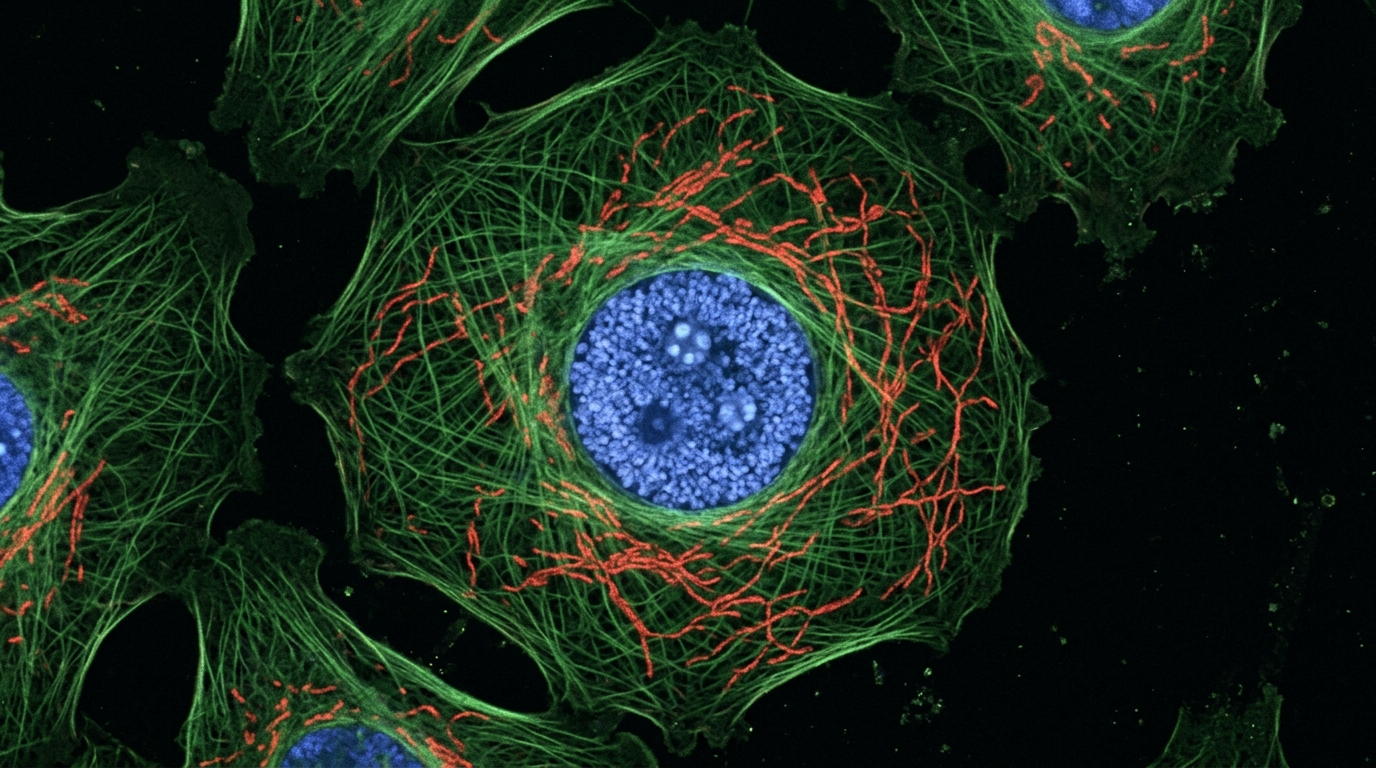
Nucleotides, the building blocks of DNA and RNA, are essential for DNA replication, repair and transcription. A new review published in Nature Metabolism examines how cells decide between two principal pathways that supply these molecules: salvage recycling and de novo synthesis. While the core enzymes of both routes have long been characterized, the authors argue that recent work has revealed mechanisms that regulate which pathway a cell uses across different states, and that this balance has consequences for health and disease.

The review, written by Tina Becirovic, Tuan-Anh Nguyen and Stefan Kubicek, surveys how pathway choice varies across organisms, tissues and physiological contexts. Rather than treating nucleotide synthesis as a fixed property of a cell, the authors frame it as a dynamic decision shaped by multiple layers of regulation. They identify precursor availability, cellular demand, transcriptional programmes, mitochondrial and one-carbon metabolism, post-translational regulation and the physical organization of enzymes into multienzyme complexes as the molecular determinants that tip the balance toward salvage or de novo production.

Mitochondria feature prominently in this regulatory picture. The review discusses cross-talk between mitochondrial metabolism and nucleotide synthesis, alongside the spatial organization of the de novo synthesis metabolons, the multi-enzyme assemblies that channel intermediates through the synthetic route. One-carbon metabolism, which is closely tied to mitochondrial function, is also highlighted as a contributor to how cells meet their nucleotide needs.

The immune system emerges as a context where pathway choice matters particularly. This dependence connects nucleotide metabolism to immune function and, by extension, to diseases in which immune responses are central.

Cancer is another major focus. The authors examine how tumor cells rely on nucleotide metabolic pathways and discuss therapeutic targeting strategies that exploit these dependencies.

Disruption of the balance between salvage and de novo synthesis, the authors write, shapes human disease. The review explores how such disruptions contribute to pathology, though the full text is behind a subscription paywall and the publicly available abstract does not detail specific disease mechanisms. The authors nonetheless position pathway balance as a meaningful axis of metabolic regulation with clinical relevance.

A methodological thread runs through the review as well. The authors highlight emerging technologies for resolving tissue-specific and cell-type-specific pathway utilization, tools that could allow researchers to map which synthesis route is active in which cell population.

The review closes by outlining outstanding questions in pathway regulation and therapeutic targeting.

Collectively, the review summarizes current knowledge of how cells dynamically balance de novo synthesis and salvage, and highlights opportunities to therapeutically target nucleotide metabolic dependencies.

Subject of Research: Regulation of the balance between de novo and salvage nucleotide synthesis pathways in cells

Article Title: Balancing de novo and salvage pathways in cellular nucleotide synthesis

Article References: Becirovic, T., Nguyen, T.-A., & Kubicek, S. (2026). Balancing de novo and salvage pathways in cellular nucleotide synthesis. Nature Metabolism. https://doi.org/10.1038/s42255-026-01628-3

Image Credits: AI Generated

DOI: 10.1038/s42255-026-01628-3

Keywords: nucleotides, de novo synthesis, salvage pathway, DNA replication, one-carbon metabolism, mitochondria, immune cells, cancer metabolism, therapeutic targeting, metabolic plasticity, Nature Metabolism, pathway regulation

News Source: Ophelia Keating. (November 6, 2026). Cells juggle two routes to make DNA building blocks, review finds. Scienmag.

Tags: cancer metabolismde novo synthesisDNA replicationimmune cellsmetabolic plasticitymitochondriaNature Metabolismnucleotidesone-carbon metabolismpathway regulationsalvage pathwaytherapeutic targeting
Share12Tweet7Share2ShareShareShare1

Related Posts

Brainstem Cholinergic Neurons Drive Electroacupuncture Anti-Inflammatory Effects in Arthritic Mice

Brainstem Cholinergic Neurons Drive Electroacupuncture Anti-Inflammatory Effects in Arthritic Mice

November 6, 2026
Researchers Propose Standardized Measurement Framework to Evaluate Caregiver Respite Care Globally

Researchers Propose Standardized Measurement Framework to Evaluate Caregiver Respite Care Globally

November 6, 2026

Rethinking Continuous Endpoints in Clinical Decision Analysis Through Decision Curves

November 6, 2026

Researchers Propose Dynamical Systems Framework for Complex Emotional Needs

November 6, 2026

POPULAR NEWS

  • Green Incentives Cannot Bridge Profitability Gap in European Kelp Cultivation

    Green Incentives Cannot Bridge Profitability Gap in European Kelp Cultivation

    29 shares
    Share 12 Tweet 7
  • Rethinking Continuous Endpoints in Clinical Decision Analysis Through Decision Curves

    29 shares
    Share 12 Tweet 7
  • Physics-Informed Graph Network Improves Fatigue Life Prediction for Robotic Arms

    29 shares
    Share 12 Tweet 7
  • Researchers Propose Dynamical Systems Framework for Complex Emotional Needs

    29 shares
    Share 12 Tweet 7

About

We bring you the latest biotechnology news from best research centers and universities around the world. Check our website.

Follow us

Recent News

Study Evaluates Artificial Intelligence Integration in Sustainable Apparel Design and Production

Modified Biochar Pairs With Water Management to Curb Toxic Metals in Rice

Brainstem Cholinergic Neurons Drive Electroacupuncture Anti-Inflammatory Effects in Arthritic Mice

Subscribe to Blog via Email

Enter your email address to subscribe to this blog and receive notifications of new posts by email.

Join 86 other subscribers
  • Contact Us

Bioengineer.org © Copyright 2023 All Rights Reserved.

Welcome Back!

Login to your account below

Forgotten Password?

Retrieve your password

Please enter your username or email address to reset your password.

Log In
No Result
View All Result
  • Homepages
    • Home Page 1
    • Home Page 2
  • News
  • National
  • Business
  • Health
  • Lifestyle
  • Science

Bioengineer.org © Copyright 2023 All Rights Reserved.