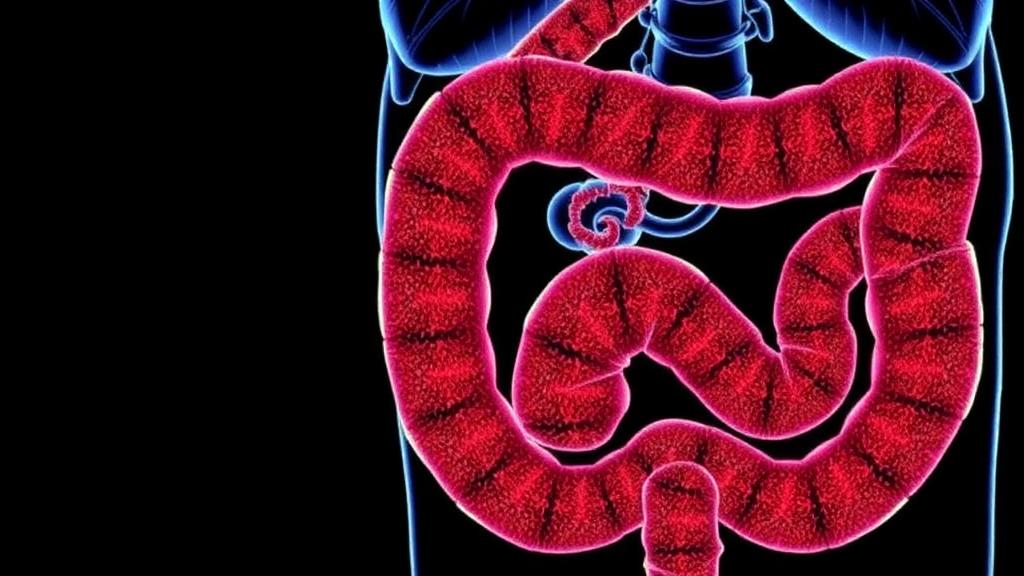
A new study in Cell & Bioscience reports that deleting the ion channel Trpv1 specifically in myeloid cells aggravates intestinal inflammation, fibrosis and barrier damage in mice fed a long-term high-fat diet while experiencing chronic colitis. The work, published as an open-access article on 28 September 2026, points to a macrophage-specific role for TRPV1 in diet-exacerbated inflammatory bowel disease and identifies a molecular axis that may underlie the effect.
The research team, led by authors including Xiaodong Yan, Biao Zheng and Haixia Huang, used mice lacking Trpv1 only in myeloid cells, the lineage that gives rise to macrophages. These animals were subjected to dextran sulfate sodium-induced chronic colitis combined with prolonged high-fat diet exposure. According to the reported results, the knockout mice developed exacerbated intestinal inflammation, prominent intestinal fibrosis and impaired integrity of the intestinal barrier compared with the disease model without the deletion.
To probe the mechanism, the researchers combined single-cell RNA sequencing, bulk RNA sequencing and in vitro cell line experiments, then validated their findings with quantitative reverse transcription-polymerase chain reaction and Western blot assays. The sequencing data indicated that myeloid-cell-specific Trpv1 deletion promoted pro-inflammatory and pro-fibrotic polarization of macrophages, shifting these immune cells toward a state that favors both tissue inflammation and scarring.
The study also uncovered what the authors describe as a novel miR-31/Wnt16 axis linked to activation of non-canonical Wnt signaling. In their results, this axis was associated with epithelial barrier dysfunction and stromal fibrogenesis, suggesting a route by which macrophage signaling could influence neighboring epithelial and stromal compartments in the inflamed gut. The authors characterize these relationships as associations within the model system rather than demonstrated causal pathways in patients.
The background motivating the work rests on two established observations: inflammatory bowel disease is closely and epidemiologically linked to long-term high-fat diet exposure, and TRPV1 is significantly downregulated in the intestinal mucosa of obese populations and is considered critically involved in IBD pathogenesis. Whether TRPV1 mediates the way a high-fat diet worsens chronic IBD had remained poorly defined, which the study set out to address using the cell-type-specific knockout approach.
The authors conclude that their findings unveil a cell-type-specific role for macrophage Trpv1 in diet-exacerbated IBD and delineate the miR-31/Wnt16 signaling pathway, which they suggest may provide novel insights for the clinical management of IBD patients with metabolic comorbidities. As with all mouse model research, the findings require further investigation before any translation to human therapy, and the published version is an early shared copy of the peer-reviewed, accepted article that remains subject to final editorial edits in the Version of Record.
Subject of Research: The role of macrophage TRPV1 and miR-31/Wnt16 signaling in high-fat diet-exacerbated inflammatory bowel disease in mice
Article Title: Trpv1 deficiency aggravates intestinal barrier dysfunction and fibrosis in HFD-fed colitis mice via miR-31/Wnt16 signaling
Article References: Yan, X., Zheng, B., Zhang, Q., Ma, M., Sun, X., Mao, K., Yu, R., Sun, W., Zhang, S., Mao, L., Wang, W., & Huang, H. (2026). Trpv1 deficiency aggravates intestinal barrier dysfunction and fibrosis in HFD-fed colitis mice via miR-31/Wnt16 signaling. Cell & Bioscience. https://doi.org/10.1186/s13578-026-01651-7
Image Credits: AI Generated
DOI: 10.1186/s13578-026-01651-7
Keywords: TRPV1, inflammatory bowel disease, macrophages, high-fat diet, intestinal fibrosis, miR-31, Wnt16, colitis, intestinal barrier, single-cell RNA sequencing, Cell & Bioscience, deficiency
News Source: Daisy Hatcher. (October 29, 2026). Macrophage TRPV1 Loss Worsens Diet-Driven Colitis and Gut Fibrosis in Mice. Scienmag.