


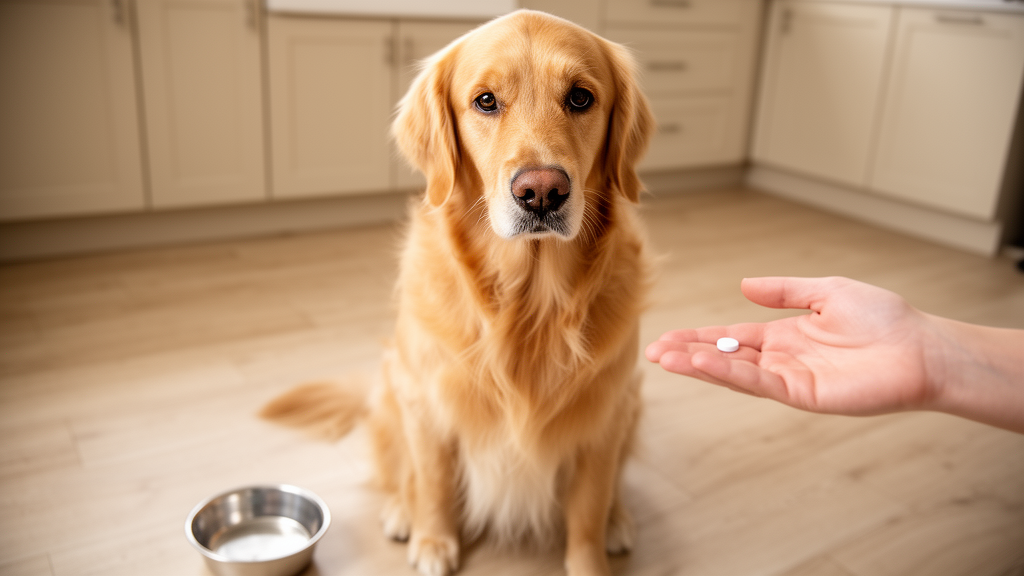
A 28-day feeding trial in adult Poodles suggests that swapping inorganic trace minerals for organic zinc and selenium yeast may nudge several markers of canine health in favorable directions. The study, published in Animal Microbiome, tracked immune responses, antioxidant status, skin hydration and the fecal microbiome of 18 dogs aged one to seven years, and found that the combined organic zinc and selenium diet produced the broadest set of measurable differences compared with a conventional inorganic mineral diet.
The researchers note that inorganic trace minerals are commonly used in pet food but are often associated with low bioavailability and environmental concerns. Low bioavailability means a smaller fraction of the ingested mineral is actually absorbed and usable by the body.
The trial divided the 18 Poodles into three dietary groups. One group received a basal diet containing inorganic trace minerals and served as the control. A second group received the same basal diet supplemented with organic zinc alone. The third received organic zinc together with selenium yeast. All dogs ate their assigned diet for 28 days, with blood, skin and fecal samples collected during the trial.
The clearest biochemical signal appeared in antioxidant defenses. By day 28, serum glutathione peroxidase activity was significantly higher in the dogs receiving both organic zinc and selenium yeast than in the inorganic mineral control group.
Inflammation-related markers also shifted. Serum tumor necrosis factor-alpha, a cytokine involved in systemic inflammatory responses, was significantly lower in the combined organic zinc and selenium group on both day 14 and day 28 compared with the control group. Serum diamine oxidase activity was significantly lower in that same group by day 28 than in both the inorganic mineral group and the organic zinc-only group. The authors interpret these differences cautiously, describing them as changes in selected inflammatory parameters rather than proof of clinical benefit.
Skin measurements offered a visible dimension to the results. Skin water content was significantly higher in both organic-supplemented groups, whether zinc alone or zinc plus selenium, than in the dogs on the inorganic mineral diet. The trial measured water content as a single parameter, so broader assessments of coat quality, sebum production or dermatological health were not part of the reported findings.
Perhaps the most striking differences emerged in the gut. Sequencing of fecal samples revealed that potentially opportunistic bacterial genera, including Escherichia, Klebsiella and Shigella, were more abundant in the inorganic mineral group. In contrast, genera widely regarded as beneficial or benign, including Enterococcus, Lactobacillus and Ligilactobacillus, were enriched in both organic-supplemented groups. These shifts suggest that the form in which trace minerals are delivered may influence fecal microbiome composition in adult dogs.
Fecal chemistry reinforced the microbiome picture. Butyrate concentration in feces was significantly higher in the combined organic zinc and selenium group than in either of the other two groups. Fecal butyrate concentration was higher in the combined organic zinc and selenium group, though the study measured biomarkers rather than health outcomes.
The authors are explicit that these findings are preliminary. The trial involved only 18 dogs, ran for just four weeks, and measured physiological and microbiome-related parameters rather than disease outcomes. No infections, skin conditions or digestive disorders were treated or prevented during the study, so the results speak to biomarker differences in healthy adult Poodles, not to therapeutic effects. Breed, age range and diet composition were controlled within the trial, but the narrow scope limits how far the conclusions can be generalized to other dogs, life stages or feeding regimens.
Larger and longer trials will be needed to determine whether these biochemical and microbial differences translate into tangible health advantages for the dogs themselves.
Subject of Research: Effects of organic zinc and selenium yeast supplementation on immune, antioxidant, skin and fecal microbiome parameters in adult dogs
Article Title: Effects of organic zinc and selenium yeast supplementation on immunological function, antioxidant capacity, skin hydration, and fecal microbiome in dogs
Article References: Sun, Z., Guo, Y., Lin, G., Wang, Q., Yi, C., Liu, P., Dong, T., & Wu, Y. (2026). Effects of organic zinc and selenium yeast supplementation on immunological function, antioxidant capacity, skin hydration, and fecal microbiome in dogs. Animal Microbiome. https://doi.org/10.1186/s42523-026-00627-9
Image Credits: AI Generated
DOI: 10.1186/s42523-026-00627-9
Keywords: dogs, organic zinc, selenium yeast, trace minerals, antioxidant, glutathione peroxidase, skin hydration, gut microbiome, butyrate, pet nutrition, Poodles, feeding trial
News Source: Kristina Jarvis. (October 30, 2026). Organic zinc and selenium yeast reshape immunity, skin hydration and gut microbes in dogs. Scienmag.



