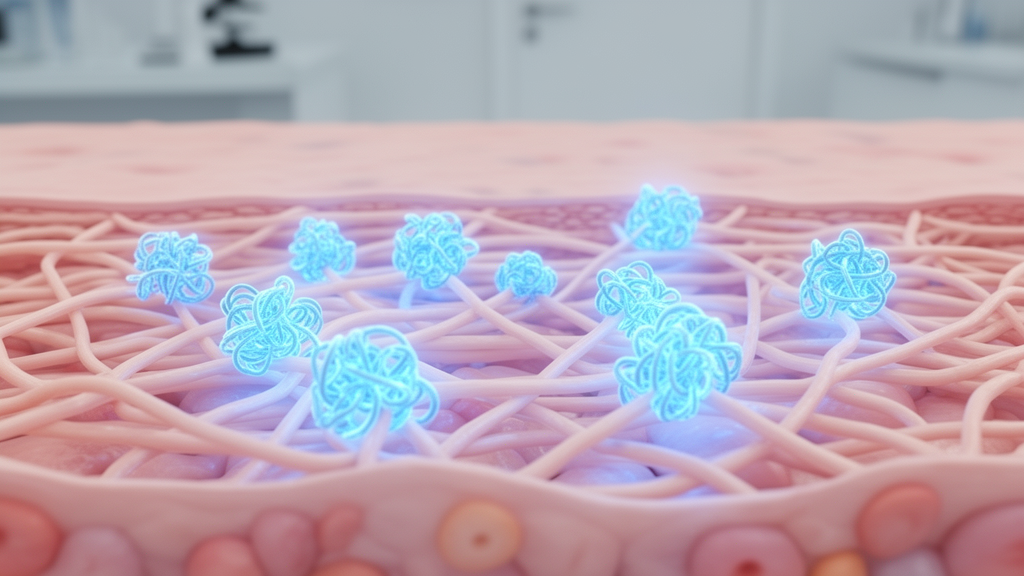
A seed amplification assay run on skin samples can detect the alpha-synuclein seeds that mark synucleinopathies and, crucially, distinguish the seed type found in multiple system atrophy from the type seen in Parkinson’s disease, according to a cohort study published in npj Parkinson’s Disease. In the 126-participant cohort, the skin-based assay reached 100% specificity and matched the cerebrospinal fluid classification of seed type in 97.8% of cases.
The alpha-synuclein seed amplification assay (synSAA) is a biomarker test that identifies underlying synuclein pathology in living patients. Cerebrospinal fluid versions of the assay can already separate Type 2 syn-seeds, the signature of multiple system atrophy (MSA), from Type 1 syn-seeds found in other synucleinopathies. Skin had been proposed as an alternative biospecimen for the assay, but syn-seeds had not been consistently detected and identified in MSA skin samples until now.
The research team analyzed a cohort that was deliberately enriched in Parkinson’s disease, with 64 participants, and in MSA, with 28 participants. This composition gave the study enough cases in both disease groups to evaluate how well the skin assay performed against the established cerebrospinal fluid test.
Their skin-based synSAA reached a sensitivity of 69% for Parkinson’s disease and 75% for MSA, meaning it correctly flagged roughly seven in ten Parkinson’s cases and three in four MSA cases. Specificity was 100%, so in this cohort the assay produced no positive results in participants without the target pathology. Agreement between the skin assay and the established cerebrospinal fluid assay reached 84.3% overall.
The most striking result concerned seed typing. The amplification pattern of MSA skin samples allowed clear identification of Type 2 syn-seeds, and agreement in syn-seed type between skin and cerebrospinal fluid reached 97.8%. A positive skin result did not merely confirm that synuclein pathology was present; it also revealed which pathological seed type was driving the patient’s disease, matching the classification obtained from cerebrospinal fluid in nearly every case.
The authors report that syn-seeds detected in skin correlated with those in cerebrospinal fluid. According to the study, the skin assay allowed detection and differentiation of the underlying synuclein pathology, supporting the idea that the skin test reflects the same pathological process measured in the cerebrospinal fluid specimen.
The study’s scope and limitations matter when weighing these numbers. Sensitivities below 80% mean the skin assay missed a substantial minority of cases in both disease groups. The cohort was enriched in Parkinson’s disease and MSA rather than drawn from a general clinical population, so performance in broader, less selected settings remains to be established. The published version is also an accepted manuscript shared early for faster access, subject to further edits before the final Version of Record.
Even so, the combination of 100% specificity, near-perfect seed-type agreement with cerebrospinal fluid, and clear Type 2 seed identification in skin marks a measurable advance for a biospecimen that had been proposed as an alternative to cerebrospinal fluid for synuclein seed testing. The findings establish that syn-seeds can be detected and typed in skin across synucleinopathies, closing a gap that had previously limited the use of skin samples in multiple system atrophy.
Subject of Research: Skin-based alpha-synuclein seed amplification assay for detecting and typing synuclein pathology in multiple system atrophy and Parkinson's disease
Article Title: Skin α-synuclein seed amplification assay for the identification of multiple system atrophy
Article References: Ma, Y., Weber, S., Farris, C. M., Schnell, S., Ebentheuer, J., Saathoff, Y., Kalinkara-Gomez, J., Murphy, D. M., Mollenhauer, B., & Concha-Marambio, L. (2026). Skin α-synuclein seed amplification assay for the identification of multiple system atrophy. npj Parkinson's Disease. https://doi.org/10.1038/s41531-026-01565-8
Image Credits: AI Generated
DOI: 10.1038/s41531-026-01565-8
Keywords: alpha-synuclein, seed amplification assay, multiple system atrophy, Parkinson's disease, skin biospecimen, biomarker, cerebrospinal fluid, synucleinopathies, seed typing, diagnostics, npj Parkinson's Disease, cohort study
News Source: Ophelia Keating. (October 24, 2026). Skin assay detects and types alpha-synuclein seeds in multiple system atrophy. Scienmag.