• HOME
  • NEWS
  • EXPLORE
    • CAREER
      • Companies
      • Jobs
    • EVENTS
    • iGEM
      • News
      • Team
    • PHOTOS
    • VIDEO
    • WIKI
  • BLOG
  • COMMUNITY
    • FACEBOOK
    • INSTAGRAM
    • TWITTER
Sunday, August 16, 2026
BIOENGINEER.ORG
No Result
View All Result
  • Login
  • HOME
  • NEWS
  • EXPLORE
    • CAREER
      • Companies
      • Jobs
        • Lecturer
        • PhD Studentship
        • Postdoc
        • Research Assistant
    • EVENTS
    • iGEM
      • News
      • Team
    • PHOTOS
    • VIDEO
    • WIKI
  • BLOG
  • COMMUNITY
    • FACEBOOK
    • INSTAGRAM
    • TWITTER
  • HOME
  • NEWS
  • EXPLORE
    • CAREER
      • Companies
      • Jobs
        • Lecturer
        • PhD Studentship
        • Postdoc
        • Research Assistant
    • EVENTS
    • iGEM
      • News
      • Team
    • PHOTOS
    • VIDEO
    • WIKI
  • BLOG
  • COMMUNITY
    • FACEBOOK
    • INSTAGRAM
    • TWITTER
No Result
View All Result
Bioengineer.org
No Result
View All Result
Home NEWS Science News Health

Mason researchers Narayanan and Veneziano receive funding to build better vaccines

Bioengineer by Bioengineer
January 21, 2020
in Health
Reading Time: 1 min read
0
IMAGE
Share on FacebookShare on TwitterShare on LinkedinShare on RedditShare on Telegram

IMAGE

Credit: George Mason University


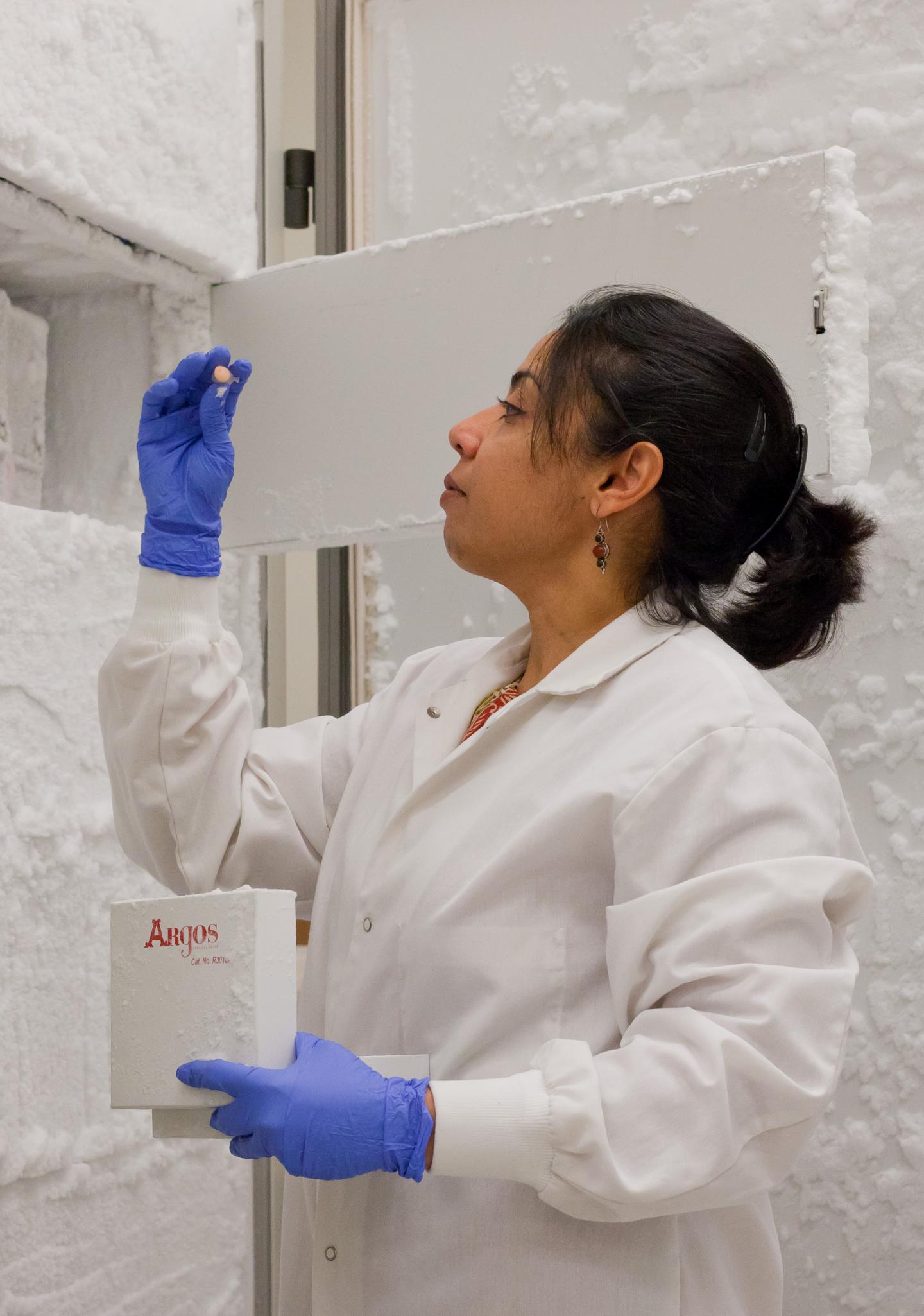
George Mason University’s Aarthi Narayanan, Associate Professor, College of Science and the National Center for Biodefense and Infectious Disease, and Remi Veneziano, Assistant Professor, Volgenau School of Engineering, received $314,000 from U.S. Army Medical Research Acquisition Activity (USAMRAA) for a project researching DNA-nanoparticles and vaccine design.

This project will explore a new vaccine design that uses one-, two-, and three-dimensional structures made out of DNA molecules, commonly referred to as DNA origami, to deliver viral antigens. The benefit of this approach over traditional vaccines lies in the customizable, nanoscale organization of the DNA structures. Antigens can be placed in precise locations on the DNA scaffold, and the antigens delivered can be heterogenous/combinations. The researchers expect to find that the specificity of arrangement increases the immunogenic potential of the vaccine while ensuring safety.

The vaccine design being investigated could pave the way for a uniform approach to serious challenges, such as dengue virus and other emerging infectious agents. Following a proven approach to develop a vaccine would help it be more readily accepted by the market and decrease the time it takes to get a vaccine to patients.

###

Media Contact
George Mason University
[email protected]
703-993-7073
Tags: BiochemistryBiologyBiotechnologyGrants/FundingImmunology/Allergies/AsthmaInfectious/Emerging DiseasesMedicine/HealthVaccinesVirology
Share12Tweet8Share2ShareShareShare2

Related Posts

PARP1 Drives Neuropathic Pain Through GPX4-Dependent Ferroptosis in Injured Mice’s Sensory Neurons

August 15, 2026

Genome-wide skin pQTL map reveals genetic regulators and mechanisms underlying skin disorders

August 15, 2026

Levistilide A Drives Ferroptosis via RNF40-HSP90α Axis, Suppressing Colorectal Cancer Lung Metastasis

August 15, 2026

Sintilimab, IBI305, and Chemotherapy Show Promise in First-Line Advanced Gastric and GEJ Adenocarcinoma

August 15, 2026
Please login to join discussion

POPULAR NEWS

  • KAIST develops semiconductor neuron that harnesses noise to selectively process signals

    29 shares
    Share 12 Tweet 7
  • Imagining natural and extra robotic thumbs together strengthens kinesthetic sensorimotor networks

    29 shares
    Share 12 Tweet 7
  • PARP1 Drives Neuropathic Pain Through GPX4-Dependent Ferroptosis in Injured Mice’s Sensory Neurons

    29 shares
    Share 12 Tweet 7
  • Strubbelig–NHL3 Receptor Complex Helps Arabidopsis Respond to Cellulose Deficiency

    29 shares
    Share 12 Tweet 7

About

We bring you the latest biotechnology news from best research centers and universities around the world. Check our website.

Follow us

Recent News

KAIST develops semiconductor neuron that harnesses noise to selectively process signals

Imagining natural and extra robotic thumbs together strengthens kinesthetic sensorimotor networks

PARP1 Drives Neuropathic Pain Through GPX4-Dependent Ferroptosis in Injured Mice’s Sensory Neurons

Subscribe to Blog via Email

Success! An email was just sent to confirm your subscription. Please find the email now and click 'Confirm' to start subscribing.

Join 85 other subscribers
  • Contact Us

Bioengineer.org © Copyright 2023 All Rights Reserved.

Welcome Back!

Login to your account below

Forgotten Password?

Retrieve your password

Please enter your username or email address to reset your password.

Log In
No Result
View All Result
  • Homepages
    • Home Page 1
    • Home Page 2
  • News
  • National
  • Business
  • Health
  • Lifestyle
  • Science

Bioengineer.org © Copyright 2023 All Rights Reserved.