• HOME
  • NEWS
  • EXPLORE
    • CAREER
      • Companies
      • Jobs
    • EVENTS
    • iGEM
      • News
      • Team
    • PHOTOS
    • VIDEO
    • WIKI
  • BLOG
  • COMMUNITY
    • FACEBOOK
    • INSTAGRAM
    • TWITTER
Saturday, August 15, 2026
BIOENGINEER.ORG
No Result
View All Result
  • Login
  • HOME
  • NEWS
  • EXPLORE
    • CAREER
      • Companies
      • Jobs
        • Lecturer
        • PhD Studentship
        • Postdoc
        • Research Assistant
    • EVENTS
    • iGEM
      • News
      • Team
    • PHOTOS
    • VIDEO
    • WIKI
  • BLOG
  • COMMUNITY
    • FACEBOOK
    • INSTAGRAM
    • TWITTER
  • HOME
  • NEWS
  • EXPLORE
    • CAREER
      • Companies
      • Jobs
        • Lecturer
        • PhD Studentship
        • Postdoc
        • Research Assistant
    • EVENTS
    • iGEM
      • News
      • Team
    • PHOTOS
    • VIDEO
    • WIKI
  • BLOG
  • COMMUNITY
    • FACEBOOK
    • INSTAGRAM
    • TWITTER
No Result
View All Result
Bioengineer.org
No Result
View All Result
Home NEWS Science News Health

Mason researchers Narayanan and Veneziano receive funding to build better vaccines

Bioengineer by Bioengineer
January 21, 2020
in Health
Reading Time: 1 min read
0
IMAGE
Share on FacebookShare on TwitterShare on LinkedinShare on RedditShare on Telegram

IMAGE

Credit: George Mason University


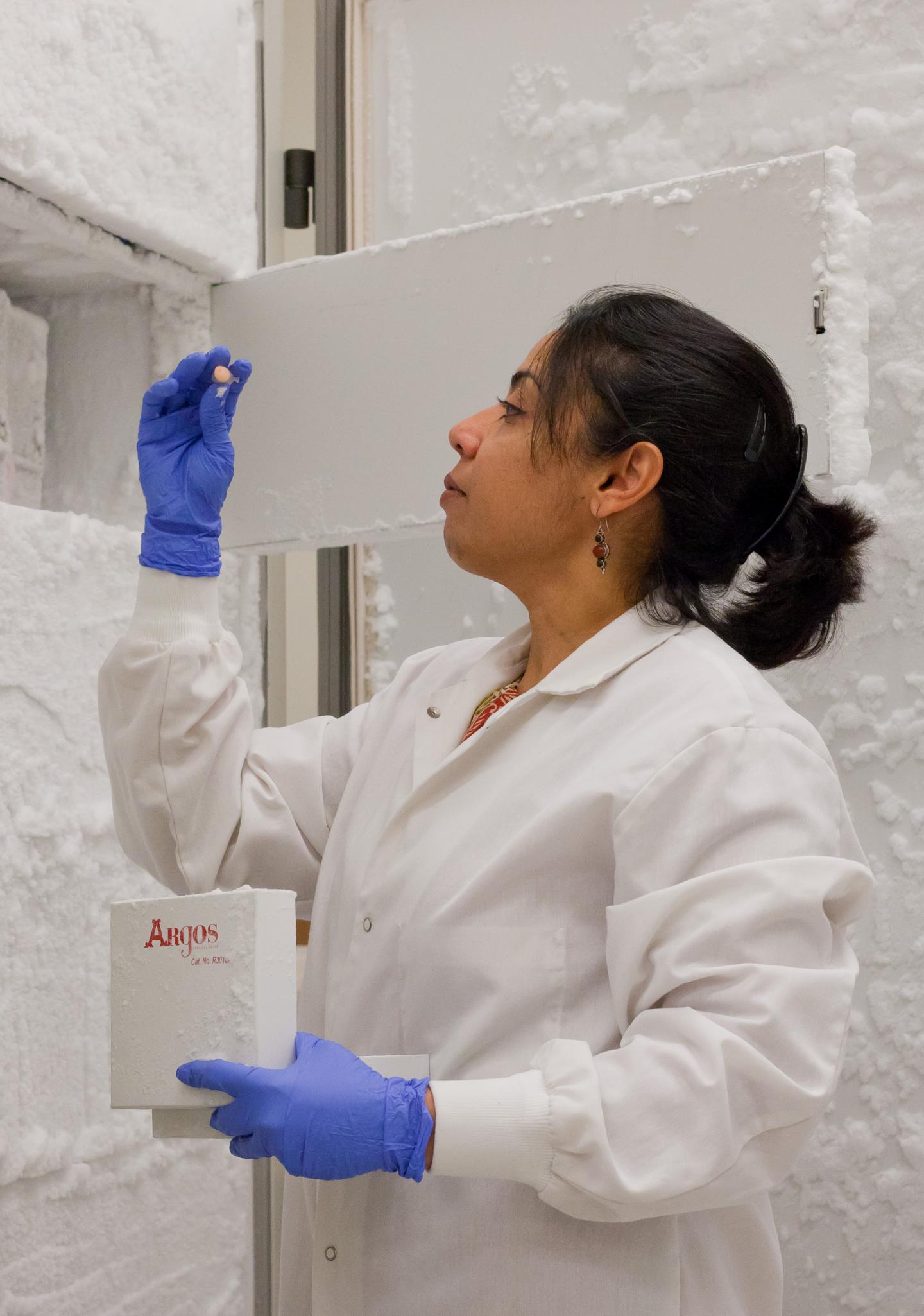
George Mason University’s Aarthi Narayanan, Associate Professor, College of Science and the National Center for Biodefense and Infectious Disease, and Remi Veneziano, Assistant Professor, Volgenau School of Engineering, received $314,000 from U.S. Army Medical Research Acquisition Activity (USAMRAA) for a project researching DNA-nanoparticles and vaccine design.

This project will explore a new vaccine design that uses one-, two-, and three-dimensional structures made out of DNA molecules, commonly referred to as DNA origami, to deliver viral antigens. The benefit of this approach over traditional vaccines lies in the customizable, nanoscale organization of the DNA structures. Antigens can be placed in precise locations on the DNA scaffold, and the antigens delivered can be heterogenous/combinations. The researchers expect to find that the specificity of arrangement increases the immunogenic potential of the vaccine while ensuring safety.

The vaccine design being investigated could pave the way for a uniform approach to serious challenges, such as dengue virus and other emerging infectious agents. Following a proven approach to develop a vaccine would help it be more readily accepted by the market and decrease the time it takes to get a vaccine to patients.

###

Media Contact
George Mason University
[email protected]
703-993-7073

Tags: BiochemistryBiologyBiotechnologyGrants/FundingImmunology/Allergies/AsthmaInfectious/Emerging DiseasesMedicine/HealthVaccinesVirology
Share12Tweet8Share2ShareShareShare2

Related Posts

Decoding clinical masking in SAA-positive Parkinson’s disease with a peripheral diagnostic panel

August 15, 2026

Blocking PHGDH overcomes dabrafenib resistance through metabolic rewiring in thyroid cancer

August 15, 2026

Theta Stimulation Boosts Cognition in Parkinson’s Patients with Cognitive Impairment

August 15, 2026

Lipid-loaded reactive microglia drive retinal degeneration in mice through CD36-NLRP3-IL-1β signaling

August 15, 2026
Please login to join discussion

POPULAR NEWS

  • Decoding clinical masking in SAA-positive Parkinson’s disease with a peripheral diagnostic panel

    29 shares
    Share 12 Tweet 7
  • Blocking PHGDH overcomes dabrafenib resistance through metabolic rewiring in thyroid cancer

    29 shares
    Share 12 Tweet 7
  • Epoxy-Engineered PZT Nanocomposite Sensor Array Enables Noise-Resistant Health and Swallowing Monitoring

    29 shares
    Share 12 Tweet 7
  • Scientists Increasingly Rely on Black-Box Tools They Neither Control Nor Understand

    29 shares
    Share 12 Tweet 7

About

We bring you the latest biotechnology news from best research centers and universities around the world. Check our website.

Follow us

Recent News

Decoding clinical masking in SAA-positive Parkinson’s disease with a peripheral diagnostic panel

Blocking PHGDH overcomes dabrafenib resistance through metabolic rewiring in thyroid cancer

Epoxy-Engineered PZT Nanocomposite Sensor Array Enables Noise-Resistant Health and Swallowing Monitoring

Subscribe to Blog via Email

Enter your email address to subscribe to this blog and receive notifications of new posts by email.

Join 85 other subscribers
  • Contact Us

Bioengineer.org © Copyright 2023 All Rights Reserved.

Welcome Back!

Login to your account below

Forgotten Password?

Retrieve your password

Please enter your username or email address to reset your password.

Log In
No Result
View All Result
  • Homepages
    • Home Page 1
    • Home Page 2
  • News
  • National
  • Business
  • Health
  • Lifestyle
  • Science

Bioengineer.org © Copyright 2023 All Rights Reserved.