• HOME
  • NEWS
  • EXPLORE
    • CAREER
      • Companies
      • Jobs
    • EVENTS
    • iGEM
      • News
      • Team
    • PHOTOS
    • VIDEO
    • WIKI
  • BLOG
  • COMMUNITY
    • FACEBOOK
    • INSTAGRAM
    • TWITTER
Tuesday, July 28, 2026
BIOENGINEER.ORG
No Result
View All Result
  • Login
  • HOME
  • NEWS
  • EXPLORE
    • CAREER
      • Companies
      • Jobs
        • Lecturer
        • PhD Studentship
        • Postdoc
        • Research Assistant
    • EVENTS
    • iGEM
      • News
      • Team
    • PHOTOS
    • VIDEO
    • WIKI
  • BLOG
  • COMMUNITY
    • FACEBOOK
    • INSTAGRAM
    • TWITTER
  • HOME
  • NEWS
  • EXPLORE
    • CAREER
      • Companies
      • Jobs
        • Lecturer
        • PhD Studentship
        • Postdoc
        • Research Assistant
    • EVENTS
    • iGEM
      • News
      • Team
    • PHOTOS
    • VIDEO
    • WIKI
  • BLOG
  • COMMUNITY
    • FACEBOOK
    • INSTAGRAM
    • TWITTER
No Result
View All Result
Bioengineer.org
No Result
View All Result
Home NEWS Science News Biology

Why does an anesthetic make us lose consciousness?

Bioengineer by Bioengineer
February 13, 2018
in Biology
Reading Time: 2 mins read
0
Share on FacebookShare on TwitterShare on LinkedinShare on RedditShare on Telegram
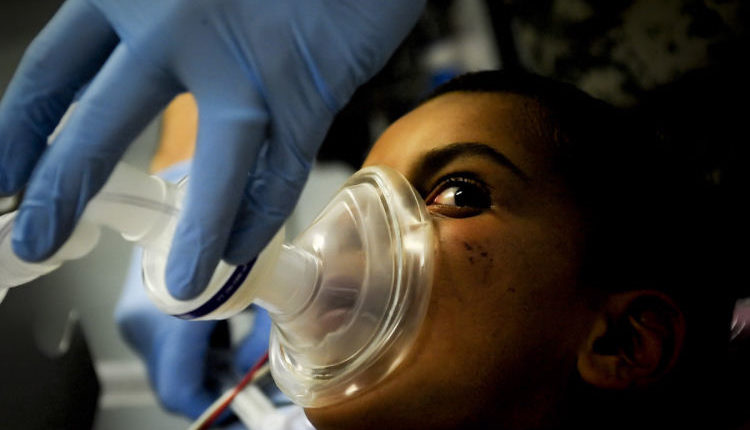
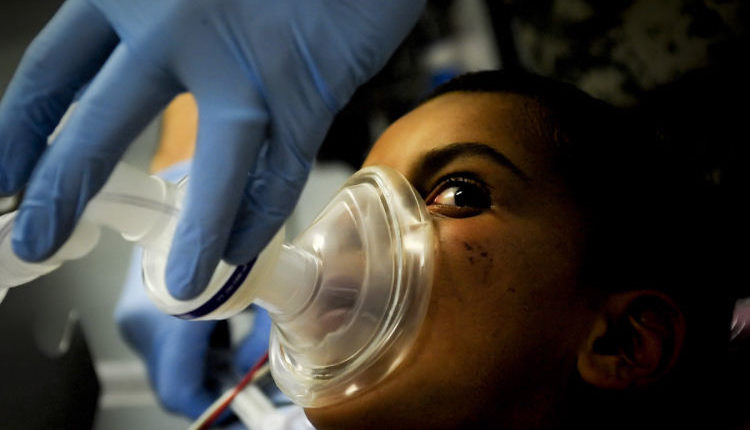
Credits: Wikimedia Commons

FRANKFURT. To date, researchers assumed that anesthetics interrupt signal transmission between different areas of the brain and that is why we lose consciousness. Neuroscientists at Goethe University Frankfurt and the Max Planck Institute for Dynamics and Self-Organization in Göttingen have now discovered that certain areas of the brain generate less information when under anesthesia. The drop in information transfer often measured when the brain is under anesthesia could be a consequence of this reduced local information generation and not – as was so far assumed – a result of disrupted signal Transmission between brain areas.

If only a few telephone calls are made in a city then it could be the case that several telecommunication systems have broken down – or it is nighttime and most people are asleep. The situation is similar in an anesthetized brain: if there is remarkably little information transfer between various areas of the brain then either signal transmission in the nerve fibers is blocked or certain areas of the brain are less active as far as the generation of information is concerned.

Patricia Wollstadt, Favio Frohlich, their colleagues from the Brain Imaging Center at Goethe University Frankfurt and researchers at the MPI for Dynamics and Self-Organization have now investigated this second hypothesis. As they have announced in the current issue of “PLOS Computational Biology“, they used ferrets to examine “source” brain areas from which less information was transmitted under anesthesia than in a waking state. They found out that information generation under anesthesia was far more affected there than in the “target” brain areas to which the information was transferred. This indicates that it is the information available in the source area which determines information transfer and not a disruption in signal transmission. Were the latter the case, a far greater reduction could be expected in the target areas since less information “arrives” there.

“The relevance of this alternative explanation goes beyond anesthesia research, says Patricia Wollstadt, “since each and every examination of neuronal information transfer should categorically take into consideration how much information is available locally and is therefore also transferable.”

###

Media Contact

Prof. Dr. Michael Wibral
[email protected]
@goetheuni

http://www.uni-frankfurt.de

Share13Tweet8Share2ShareShareShare2

Related Posts

AI Camera System Tracks Bumblebees, Offering Affordable Insect Monitoring

AI Camera System Tracks Bumblebees, Offering Affordable Insect Monitoring

July 28, 2026
TIE1 suppresses fertilization-independent endosperm development by recruiting PRC2

TIE1 suppresses fertilization-independent endosperm development by recruiting PRC2

July 28, 2026

Forces of Push and Pull Shape How Blood Flows Through Vessels

July 28, 2026

How the body’s natural recycling system may reduce inflammation

July 28, 2026
Please login to join discussion

POPULAR NEWS

  • Adaptive policies could boost Zambia nutrition security amid future climate shocks

    29 shares
    Share 12 Tweet 7
  • Study finds higher healthcare costs linked to inappropriate medication use in seniors

    29 shares
    Share 12 Tweet 7
  • Single-Plane Imaging Tracks Dynamic 3D Structures in Living Cells with Focus Feedback

    29 shares
    Share 12 Tweet 7
  • Nanoneedle Arrays Enable Sequencing-Free Spatial Profiling of Fresh Tissue Regulation

    29 shares
    Share 12 Tweet 7

About

We bring you the latest biotechnology news from best research centers and universities around the world. Check our website.

Follow us

Recent News

Adaptive policies could boost Zambia nutrition security amid future climate shocks

Study finds higher healthcare costs linked to inappropriate medication use in seniors

Single-Plane Imaging Tracks Dynamic 3D Structures in Living Cells with Focus Feedback

Subscribe to Blog via Email

Enter your email address to subscribe to this blog and receive notifications of new posts by email.

Join 85 other subscribers
  • Contact Us

Bioengineer.org © Copyright 2023 All Rights Reserved.

Welcome Back!

Login to your account below

Forgotten Password?

Retrieve your password

Please enter your username or email address to reset your password.

Log In
No Result
View All Result
  • Homepages
    • Home Page 1
    • Home Page 2
  • News
  • National
  • Business
  • Health
  • Lifestyle
  • Science

Bioengineer.org © Copyright 2023 All Rights Reserved.