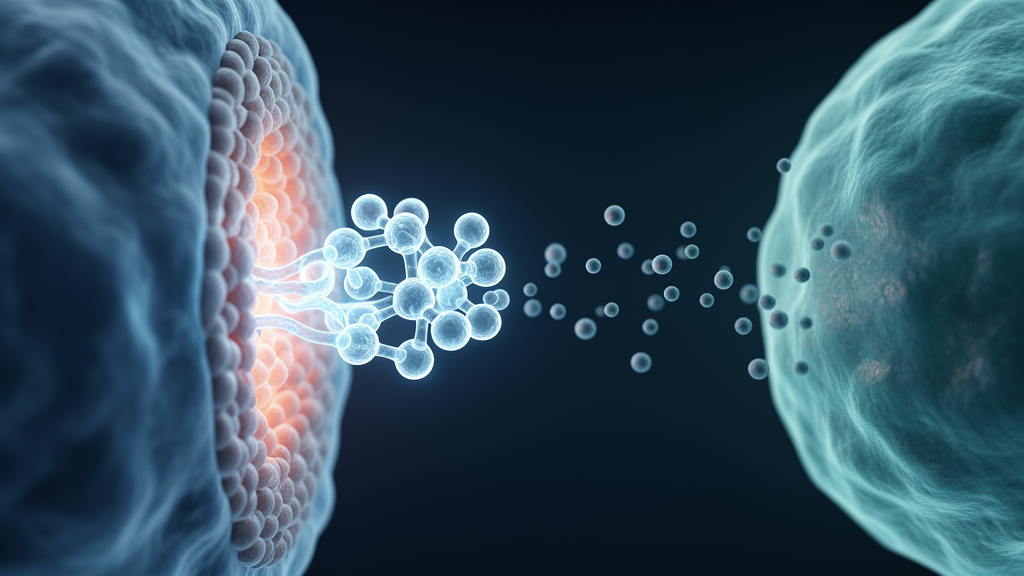
Varenicline, a drug best known as a smoking cessation aid, is drawing renewed attention for its possible role in neuropsychiatric disorders. A review published in Molecular Biology Reports examines the α4β2 nicotinic receptor, which has been implicated in the pathophysiology of a range of these conditions, and evaluates how its selective agonist varenicline might act on the molecular pathways involved.
The authors, led by researchers including Abdolkarim Taheri, Michael Aschner, Fatemeh Rahmati-Dehkordi and Omid Reza Tamtaji, describe emerging preclinical evidence suggesting that varenicline may exert neuroprotective effects through modulation of several processes. These include synaptic plasticity and synaptic proteins, neuroinflammation, microglial activation, apoptosis and autophagy. The review is careful to note, however, that direct target engagement for many of these pathways has not yet been established, meaning the proposed mechanisms remain largely hypothetical at the molecular level.
Unlike earlier reviews that concentrated on varenicline as a smoking cessation aid or on its potential in a single disease, the new article takes a broader approach. It focuses on the molecular level, mapping the pathways affected across different disorders and discussing, within each section, the evidence currently available from studies in rodent models and from clinical trials. This structure allows the authors to compare how the same compound might interact with distinct disease mechanisms.
The review also weighs the potential benefits and drawbacks of using a single compound to treat a variety of disorders, an approach that could simplify therapy but raises questions about whether one mechanism can address conditions with different underlying biology. The authors highlight areas for future research, particularly the need to confirm whether varenicline actually engages the proposed targets in patients rather than only in laboratory models.
The context for this work is the limited effectiveness of current drug therapies for many neuropsychiatric conditions, which the authors describe as inadequate and as creating an urgent need for new treatments. By consolidating rodent and clinical evidence on synaptic, inflammatory, cell-death and autophagy pathways in one place, the review aims to give researchers a clearer picture of where varenicline’s therapeutic promise is best supported and where critical gaps remain before any clinical application beyond smoking cessation can be considered.
Subject of Research: Molecular mechanisms of varenicline as a potential therapy for neuropsychiatric disorders
Article Title: Therapeutic potential of varenicline in neuropsychiatric disorders: insights into its molecular mechanisms
Article References: Talebi Taheri, A., Aschner, M., Rahmati-Dehkordi, F., & Tamtaji, O. R. (2026). Therapeutic potential of varenicline in neuropsychiatric disorders: insights into its molecular mechanisms. Molecular Biology Reports, 53(1), Article 1762. https://doi.org/10.1007/s11033-026-12921-5
Image Credits: AI Generated
DOI: 10.1007/s11033-026-12921-5
Keywords: varenicline, α4β2 nicotinic receptor, neuropsychiatric disorders, neuroinflammation, synaptic plasticity, apoptosis, autophagy, microglial activation, neuroprotection, review, Therapeutic, potential
News Source: Drew Townsend. (October 28, 2026). Varenicline’s molecular mechanisms in neuropsychiatric disorders reviewed. Scienmag.