Deep inside the waxy skin of an apple, in rosemary leaves and in medicinal herbs used for centuries, sits a molecule that is now drawing serious attention from cancer researchers. Ursolic acid, a pentacyclic triterpenoid, has long been known for its antimicrobial and anti-inflammatory properties, but a comprehensive review published in Molecular Biology Reports by Shipra Goyal and Baljinder Singh of Central University of Punjab argues that its true promise lies in oncology. The review, published on 16 October 2026, weaves together hundreds of preclinical findings into a single technical narrative: ursolic acid attacks tumors from multiple angles at once, targeting the very signaling circuits that cancers depend on for growth, survival, and spread.
What makes ursolic acid unusual among natural compounds is its multi-targeted mechanism of action. Rather than binding a single receptor, it modulates several major oncogenic pathways simultaneously. The review highlights four in particular: PI3K/AKT/mTOR, MAPK, NF-κB, and JAK/STAT. These pathways are the molecular engines of malignancy. PI3K/AKT/mTOR drives cell survival and metabolism; MAPK governs proliferation and differentiation; NF-κB controls inflammatory transcription that fuels tumor growth; and JAK/STAT relays growth factor and cytokine signals straight to the nucleus. By interfering with all four, ursolic acid inhibits tumor growth, survival, and metastasis in a way that single-target drugs often fail to achieve.
The technical details of how the compound disrupts these circuits are striking. In breast cancer cells, ursolic acid decreases the proliferation of cancer stem-like cells by modulating the ERK and PI3K/AKT signaling pathways. In ovarian cancer, it downregulates PI3K/AKT while mediating ROS and mitochondrial membrane potential-driven apoptosis and cell cycle arrest, and more recent work shows it inhibits glycolysis through the KLF5/PI3K/AKT signaling pathway—cutting off the metabolic reprogramming that ovarian tumors rely on. In osteosarcoma cells, ursolic acid triggers apoptosis via caspase activation and the ERK1/2 MAPK pathway. In leukemia T-cells, it alters cytokine production through the MAPK pathways. The compound also suppresses cyclin B1 to regulate cell cycle and proliferation in colon adenocarcinoma, and in endometrial cancer it acts on MAPK within cyclin D1 signaling and RING-type E3 ligase machinery.
NF-κB suppression is another recurring theme. Ursolic acid induces apoptosis by activating p53 and caspase-3 gene expression while suppressing NF-κB-mediated activation of bcl-2 in melanoma cells. It enhances chemotherapeutic agent-induced apoptosis by inhibiting NF-κB, and in gemcitabine-resistant pancreatic cancer it induces apoptosis via the JNK and PI3K/Akt/NF-κB pathways. In bladder cancer cells, it induces apoptosis through Akt/NF-κB signaling suppression. The compound also upregulates UGT1A1 expression by inhibiting the PKC/NF-κB signaling pathway, and it protects against inflammatory responses in gastric tumor models by blocking NLRP3 inflammasome activation—demonstrating that its anticancer and anti-inflammatory actions are mechanistically intertwined.
The JAK/STAT pathway, particularly STAT3, is a third major target. Ursolic acid inhibits STAT3 activation, leading to suppression of proliferation and chemosensitization of human multiple myeloma cells. Inhibition of STAT3 signaling suppresses growth of hepatocellular carcinoma. In non-small cell lung cancer, ursolic acid exerts antitumor effects by blocking STAT3/PD-L1 signaling—a finding with obvious immunotherapy implications, since PD-L1 is the molecular shield tumors use to evade immune attack. In colorectal cancer cells, ursolic acid induces apoptosis partly through upregulation of MicroRNA-4500 and inhibition of JAK2/STAT3 phosphorylation, adding a microRNA layer to its mechanism.
Beyond pathway modulation, the review emphasizes that ursolic acid induces apoptosis through both intrinsic and extrinsic routes. The intrinsic, mitochondrial pathway involves mitochondrial dysfunction, oxidative stress, and caspase-3 activation: in melanoma cells, ursolic acid induces apoptosis through the mitochondrial intrinsic pathway; in breast cancer cells, it acts through both mitochondrial and extrinsic death receptor pathways; in HeLa cells, it induces apoptosis through the mitochondrial pathway and suppression of ERK1/2 MAPK. The extrinsic route engages death receptors on the cell surface, and ursolic acid sensitizes prostate cancer cells to TRAIL-mediated apoptosis. Ursolic acid and its derivatives also induce mitophagy in lung cancer cells, and derivatives evoke apoptosis through endoplasmic reticulum stress. In oral cancer cells, a derivative triggers ROS-dependent p53-mediated mitochondrial apoptosis.
The p53 tumor suppressor is a central node in many of these effects. Ursolic acid induces hepatoma cell apoptosis via a p53-dependent pathway, induces apoptosis of SW480 colon cancer cells via p53 activation, and induces apoptosis in nasopharyngeal carcinoma cells through the p53 signaling pathway. It also ameliorates p53 gene mutation induced by cyclophosphamide, suggesting a protective role against genotoxic damage. Additional mechanisms include suppression of vaccinia-related kinase 1-mediated damage repair in lung cancer cells, promotion of apoptosis through ROCK/PTEN-mediated mitochondrial translocation of cofilin-1 in prostate cancer, and metabolic rewiring with epigenetic reprogramming in prostate cancer cells. Ursolic acid suppresses cholesterol biosynthesis in hepatocellular carcinoma, downregulates ARL4C to inhibit colon cancer metastasis, regulates the TGF-β1/ZEB1/miR-200c signaling pathway to suppress invasion, downregulates Wnt/β-catenin signaling in colorectal cancer, and suppresses TGFβ-mediated epithelial-mesenchymal transition and angiogenesis in glioblastoma.
Drug resistance is where the review turns especially compelling. Ursolic acid sensitizes cisplatin-resistant hepatocellular carcinoma cells to cisplatin by inhibiting the Nrf2/ARE pathway. It restores gemcitabine sensitivity in pancreatic cancer through the RAGE/NF-κB/MDR1 axis, both in cells and in a mouse xenograft model. It enhances the sensitivity of breast cancer cells to epirubicin by modulating the autophagy pathway, and combined use with zoledronic acid augments apoptosis in osteosarcoma through enhanced oxidative stress and autophagy. Synergism with 2-deoxy-D-glucose preferentially induces tumor cell death by dual-targeting apoptosis and glycolysis. The compound disrupts cancer stem cell properties, inhibits ovarian cancer stem-like cells through epithelial-mesenchymal transition, and impairs cellular lipid homeostasis and lysosomal membrane integrity in breast carcinoma cells. It even alleviates cancer cachexia and prevents muscle wasting by activating SIRT1, and inhibits metastasis of doxorubicin-resistant breast cancer.
The obstacle is bioavailability. Ursolic acid is poorly soluble and poorly absorbed, which limits the concentrations reaching tumors. The review catalogs a wave of nanoparticle-based delivery systems designed to overcome this: chitosan-coated PLGA nanoparticles loaded with ursolic acid for breast cancer therapy; folate-chitosan nanoparticles conferring anti-breast cancer activity in vitro and in vivo; PLGA nanoparticles against pancreatic ductal adenocarcinoma; hyaluronic acid-modified polydopamine nanomedicine loaded with ursolic acid and astragaloside IV for combined chemo-immuno-photothermal therapy in non-small cell lung cancer; self-assembled folic acid-targeted pectin-multi-arm PEG nanoparticles for intracellular chemotherapy; carrier-free pure nanodrug self-assembly for cancer immune therapy; poly(N-vinylpyrrolidone)-block-poly(ε-caprolactone) nanoparticles inhibiting hepatocellular carcinoma growth in vitro and in vivo; β-cyclodextrin inclusion complexation enhancing antitumor and antibacterial activities; a bioactive assembly cofactor-assisted ursolic acid helix with enhanced anticancer efficacy via in situ virus-like transition; and multifunctional vesicles combining ursolic acid with kinase inhibitors.
Despite this progress, the review is candid about what remains unknown. The precise molecular mechanisms and optimal therapeutic doses of ursolic acid have not been fully elucidated, and the compound has not yet advanced into clinical cancer therapy. Preclinical evidence spans leukemia, melanoma, breast, lung, ovarian, pancreatic, prostate, colon, thyroid, liver, bladder, gastric, cervical, endometrial, nasopharyngeal, oral, throat, esophageal, and glioblastoma models, with in vivo work in TRAMP mice prolonging survival and orthotopic pancreatic models enhancing gemcitabine’s antitumor potential through suppression of the inflammatory microenvironment. Goyal and Singh position ursolic acid as a candidate complementary or standalone anticancer agent, arguing that with better delivery systems and clearer dose-response data, a molecule found in apple skins could earn a place in the oncology clinic.
Subject of Research: Cancer Research
Article Title: Ursolic acid in cancer therapy: a review of signaling pathways and apoptotic mechanisms
Article References: Goyal, S., & Singh, B. (2026). Ursolic acid in cancer therapy: a review of signaling pathways and apoptotic mechanisms. Molecular Biology Reports, 53(1), Article 1736. https://doi.org/10.1007/s11033-026-12846-z
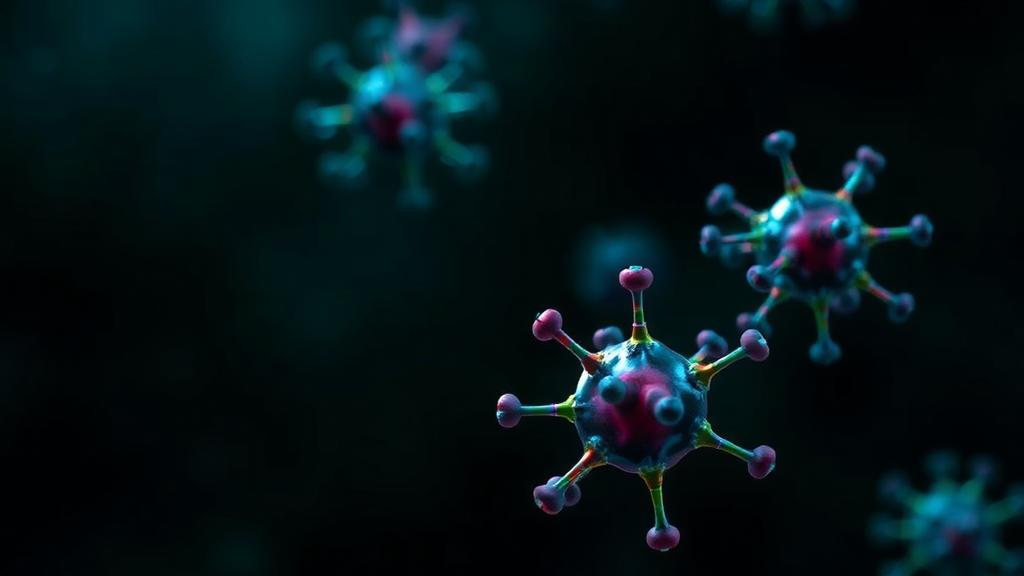
Image Credits: AI Generated
DOI: 10.1007/s11033-026-12846-z
Keywords: ursolic acid, cancer therapy, apoptosis, PI3K/AKT/mTOR, NF-kB, JAK/STAT, cancer stem cells, nanoparticles, triterpenoid, drug resistance, Ursolic, acid
News Source: Nathaniel Bowman. (October 16, 2026). Ursolic Acid Emerges as a Multi-Target Natural Weapon Against Cancer. Scienmag.