

• HOME
  • NEWS
  • EXPLORE
    • CAREER
      • Companies
      • Jobs
    • EVENTS
    • iGEM
      • News
      • Team
    • PHOTOS
    • VIDEO
    • WIKI
  • BLOG
  • COMMUNITY
    • FACEBOOK
    • INSTAGRAM
    • TWITTER
Monday, May 11, 2026
BIOENGINEER.ORG
No Result
View All Result
  • Login
  • HOME
  • NEWS
  • EXPLORE
    • CAREER
      • Companies
      • Jobs
        • Lecturer
        • PhD Studentship
        • Postdoc
        • Research Assistant
    • EVENTS
    • iGEM
      • News
      • Team
    • PHOTOS
    • VIDEO
    • WIKI
  • BLOG
  • COMMUNITY
    • FACEBOOK
    • INSTAGRAM
    • TWITTER
  • HOME
  • NEWS
  • EXPLORE
    • CAREER
      • Companies
      • Jobs
        • Lecturer
        • PhD Studentship
        • Postdoc
        • Research Assistant
    • EVENTS
    • iGEM
      • News
      • Team
    • PHOTOS
    • VIDEO
    • WIKI
  • BLOG
  • COMMUNITY
    • FACEBOOK
    • INSTAGRAM
    • TWITTER
No Result
View All Result
Bioengineer.org
No Result
View All Result
Home NEWS Science News Health

University of Houston researcher developing device to treat babies with blood disorders

Bioengineer by Bioengineer
May 7, 2020
in Health
Reading Time: 2 mins read
0
IMAGE
Share on FacebookShare on TwitterShare on LinkedinShare on RedditShare on Telegram

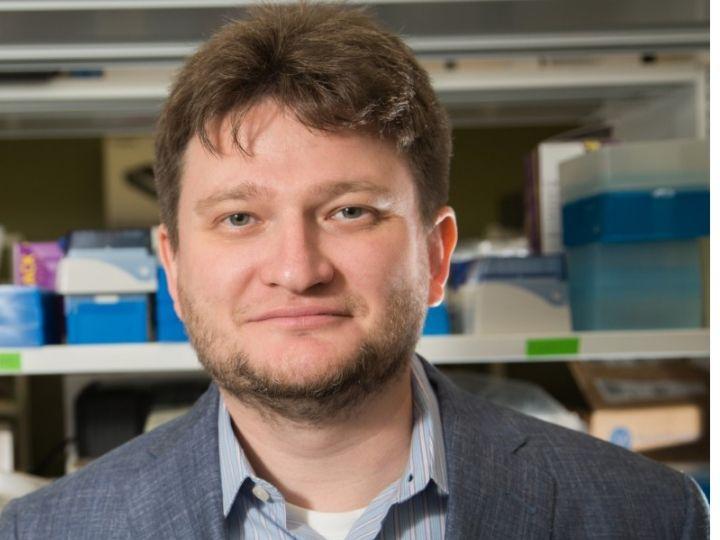
Adapting microfluidic technology to enable leukapheresis increases access to cell-based therapies
IMAGE

Credit: University of Houston

With severe blood disorders, such as leukemia, doctors often rely on leukapheresis, a procedure in which large machines extract whole blood from patients to separate white blood cells from the rest of the blood, which is then returned back to the patient. This procedure is generally used to urgently reduce a dangerously elevated white blood cell count, or to collect various white blood cell subsets for therapeutic purposes.

“Although well-tolerated by most adults and older children, leukapheresis in young children, weighing less than about 22 pounds, is technically challenging and clinically risky,” said biomedical engineering professor Sergey Shevkoplyas who has been awarded $1.6 million from the National Heart, Lung, and Blood Institute to develop pediatric-sized technology. Baylor College of Medicine collaborators include Fong W. Lam and Karen R. Rabin.

Leukapheresis is currently performed using centrifugation-based machines, which require a substantial amount of blood be taken out of a patient, putting small children at significantly higher risk of low blood pressure, catheter-related thrombosis, infections, severe anemia and even death.

Shevkoplyas is developing a new device that looks like a small plastic dish with many tiny channels cut into it. The channels are designed to separate blood cells by size, using a new cell separation approach called controlled incremental filtration (CIF). He and his colleagues are planning to adapt CIF to enable separation of white blood cells from flowing blood with high efficiency, minimal loss of red blood cells and platelets, and at flow rates on par with conventional leukapheresis.

“The ability to perform leukapheresis safely and effectively in these most vulnerable pediatric patients will significantly increase their access to a rapidly expanding range of highly effective cell-based therapies, thus having a potentially transformative impact on health and well-being of children worldwide.”

“Since all the existing machines were built for adults, we have to do something very special for babies, that’s what is inspiring us,” said Shevkoplyas.

###

Media Contact
Laurie Fickman
[email protected]

Original Source

https://www.uh.edu/news-events/stories/2020/may-2020/05072020-shevkoplyas-blood-leukapheresis-babies-adapting.php

Tags: Biomedical/Environmental/Chemical EngineeringBiotechnologycancerInternal MedicineMedicine/HealthParenting/Child Care/FamilyPediatricsPharmaceutical SciencesTechnology/Engineering/Computer Science
Share12Tweet8Share2ShareShareShare2

Related Posts

New Post-Hoc Analysis Explores Daily Oral Orforglipron Use in Adults Over 65 with Obesity, Regardless of Diabetes Status

May 11, 2026

Evaluating Digoxin Use in Patients with Symptomatic Rheumatic Heart Disease

May 10, 2026

Evaluating the Effectiveness and Safety of Digitalis Glycosides in Treating Heart Failure

May 10, 2026

Urdu Fall Risk Questionnaire Adapted for Elderly

May 10, 2026
Please login to join discussion

POPULAR NEWS

  • Research Indicates Potential Connection Between Prenatal Medication Exposure and Elevated Autism Risk

    840 shares
    Share 336 Tweet 210
  • New Study Reveals Plants Can Detect the Sound of Rain

    727 shares
    Share 290 Tweet 181
  • Salmonella Haem Blocks Macrophages, Boosts Infection

    61 shares
    Share 24 Tweet 15
  • Breastmilk Balances E. coli and Beneficial Bacteria in Infant Gut Microbiomes

    57 shares
    Share 23 Tweet 14

About

We bring you the latest biotechnology news from best research centers and universities around the world. Check our website.

Follow us

Recent News

New Post-Hoc Analysis Explores Daily Oral Orforglipron Use in Adults Over 65 with Obesity, Regardless of Diabetes Status

Evaluating Digoxin Use in Patients with Symptomatic Rheumatic Heart Disease

Evaluating the Effectiveness and Safety of Digitalis Glycosides in Treating Heart Failure

Subscribe to Blog via Email

Enter your email address to subscribe to this blog and receive notifications of new posts by email.

Join 82 other subscribers
  • Contact Us

Bioengineer.org © Copyright 2023 All Rights Reserved.

Welcome Back!

Login to your account below

Forgotten Password?

Retrieve your password

Please enter your username or email address to reset your password.

Log In
No Result
View All Result
  • Homepages
    • Home Page 1
    • Home Page 2
  • News
  • National
  • Business
  • Health
  • Lifestyle
  • Science

Bioengineer.org © Copyright 2023 All Rights Reserved.

