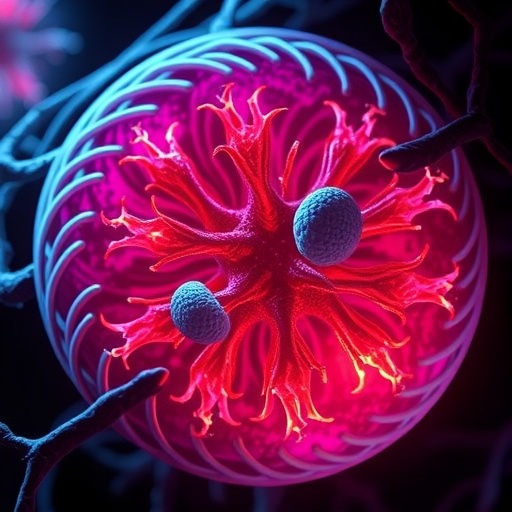
Cancer research is entering an era in which tumors are no longer viewed as isolated masses of abnormal human cells. A growing body of evidence indicates that many tumors contain complex microbial communities, including bacteria, fungi, and viruses, that can influence how cancer develops, how immune cells behave, and how patients respond to treatment. A review published in Genes & Diseases examines these “intra-tumoral microbiota” as active components of the tumor microenvironment rather than incidental contaminants or passive passengers.
The presence of microorganisms inside tumors has challenged the long-standing assumption that solid tumor tissue is sterile. Although microbial abundance can be low and difficult to measure, advances in sequencing, imaging, and contamination-control methods have revealed microbial signatures across multiple cancer types. These communities are not uniform: their composition may differ between organs, between patients with the same cancer, and even between regions of a single tumor. Such variation suggests that microbial ecosystems are shaped by local conditions, including oxygen concentration, nutrient availability, tissue damage, immune activity, and the architecture of the tumor itself.
The reviewed evidence points to several possible routes by which microorganisms reach tumor tissue. Bacteria and fungi may migrate from neighboring organs or mucosal surfaces, particularly when cancer disrupts normal tissue barriers. Other organisms can travel through the bloodstream or lymphatic system, allowing distant tumors to acquire microbes from sites elsewhere in the body. Viruses represent a distinct category because some can integrate their genetic material into host cells, alter cellular signaling, or persist inside tumors without producing an immediately visible infection. These routes of entry may help explain why microbial communities differ so strongly among tumor types.
Once established within a tumor, microorganisms can affect cancer biology through direct and indirect mechanisms. Some bacterial species produce enzymes and metabolites that alter host-cell signaling, DNA stability, or inflammatory pathways. Others may modify the availability of nutrients used by cancer cells or influence the breakdown and distribution of therapeutic drugs. Microbial products can also activate pattern-recognition receptors, including Toll-like receptors and other innate immune sensors, triggering the release of cytokines and chemokines. Depending on the context, these signals may stimulate anti-tumor immunity or create chronic inflammation that supports tumor growth.
The relationship between intra-tumoral microbes and the immune system is particularly complex. Microbial molecules can activate innate immune cells such as macrophages, dendritic cells, and neutrophils, while also influencing the recruitment and function of T lymphocytes. Some microbial communities may promote antigen presentation and strengthen cytotoxic T-cell responses against malignant cells. Others can drive immunosuppressive pathways, increase the activity of regulatory immune cells, or contribute to an environment in which exhausted T cells become less effective. Through these interactions, microorganisms can help determine whether the tumor is immunologically “hot,” with active immune surveillance, or “cold,” with limited anti-tumor activity.
Microbes may also contribute to metastasis, the process through which cancer spreads to distant organs. Inflammation caused by microbial activity can weaken tissue barriers and remodel the extracellular matrix, the protein-rich scaffold surrounding cells. Certain microbial signals may encourage blood-vessel formation or alter adhesion molecules that help tumor cells detach and migrate. At the same time, microbes can influence the formation of pre-metastatic niches—supportive environments in distant tissues that make it easier for disseminated cancer cells to survive. These effects remain an active area of investigation, but they highlight the possibility that microbial activity can influence cancer progression beyond the primary tumor.
The microbial environment may have major consequences for cancer therapy. Some bacteria have been associated with reduced responses to chemotherapy by chemically modifying drugs or activating pathways that protect cancer cells from damage. In other settings, microbial signals appear to improve the effectiveness of immunotherapies by promoting immune-cell activation and tumor-antigen recognition. The composition of the intra-tumoral microbiota could therefore become a biomarker for predicting treatment response. However, the field faces substantial technical challenges, including distinguishing genuine tumor-resident organisms from contamination, detecting low-abundance species, and determining whether a microbial signature is a cause of disease progression or simply a consequence of tumor biology.
Researchers are now exploring ways to deliberately manipulate these microbial ecosystems. Engineered bacteria could be designed to selectively enter tumors and deliver therapeutic molecules, activate local immune responses, or release enzymes that convert inactive compounds into cancer-killing drugs. Targeted antibiotics may suppress harmful microbial species, although broad treatment could also eliminate organisms that support therapeutic responses. Bacteriophages—viruses that infect bacteria—offer another possible strategy for selectively reshaping bacterial populations. Oncolytic viruses, which preferentially infect and destroy cancer cells, may be developed alongside microbial approaches to intensify inflammation and improve immune recognition of tumors.
The review presents intra-tumoral microbiota as a promising frontier in precision oncology, while emphasizing that clinical translation will require careful control of safety, specificity, and ecological balance. Future treatments may combine microbial profiling with genomic data, immune measurements, imaging, and drug-response testing to create more individualized therapeutic plans. Understanding the viruses, bacteria, and fungi living within tumors could ultimately help clinicians identify patients most likely to benefit from immunotherapy, overcome treatment resistance, and design biological therapies that remodel the tumor from within. The microscopic inhabitants of cancer tissue are increasingly being recognized not merely as observers of disease, but as influential participants—and potentially powerful allies—in the fight against cancer.
Subject of Research: Intra-tumoral microbiota and their roles in tumor immunity, cancer progression, and therapeutic response.
Article Title: “Intra-tumoral microbiota: Key modulators of tumor immunity and therapeutic potential”
Web References: https://doi.org/10.1016/j.gendis.2025.101963
References: Junju He, Hui Tan, Yanru Qiu, Yuchao Dan, Qian Wan, Lan Li, Jie Wu, Qibin Song, Hongbin Chen, Bin Xu, “Intra-tumoral microbiota: Key modulators of tumor immunity and therapeutic potential,” Genes & Diseases, Volume 13, Issue 4, 2026, Article 101963.
Image Credits: Genes & Diseases
Keywords: intra-tumoral microbiota, tumor microenvironment, cancer, tumor immunity, bacteria, fungi, viruses, immunotherapy, engineered bacteria, bacteriophages, oncolytic viruses, precision oncology, metastasis, therapeutic resistance
Tags: advances in sequencing and imaging for tumor microbiomeimpact of microbiota on cancer treatment responseimplications of intra-tumoral microbes for cancer therapyintra-tumoral microbiotamicrobial diversity within tumorsmicrobial ecosystems in tumor tissuemicrobial influence on cancer developmentmicrobial migration to tumor sitesmicrobial signatures in different cancer typesrole of microbiota in immune responsetumor microenvironmenttumor-associated bacteria and fungi