Head and neck squamous cell carcinoma (HNSCC) is among the world’s most challenging cancers, accounting for approximately 90% of malignancies arising in the mouth, throat, nose and related tissues. Often diagnosed only after it has invaded nearby structures or spread to distant organs, the disease is difficult to control with surgery, radiation and chemotherapy. Cisplatin remains a central component of treatment, yet many patients develop resistance within months. New research from Virginia Commonwealth University (VCU) suggests that blocking a multifunctional protein called MDA-9/Syntenin could attack one of the cancer’s most persistent vulnerabilities: the stem-like cells that help tumors regenerate, spread and survive treatment.
The study, published in Cancer Letters, identifies MDA-9/Syntenin—also known as syndecan-binding protein 1, or SDCBP—as a major regulator of aggressive HNSCC biology. MDA-9 is a scaffold protein, meaning that it helps organize molecular partners inside and outside cells rather than acting as a conventional enzyme. By bringing signaling proteins into the correct position, it can influence tumor-cell migration, invasion, angiogenesis and immune suppression. The VCU-led team found that MDA-9 is also important for maintaining cancer stem cells, a small but powerful population capable of renewing itself and generating new tumor cells.
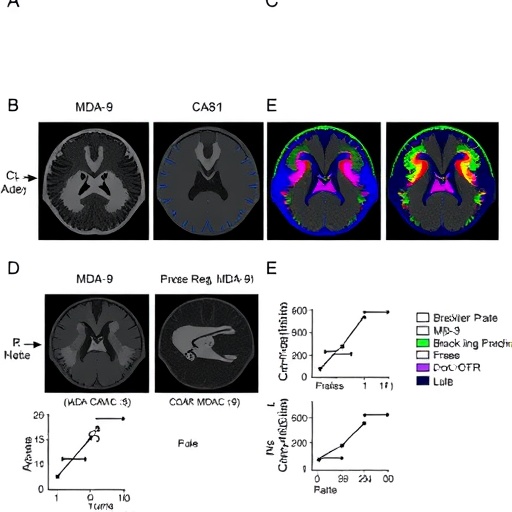
The researchers tested IVMT-Rx-4, a small-molecule inhibitor designed to interfere with MDA-9/Syntenin’s interactions with partner proteins. In preclinical models of HNSCC, the compound sharply restricted tumor growth and metastasis, in some cases leaving treated animals tumor-free. The experiments did not reveal observable toxicity, an important result because a drug that attacks tumor-promoting machinery must still preserve the functions of healthy tissues. The findings indicate that MDA-9 may be unusually suitable for therapeutic targeting because laboratory models lacking the protein have shown no obvious physiological defects while displaying increased resistance to metastatic spread.
The compound’s most important effect appeared to involve the cancer stem-cell compartment. Unlike the bulk of a tumor, cancer stem cells can remain dormant, repair damage and recreate a diverse population of malignant cells after treatment. Their persistence is one reason cancers can return after apparently successful therapy. The VCU team used molecular and functional assays to show that MDA-9 supports stem-cell properties in HNSCC and that IVMT-Rx-4 can disrupt those properties. In effect, the drug targets the regenerative core of the tumor rather than merely reducing the visible mass of cancer cells.
One molecular indicator of this effect was BMI1, a transcriptional regulator associated with stemness and tumor-maintaining capacity in HNSCC. IVMT-Rx-4 suppressed BMI1 and reduced the ability of cancer cells to form new tumor populations. This result is significant because conventional chemotherapy may eliminate rapidly dividing cells while leaving behind resistant stem-like cells. The surviving population can then repopulate the tumor and acquire additional protective features. By interfering with MDA-9-dependent signaling, IVMT-Rx-4 appeared to prevent this rebound in experimental systems.
The study also reported evidence that the inhibitor can counter cisplatin resistance. When HNSCC cells were exposed to cisplatin, the proportion of stem-like, drug-tolerant cells increased. Treatment with IVMT-Rx-4 blocked that enrichment and, in some experiments, reversed characteristics associated with an already resistant state. Combining the experimental inhibitor with standard chemotherapy therefore produced a more pronounced anticancer effect than either approach alone. Although these results remain preclinical, they raise the possibility that MDA-9 inhibition could be used alongside existing therapy to prevent resistance from emerging or to restore sensitivity after it has developed.
MDA-9’s potential importance extends beyond HNSCC. Earlier work by Paul B. Fisher and colleagues first cloned the gene and established its role in cancer progression. The protein has since been linked to multiple stages of metastasis, including the ability of tumor cells to leave a primary lesion, survive in the bloodstream, attach to distant tissues and stimulate the formation of new blood vessels. MDA-9 also contributes to an immunologically “cold” tumor microenvironment, in which immune cells are less able to recognize or destroy malignant cells. These broad functions help explain why the protein is being investigated in prostate, breast, brain and liver cancers as well as head and neck tumors.
IVMT-Rx-4 was developed by InVaMet Therapeutics, a company co-founded by Fisher, and is an intermediate synthesis product related to the earlier compound PDZ1i. According to the researchers, the newer molecule has improved water solubility, lower cellular efflux and enhanced sensitivity compared with unmodified PDZ1i, characteristics that may improve its drug-like behavior. The team is now exploring whether IVMT-Rx-4 can be formulated as an oral medicine. Additional studies will be required to determine its absorption, metabolism, dosing, long-term safety and effectiveness in larger animal models before human trials can be considered.
The work involved investigators from VCU Massey Comprehensive Cancer Center, the VCU Institute of Molecular Medicine, the VCU Center for Drug Discovery and the departments of Medicinal Chemistry and Cellular, Molecular and Genetic Medicine, along with collaborators at Cornell University and Virginia Tech. Senior author Paul B. Fisher said the research identifies a direct drug target and establishes IVMT-Rx-4 as a promising chemical probe for developing new cancer treatments. Jiong Li, the study’s co-corresponding author, emphasized that metastatic head and neck cancer remains extremely difficult to manage and that therapies capable of preventing spread and overcoming resistance are urgently needed.
The findings do not yet demonstrate that IVMT-Rx-4 can cure patients, and no FDA-approved treatment currently eliminates all cancer stem cells. However, the results offer a mechanistic explanation for how a single molecular target might affect tumor growth, metastasis, stem-cell maintenance and chemotherapy resistance at the same time. If future studies confirm the compound’s safety and therapeutic activity, MDA-9/Syntenin inhibition could become a new strategy for treating aggressive HNSCC and potentially other cancers driven by the same metastatic and drug-resistant pathways.
Subject of Research: MDA-9/Syntenin inhibition, cancer stem cells, metastasis and chemotherapy resistance in head and neck squamous cell carcinoma
Article Title: Targeting MDA-9/syntenin-1 (SDCBP) as a strategy to eliminate head and neck squamous cell carcinoma stem cells
News Publication Date: 27 June 2026
Web References: https://www.sciencedirect.com/science/article/pii/S0304383526004568?via%3Dihub; https://www.masseycancercenter.org/news/2026/innovative-targeted-therapy-halts-prostate-cancer-spread-to-the-bone/; https://www.masseycancercenter.org/news/massey-scientists-awarded-r01-to-investigate-treatment-options-for-advanced-prostate-cancer/
References: Cancer Letters, DOI: 10.1016/j.canlet.2026.218692
Image Credits: VCU
Keywords: Head and neck cancer, head and neck squamous cell carcinoma, HNSCC, MDA-9, Syntenin, SDCBP, IVMT-Rx-4, cancer stem cells, chemotherapy resistance, cisplatin, metastasis, targeted cancer therapy, small-molecule inhibitors
Tags: cancer stem cell regulationhead and neck squamous cell carcinomaimmune suppression in head and neck tumorsMDA-9/Syntenin protein targetingmolecular mechanisms of tumor invasionovercoming chemotherapy resistancerole of scaffold proteins in cancer progressionsmall-molecule inhibitors for cancer therapytargeted therapy development for head and neck cancerstreatment resistance in head and neck cancerstumor metastasis suppression strategiestumor microenvironment modulation