• HOME
  • NEWS
  • EXPLORE
    • CAREER
      • Companies
      • Jobs
    • EVENTS
    • iGEM
      • News
      • Team
    • PHOTOS
    • VIDEO
    • WIKI
  • BLOG
  • COMMUNITY
    • FACEBOOK
    • INSTAGRAM
    • TWITTER
Sunday, June 28, 2026
BIOENGINEER.ORG
No Result
View All Result
  • Login
  • HOME
  • NEWS
  • EXPLORE
    • CAREER
      • Companies
      • Jobs
        • Lecturer
        • PhD Studentship
        • Postdoc
        • Research Assistant
    • EVENTS
    • iGEM
      • News
      • Team
    • PHOTOS
    • VIDEO
    • WIKI
  • BLOG
  • COMMUNITY
    • FACEBOOK
    • INSTAGRAM
    • TWITTER
  • HOME
  • NEWS
  • EXPLORE
    • CAREER
      • Companies
      • Jobs
        • Lecturer
        • PhD Studentship
        • Postdoc
        • Research Assistant
    • EVENTS
    • iGEM
      • News
      • Team
    • PHOTOS
    • VIDEO
    • WIKI
  • BLOG
  • COMMUNITY
    • FACEBOOK
    • INSTAGRAM
    • TWITTER
No Result
View All Result
Bioengineer.org
No Result
View All Result
Home NEWS Science News Biology

Tooth be told: Earless seals existed in ancient Australia

Bioengineer by Bioengineer
April 3, 2020
in Biology
Reading Time: 3 mins read
0
IMAGE
Share on FacebookShare on TwitterShare on LinkedinShare on RedditShare on Telegram

IMAGE

Credit: James Rule

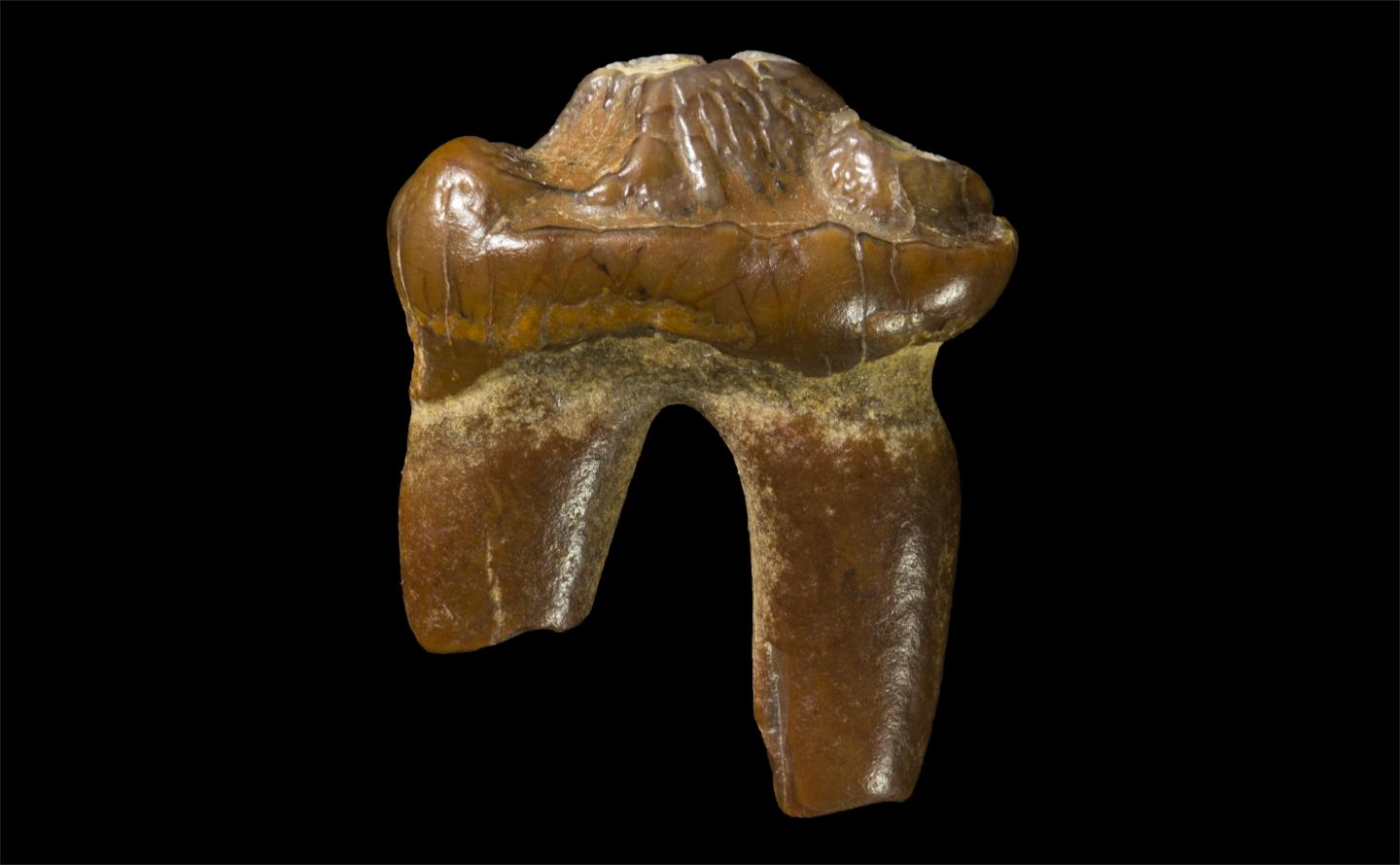
A fossilised seal tooth found on a Victorian beach could hold the key to uncovering the history and geography of earless seals that graced Australia’s shores three million years ago.

This prehistoric specimen is only the second earless seal fossil ever discovered in Australia, and proves the country’s local fur seals and sea lions were preceded by a group of sea mammals, known as monachines, now long extinct in Australia.

The study also highlights the current dangers of climate change to Earth’s existing wildlife, with falling sea levels likely to have played a role in the extinction of these ancient seals.

The history of this rare specimen was published today (Friday 3 April) in the Journal of Vertebrate Paleontology by a team of scientists from Monash University’s School of Biological Sciences and Department of Anatomy and Developmental Biology, and Museums Victoria, led by PhD candidate James Rule.

“This tooth, roughly three million years old, tells a story similar to what occurred in South Africa and South America in the past. Earless monachine seals used to dominate southern beaches and waters, and then suddenly disappeared, with eared seals replacing them,” Mr Rule said.

“Since seal fossils are rare globally, this discovery makes a vital contribution to our understanding of this iconic group of sea mammals.”

An Australian citizen scientist and amateur fossil collector discovered the tooth while strolling along the beach at Portland, western Victoria.

But it wasn’t until he donated the fossil to Museums Victoria many years later that it was found to have been a tooth from an extinct group of earless seals.

The research team compared the tooth to other pinnipeds – a group that includes earless seals, fur seals, sea lions and the walrus.

They found the tooth possessed characteristics of monachines and shed light on how these seals lived and what they ate.

“This seal lived in shallow waters close to the shore, likely hunting fish and squid. As monachines cannot use their limbs to walk on land, it would have required flat, sandy beaches when it came ashore to rest,” Mr Rule said.

Researchers believe drastic changes in the Earth’s climate fundamentally altered Australia’s environment by eliminating the beaches used by earless seals to rest.

“These changes in the past have led to the extinction of Australia’s ancient earless seals,” Dr David Hocking, co-author and Research Fellow in Monash University’s School of Biological Sciences, said.

“Our living fur seals and sea lions will likely face similar challenges as the Earth continues to warm, with melting polar ice leading to rising sea levels.

“Over time, this may lead to the eventual loss of islands that these species currently rely upon to rest and raise their young.”

###

The study, titled ‘Pliocene monachine seal from Australia constrains timing of pinniped turnover in the Southern Hemisphere’, was authored by: James Rule and Dr David Hocking (Monash University), and Dr Erich Fitzgerald (Museums Victoria).

To download a copy of the paper, please visit https://doi.org/10.1080/02724634.2019.1734015

To watch a clip of James Rule discussing his research, please visit https://drive.google.com/file/d/1-bs0mdRS3RApHxjuDxHnqXhcK0nhTTiO/view?usp=sharing

MEDIA ENQUIRIES

Monash University

T: +61 3 9903 4840 E: [email protected]

For more Monash media stories, visit our news and events site

Media Contact
Leigh Dawson
[email protected]

Related Journal Article

http://dx.doi.org/10.1080/02724634.2019.1734015

Tags: ArchaeologyClimate ChangeEarth ScienceEvolutionMarine/Freshwater BiologyOceanographyOld WorldPaleontology
Share14Tweet9Share2ShareShareShare2

Related Posts

Natural Hallucinogens: Evolution’s Ecological Tools, Not Mere Chemical Byproducts

June 25, 2026

This Famous Butterfly Revealed: Three Distinct Species Hidden in One

June 25, 2026

Scientists Attack Soybean Cyst Nematode by Starving Its Food Source

June 25, 2026

Decoding the Secret Code of a Crucial Immune Sensor

June 24, 2026
Please login to join discussion

POPULAR NEWS

  • Saying Goodbye to PGY-6: Pediatric Fellowship Realities

    103 shares
    Share 41 Tweet 26
  • Multi-Hospital Study Reveals Long Covid Burden Is Twice as High as Current Estimates

    92 shares
    Share 36 Tweet 23
  • Detection of EDCs in Breast Milk and Infant Urine Up to Six Months Highlights Early Exposure Risks

    77 shares
    Share 31 Tweet 19
  • New Drug Candidate Developed at McMaster Shows Potential for Treating Brain Cancer

    58 shares
    Share 23 Tweet 15

About

We bring you the latest biotechnology news from best research centers and universities around the world. Check our website.

Follow us

Recent News

Tracking Lanthanide-Labeled Microplastics in Plants

POSTECH Researchers Slash Cost of Reconstituted Cell-Free Systems by 95%

AI and Physics Collaborate to Design Advanced Hydrogen Storage Materials

Subscribe to Blog via Email

Success! An email was just sent to confirm your subscription. Please find the email now and click 'Confirm' to start subscribing.

Join 82 other subscribers
  • Contact Us

Bioengineer.org © Copyright 2023 All Rights Reserved.

Welcome Back!

Login to your account below

Forgotten Password?

Retrieve your password

Please enter your username or email address to reset your password.

Log In
No Result
View All Result
  • Homepages
    • Home Page 1
    • Home Page 2
  • News
  • National
  • Business
  • Health
  • Lifestyle
  • Science

Bioengineer.org © Copyright 2023 All Rights Reserved.