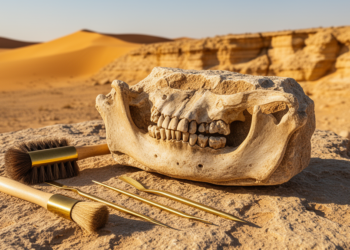
Arabian Fossil Reveals Earliest Known Relative of Ancient Giant Civet Lineage
Paleontologists in Abu Dhabi have discovered a seven-million-year-old viverrid jaw that documents intercontinental carnivoran dispersal between Asia and Africa.
Paleontologists in Abu Dhabi have discovered a seven-million-year-old viverrid jaw that documents intercontinental carnivoran dispersal between Asia and Africa.

Paleontologists have described the first fossil puppet beetle species from the lowermost Eocene Oise amber of France, establishing an earlier ...
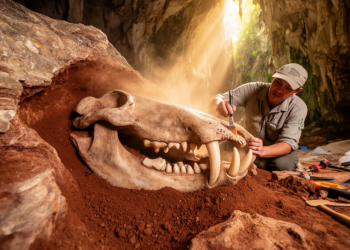
Fossils of a giant rodent discovered in Thailand suggest large rodents evolved earlier and more widely than previously thought.
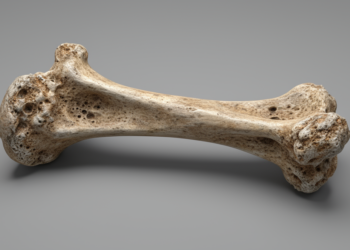
A functional analysis of fossil hindlimbs from Spain reveals that the primitive sabre-toothed felid Promegantereon ogygia retained ancestral locomotor traits ...
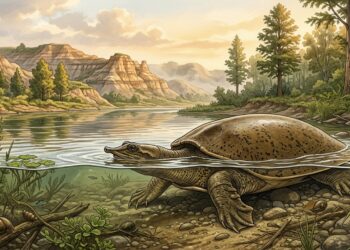
A nearly complete skull and three shells from North Dakota's Oligocene Brule Formation document Rafetus lysoni, the first valid softshell ...
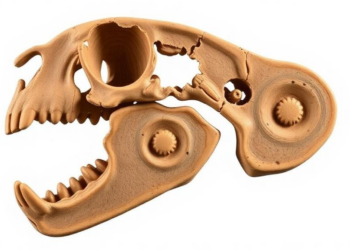
New micro-CT evidence from the Early Cretaceous eutherian Cokotherium reveals a vestigial ossified Meckelian cartilage likely disconnected from the middle ...
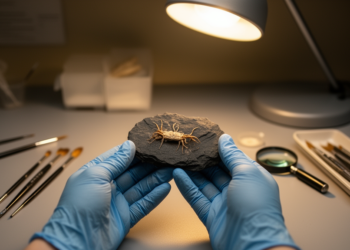
Two nearly complete fossil mouthparts from Morocco's Fezouata Shale are identified as hurdiid radiodont oral cones and reveal possible reinforced ...
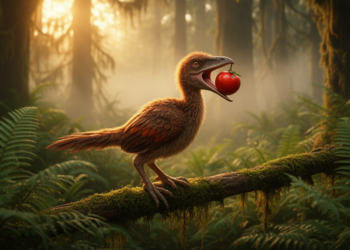
A newly identified Hell Creek oviraptorosaur, Infernogallus jamesi, shows chewing adaptations seen today only in fruit-eating parrots, making it the ...
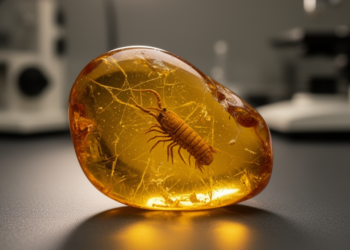
A newly described crustacean, Tanaidaurum kachinensis, preserved in 100-million-year-old Kachin amber from Myanmar is the first Cretaceous tanaidacean recorded outside ...
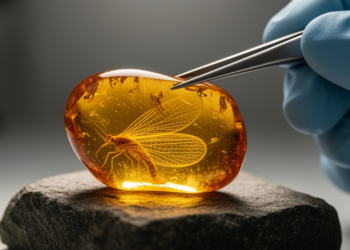
A new genus and species of Nevrorthidae has been described from a single female preserved in mid-Cretaceous Kachin amber, only ...
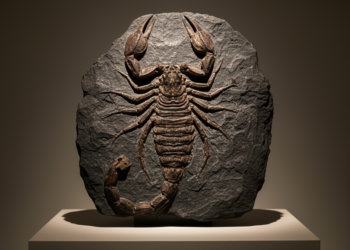
A groundbreaking discovery from the Pennsylvanian Pottsville Formation in Alabama, USA, has yielded the oldest known North American orthostern scorpion, ...
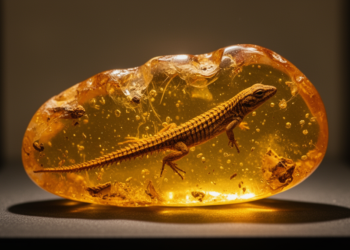
A lizard tail preserved in 99-million-year-old amber from northern Myanmar provides the best-preserved direct fossil evidence of voluntary tail-shedding, a ...
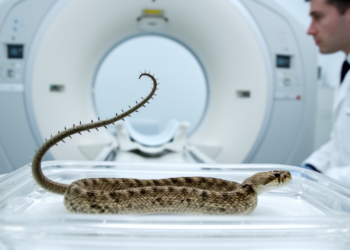
A computed tomography study of one preserved spider-tailed horned viper found that the vertebrae supporting its bird-luring tail tip are ...
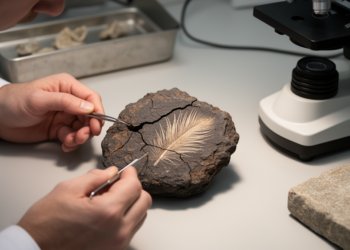
A peer-reviewed analysis of a 66-million-year-old dinosaur coprolite identified the first known hesperornithiform feathers and proposed that their primitive body ...
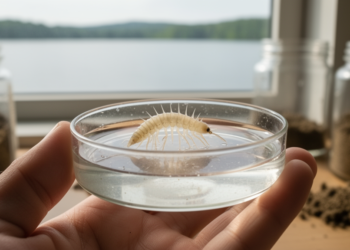
A taxonomic study describes Limnocythere curvispinosa sp. nov. from living specimens in Fuxian Lake and Holocene fossil valves in Yangzong ...
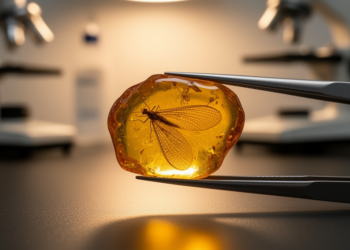
A fossil study describing two new Kachin amber lacewings expands the known Babinskaiidae record to 24 species and documents varied ...

Four newly described stag beetle fossils from mid-Cretaceous Kachin amber in northern Myanmar include three species measuring under three millimeters, ...
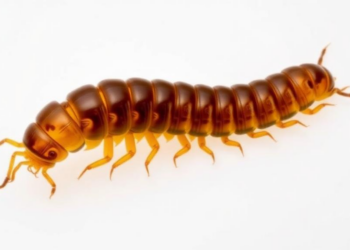
A 98-million-year-old millipede preserved in Myanmar amber has been identified as the first fossil member of the rare sucking millipede ...
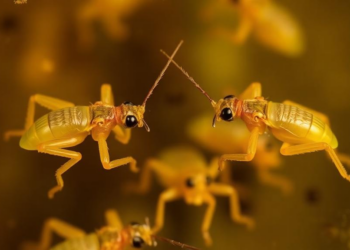
Two new genera and species of Tridactyloidea from mid-Cretaceous Burmese amber include one new ripipterygid and one puzzling fossil with ...
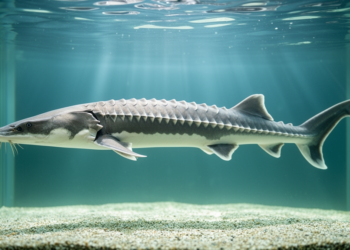
A new Nature study using sturgeon backbones as material analogues shows that the first land vertebrates had far stiffer, less ...