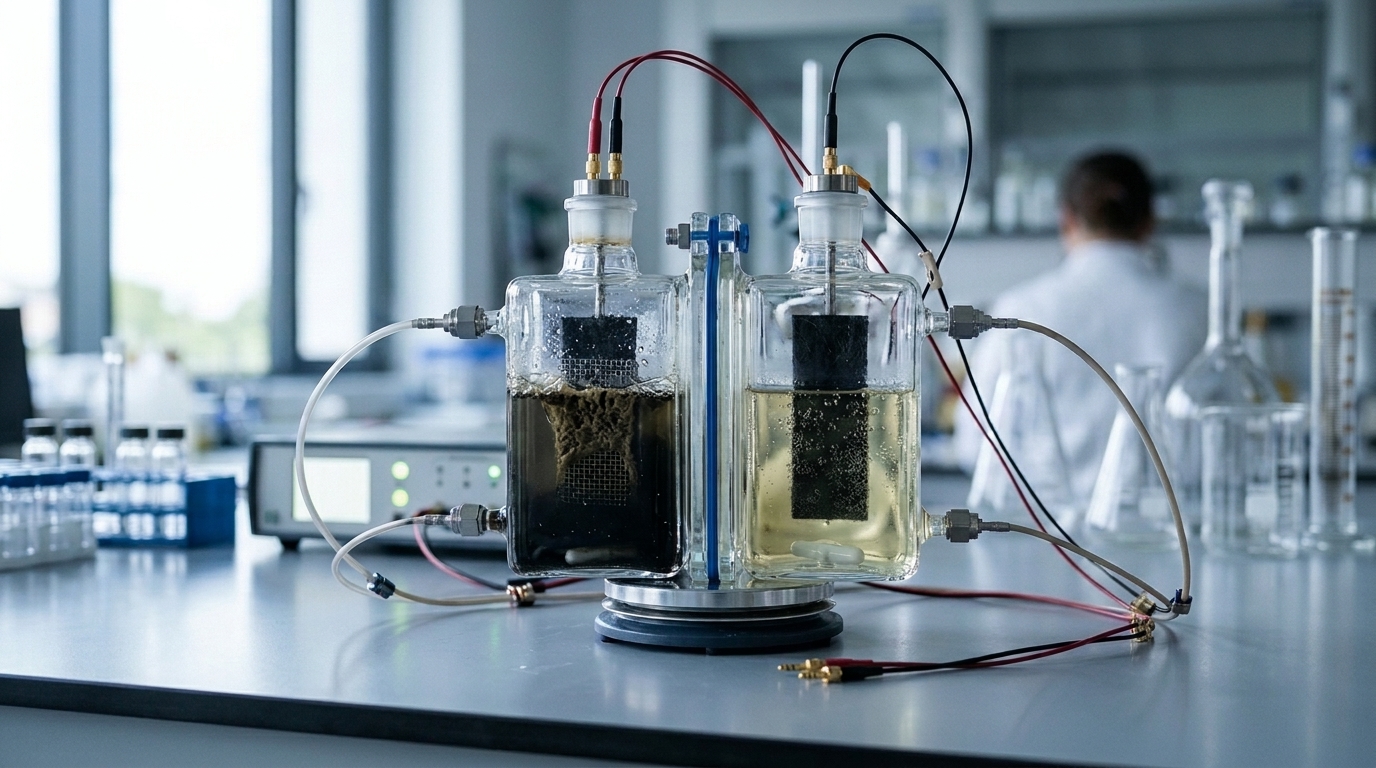
Microbial fuel cells get a statistical tune-up for cleaner wastewater and more power
A multi-criteria statistical framework identified the best kinetic models for substrate inhibition in ceramic microbial fuel cells, defining operating windows ...
A multi-criteria statistical framework identified the best kinetic models for substrate inhibition in ceramic microbial fuel cells, defining operating windows ...
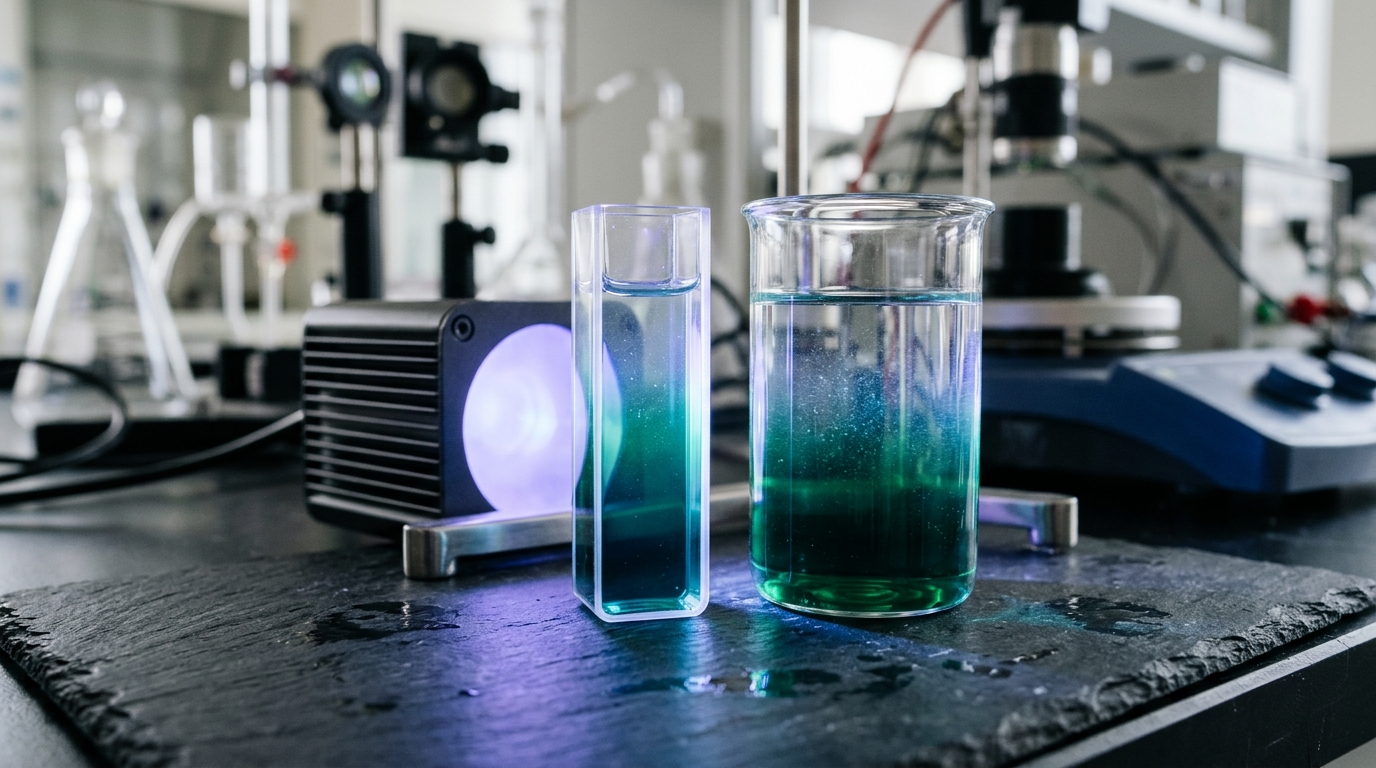
A triple-layered ZnO-SiO2@Ag nanohybrid achieved almost 98 percent degradation of methylene blue and 97 percent of malachite green under UV ...
A magnetically recoverable carbon nitride–iron oxide photocatalyst removed 91.25 percent of rhodamine B under visible light at near-neutral pH, with ...

Machine learning can predict the dynamic alpha-zero factor governing wastewater aeration efficiency with high accuracy on random data splits, but ...

A new review argues that India's water scarcity is intensified by deteriorating water quality and hidden virtual water flows, not ...
A validated simulation-and-optimization study reports that a heat pump assisted low-temperature belt dryer cut sludge drying energy to as low ...

A new study finds that cold-stressed microalgae remove over 90 percent of tetracycline from water while accumulating lipids at up ...

Researchers report that the bacterium Serratia liquefaciens degraded kraft lignin by 53 percent in 120 hours and reduced its phytotoxicity ...

A new review details how microbial exopolysaccharides boost microbial fuel cell power output, bind heavy metals, and enable green nanomaterials, ...
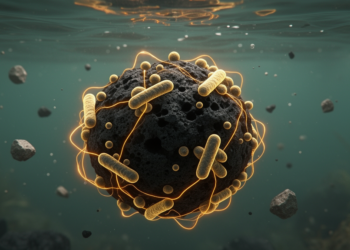
A new review proposes three mechanisms by which biochar may act as an electron bridge to enhance anammox-based nitrogen removal ...

A new review proposes the CLEAN framework—Cut, Lock, Extract, Amend, Network—as a prevention-driven One Health roadmap for managing microplastic pollution ...
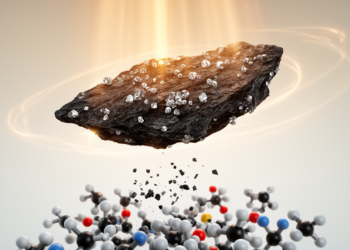
A co-precipitated Fe-AC/AgI photocatalyst degraded about 89.77% of tetracycline under visible light and retained activity over reuse cycles.
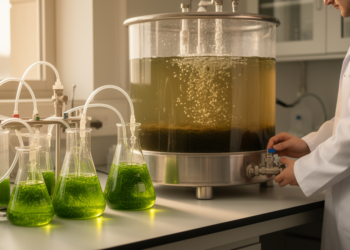
A new review argues that kinetic modelling of Chlorella growth, pollutant removal, and product formation is the key to scaling ...
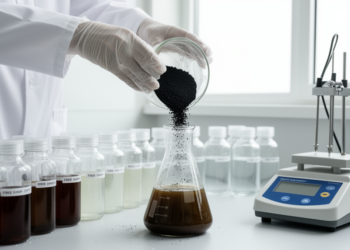
A batch adsorption study reports that a locally engineered powdered activated carbon removed 69.4% of COD and 73.7% of BOD5 ...
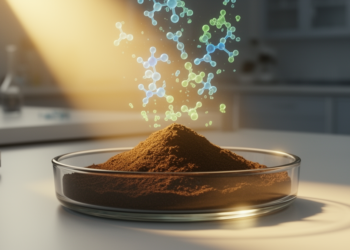
A ZnO-doped TiO2/carbon nanocomposite made from vegetable-tanned leather waste degraded up to 97 percent of two pharmaceutical pollutants under natural ...
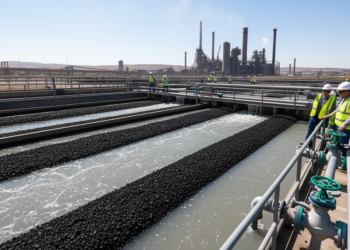
Biochar produced from chicken manure in a 15-ton-per-day pyrolysis system removed 97.3% of zinc from real smelter wastewater in experiments.

Spawn-based pellets of the white-rot fungus Pleurotus ostreatus removed more than half of several antibiotics from wastewater within minutes, with ...
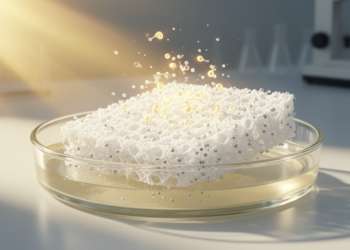
A cellulose nanocrystal-supported TiO2 nanocomposite degraded about 98.6% of the antibiotic ofloxacin under direct sunlight in laboratory tests, driven mainly ...
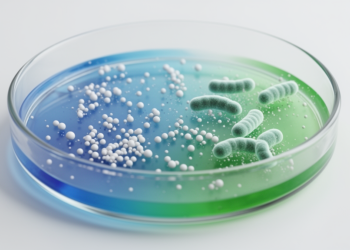
Green-synthesized magnesium oxide nanoparticles from Ecbolium ligustrinum extract degraded methylene blue and basic fuchsin under sunlight and inhibited two bacterial ...

Researchers created multiphase strontium, magnesium, and barium oxide-carbon nanocomposites that adsorb malachite green with capacities up to 371.75 mg/g and ...